
Introduction
At a recent Replicator Summit, two Navy Admirals passionately emphasized the importance of truly understanding life on a ship for our warfighters. They strongly recommended that everyone serving our Navy warfighters take the plunge and go underway. Despite my over twenty years of experience in the field, I felt a twinge of embarrassment—I had never been underway on an active ship. Sure, I had toured ships now serving as museums, but this was different. This was the real deal.
Throughout my career, I've been deeply involved in connecting with users, visiting various sites to better understand their needs. But until now, the Navy had remained a distant entity. For over a decade, I've been an ardent advocate of user-centered design, lean principles, and agile mindsets. These methodologies emphasize developing empathy for users, aiming to build products that genuinely assist them. We strive to break free from the bureaucratic confines of rigid policies, standards, and systems that can stifle innovation and productivity. Our mission is to "meet users where they are," respecting their time, minimizing intrusion, using language they understand, and ensuring they never feel overlooked or inadequate.
The Scientist to Sea program is a kindred spirit in many ways, focusing on building empathy. But this adventure had a unique twist. We weren't there to tweak the systems we design for them. In fact, we didn't even know which ship we'd be on until we arrived at the pier—hooray for OPSEC! Our goal was to observe, shadow, and learn from the crew, immersing ourselves in their world to gain a deeper understanding of naval operations. This experience was designed to help us identify areas for technological and procedural improvements to better support our warfighters. It's crucial for every Navy civilian scientist and engineer to understand firsthand how our warfighters live and work aboard a ship—their mission-specific tasks, desired outcomes, challenges, constraints, and frustrations.
There are similar initiatives within the Navy, such as the Data Scientist at Sea program and exercises like Trident Warrior and RIMPAC, which provide opportunities to go underway. These programs are essential for fostering a deeper connection with the operational environment of our sailors.
In the rest of this blog post, I'll take you on a journey through my time on the USS Germantown. We'll explore the selection process for going underway, the realities of life aboard the ship, the operations and tours I witnessed, and, of course, some highlights from my adventures in San Diego. So, come aboard and join me as we dive into the life and operations of the USS Germantown—it's a story you won't want to miss!
Nomination and Preparation
Shortly after the Replicator Summit, inspired by the Admirals' recommendation, I began exploring options and discovered the Scientist to Sea initiative. It felt like the perfect opportunity. I joined the MS Teams channel and monitored the Hub page for updates. Surprisingly, within a week, there was a notification about an upcoming tour. Excitedly, I spoke with my project team and decided to complete the nomination forms, securing supervisor approval and funding quickly. In no time, I received the good news—I was accepted!
The next steps came in a whirlwind of detailed documents, briefings, and forms. I completed the medical form, which included a short questionnaire about my health, blood type, last tetanus shot, medications, and any health issues. This was later approved by the ship's doctor. Additionally, I provided a short mini-bio for the ship crew's reference and for the selectees to familiarize themselves with each other. Lastly, I submitted a clearance visit request certification. This all happened within a mere two weeks—remarkably swift for the DoD!
One of the detailed messages I received during this time was a checklist of items we should bring. Unfortunately, I didn't have many of these items, like safety boots and durable work pants, so I had to go shopping. REI and Duluth had some great Memorial Day sales, and luckily, work covered the cost of the safety boots. It felt like gearing up for an adventure, and in many ways, it was!
Booking travel, however, was not so easy, especially with the Defense Travel System (DTS), affectionately known as the "Don't Travel System" due to its rigorous and often perplexing requirements. To add to the complexity, all travelers were told that flexibility was key—ship schedules can change, and change they did, almost daily! Semper Gumby, as they say!
I stayed at the Navy Gateway Inn and Suites on the Naval Base San Diego. I wouldn't recommend it—getting on and off base without a rental car was challenging, but I managed. We had designated muster locations both off-base and on-base. Eventually, I was picked up and escorted to the ship, where we learned we would be boarding the USS Germantown (LSD 42). The excitement was palpable as we prepared to embark on this unique journey.
USS Germantown (LSD 42)
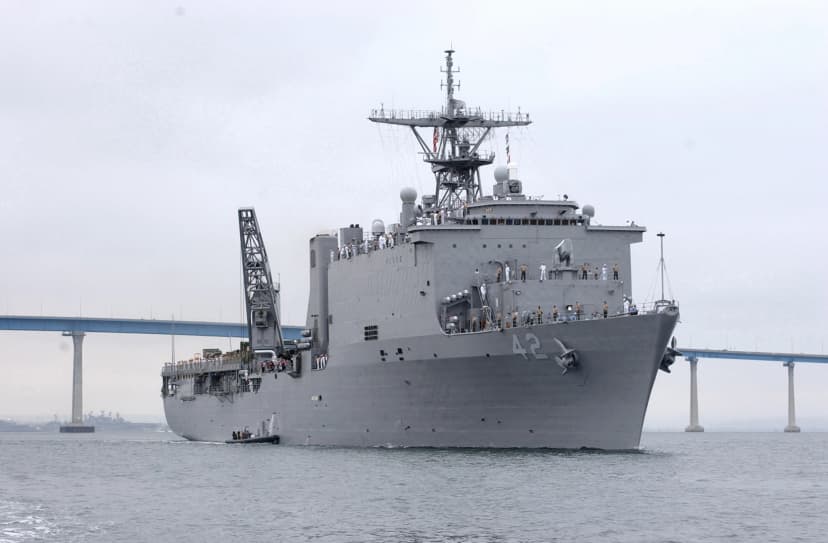
The USS Germantown (LSD 42) is a Whidbey Island-class dock landing ship, commissioned in 1986. Named after the Revolutionary War Battle of Germantown, this ship has a storied history of supporting amphibious operations. Designed to transport and launch amphibious craft and vehicles with their crews and embarked personnel, the Germantown is a versatile asset in the Navy's fleet. With a displacement of over 16,000 tons and a length of 610 feet, it is equipped to handle various missions, including humanitarian assistance and disaster relief, as well as combat operations.
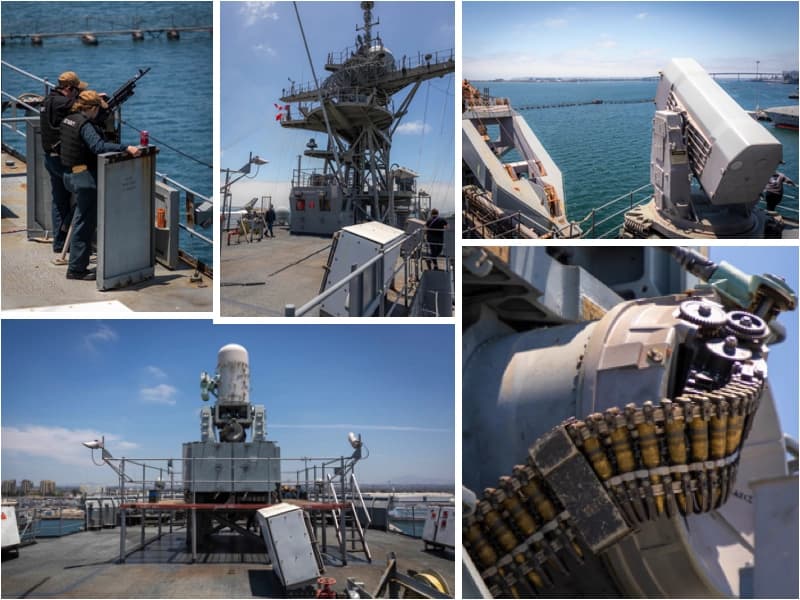
The ship is primarily armed with defensive weaponry, including the Close-In Weapon System (CIWS) and Rolling Airframe Missiles (RAMs), which provide robust protection against incoming threats. Despite its age, the Germantown remains a critical component of the Navy's amphibious capabilities, continually adapting to new challenges and mission requirements.
CO and XO Details
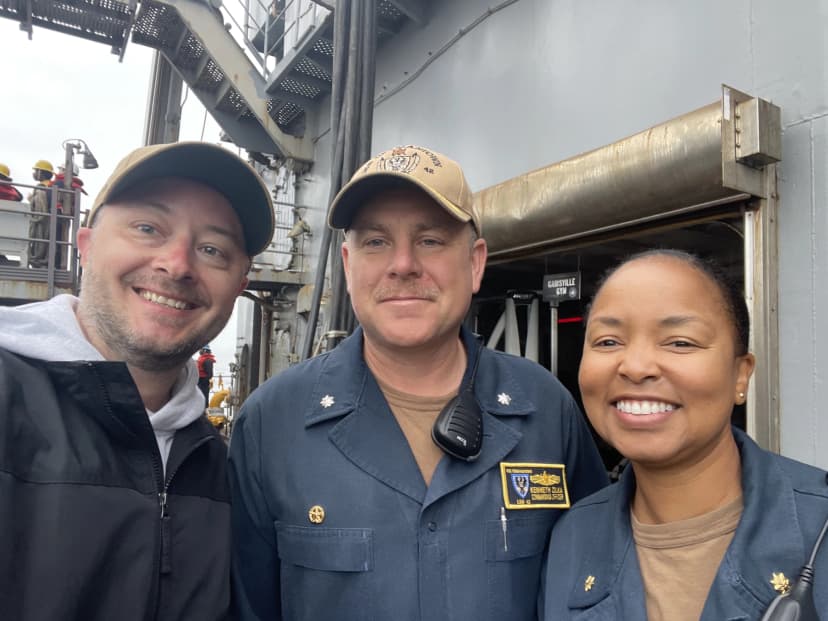
Commander Kenneth W. Zilka, the current Commanding Officer (CO) of the USS Germantown, brings a wealth of experience and leadership to the ship. Hailing from Buffalo, Ohio, CDR Zilka began his naval career in July 1992 and commissioned through the Seaman to Admiral Program. He holds degrees from Jacksonville University and the U.S. Naval War College. His distinguished service includes sea tours on multiple ships, such as USS Vicksburg (CG 69) and USS Samuel B. Roberts (FFG 58), and shore assignments like Officer in Charge at the Center for Security Forces Learning Site in Mayport. He has earned numerous personal and unit awards, reflecting his commitment to excellence. CDR Zilka's leadership is characterized by a commitment to operational excellence and the well-being of his crew.
While aboard the USS Germantown, I noticed that the crew universally referred to Commander Kenneth W. Zilka as "Captain." This customary practice underscores the respect and authority afforded to the Commanding Officer, regardless of his official rank.
Lieutenant Commander Carla K. Salazar, the Executive Officer (XO) of the USS Germantown, hails from Dallas, Texas. She earned a Bachelor of Science in Business Management from Arizona State University in 2004 and was commissioned through Officer Candidate School in March 2009. Her sea tours include roles as Electrical Officer on USS New Orleans (LPD 18), Training Officer on USS Wayne E. Meyer (DDG 108), and Plans and Tactics Officer on both USS Stockdale (DDG 106) and USS Anchorage (LPD 23). Ashore, she served at Commander, U.S. Surface Forces, Pacific, and the Naval Surface and Mine Warfighting Development Center, and was a Rim of the Pacific 2020 Exercise Planner on the U.S. Third Fleet staff. LCDR Salazar also earned an MBA in Human Resources from National University. LCDR Salazar's leadership is marked by her operational expertise and dedication to fostering a collaborative and efficient command environment.
These leaders, with their extensive backgrounds and commitment to their ship and crew, ensure that the USS Germantown continues to fulfill its mission effectively and adapt to the evolving needs of naval operations.
Scientists to Sea Group
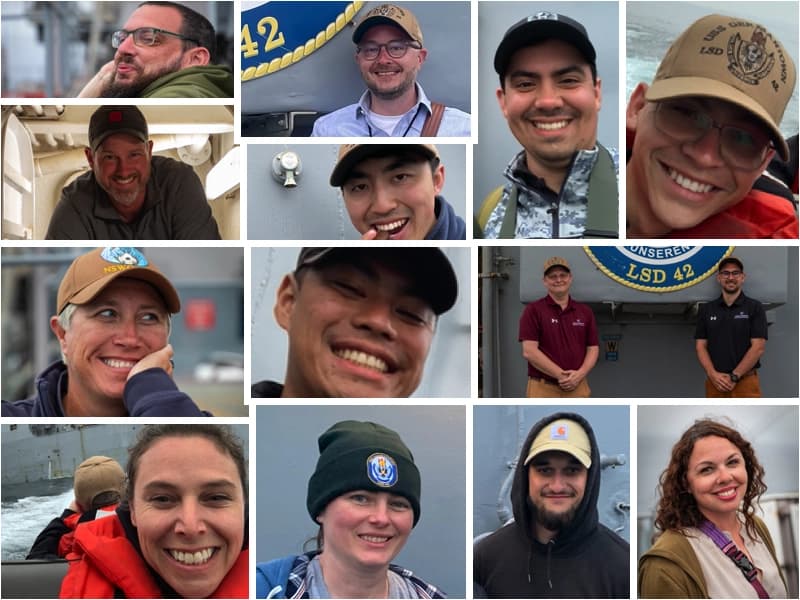
Our Scientist to Sea group was a fascinating mix of professionals from various Navy locations across the United States. This included actual rocket scientists from the Johns Hopkins University Applied Physics Laboratory, four scientists from the Naval Information Warfare Center - Pacific (NIWC-PAC) (including myself), as well as colleagues from the Naval Undersea Warfare Center (NUWC) Division Keyport, NUWC Division Newport, and the Naval Surface Warfare Center (NSWC) Division Panama City. Meeting these folks was like stepping into a melting pot of intellectual curiosity and adventurous spirit.
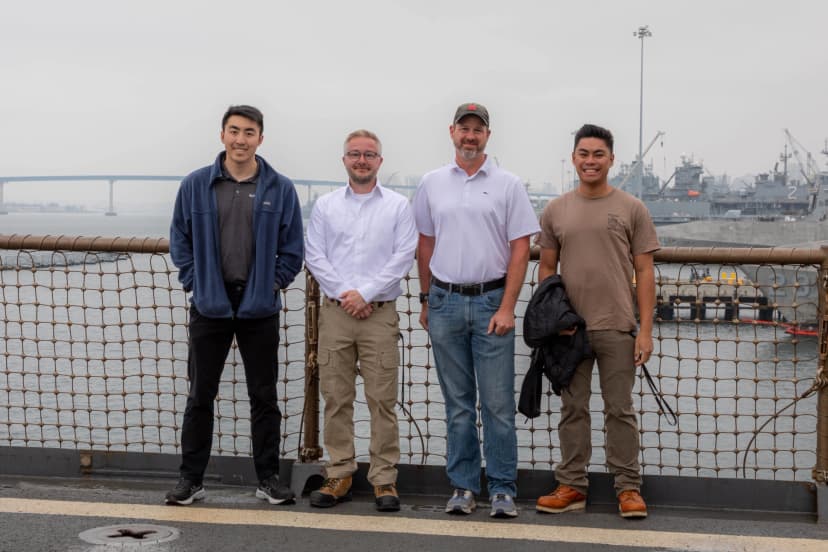
From the moment we gathered, it was clear we all had one thing in common—a strong sense of exploration and adventure. Despite our varied backgrounds and expertise, we quickly bonded over shared excitement and mutual respect. This top-notch group felt like a family by the end of our journey, and our group chat has continued to buzz with updates and reminiscences long after the trip ended.
Throughout our time together, we shared work experiences, life situations, and the incredible adventure of touring the USS Germantown. We also soaked in the vibrant culture of San Diego, forging connections that went beyond professional boundaries. This experience was more than just a tour; it was a journey that brought us closer and enriched our perspectives.
Underway
Our Scientist to Sea adventure truly began with our introduction to the underway process. The USS Germantown was set to embark on a mission to recertify its capabilities, a vital step to ensure its readiness for future operations.
It can be hard to get her started but once underway she's good.
Commander Kenneth W. Zilka, referencing the USS Germantown
Our initial day on the ship was a flurry of activity and excitement, despite an unexpected delay due to an engineering casualty and navigation issues. The crew worked diligently on repairs, showcasing their expertise and dedication. By the second day, we were ready to get underway. We watched in awe as the crew pulled the anchor and tugs escorted us out of the marina, marking the true beginning of our sea adventure.
When pulling anchor, if you start seeing colors on the anchor chain, it indicates that the ship is moving and the anchor chain is under tension. Make sure to stay clear of the area to avoid any potential hazards. For those working on deck, the colors of the anchor chain will become as familiar as the colors of the rainbow. But if you're not often leaning over the bow, here's the lowdown: Colors on an anchor chain are a basic convention used to determine how much chain has been paid out. If you start seeing colors on the anchor chain when pulling anchor... run!
Before we embarked, we registered any devices we planned to plug into the ship's electrical system to ensure safety, as the ship isn't grounded like typical land-based facilities. We also received a detailed briefing covering everything from using supplied toilet paper only to emergency procedures like abandon ship drills and Emission Control (EMCON) Delta protocols.
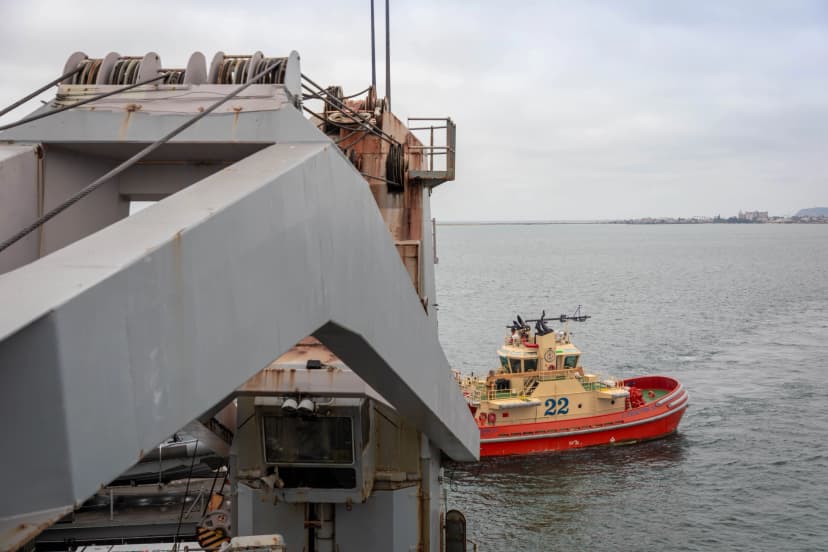
As we finally got underway, the sense of anticipation and excitement was palpable. We began exploring the ship, getting an up-close look at various operations, from the bustling Combat Information Center (CIC) to the impressive defensive weaponry. The crew's professionalism and camaraderie were evident in every interaction, giving us a deeper appreciation for their daily lives and duties.
Life aboard the Germantown was a blend of tradition and adaptation. Berthing arrangements were tight but functional, and the dining experience, or messing, provided much-needed energy for our busy days. The ship's store offered a variety of merchandise, from practical items to mementos, allowing us to take a piece of the journey home.
Despite the excitement, we were reminded of the harsh realities of life at sea. Most of us managed to avoid seasickness, thanks in part to some receiving three-day patches provided by medical. However, dehydration was a constant concern, and we quickly learned the importance of wearing sunscreen—many of us ended up with sunburns on the first day.
The adventure had begun in earnest, and we were eager to witness and learn from the operations and the incredible crew of the USS Germantown.
Ship Tours
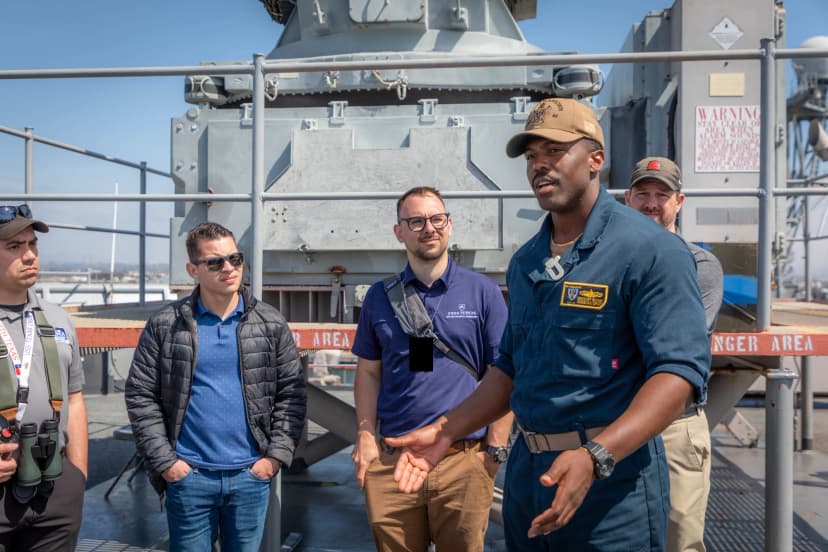
Our first real introduction to the USS Germantown came through LT Gregory Bryant, an Operations Officer and our main point of contact. With a friendly demeanor and a wealth of knowledge, he guided us through our first challenge: climbing the "Stairway to Heaven." This series of steep ladders, seemingly endless and reaching towards the heavens, had us all ascending with full gear to our berthing areas, located in what is referred to as "the box."
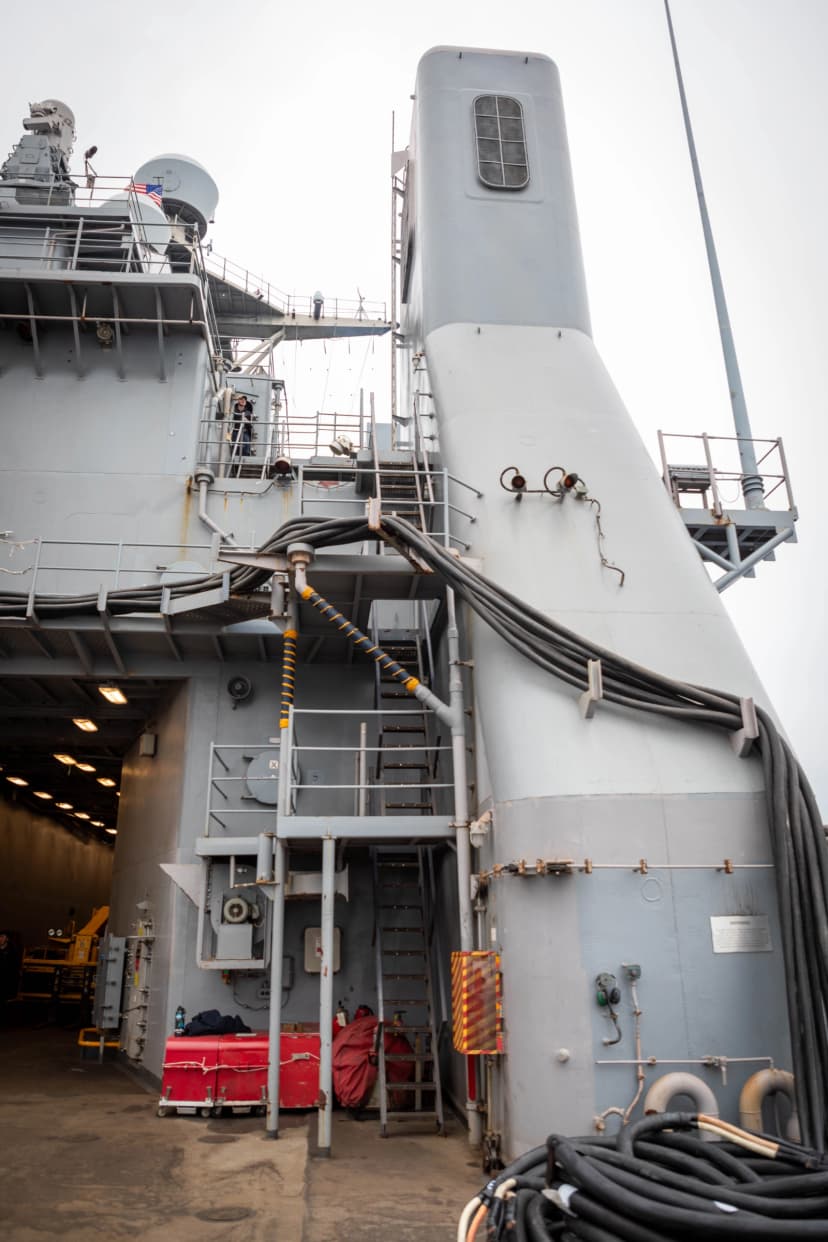
The box is a section of the ship that includes various critical operational areas, including the Combat Information Center (CIC) and other essential spaces. It's designed for efficiency and accessibility, ensuring that key parts of the ship are easily reachable. Navigating the ship's inner box, with its U shape, actually helped us mentally visualize and understand the layout better.
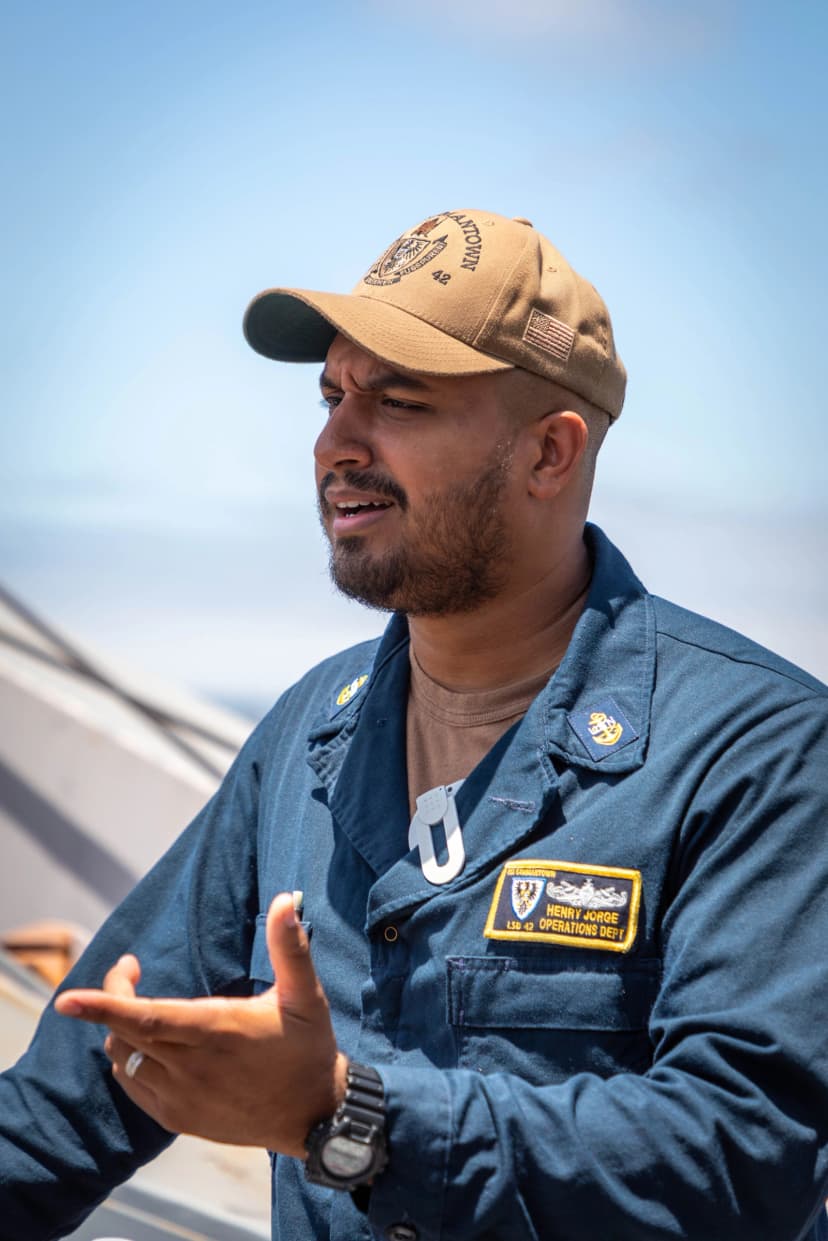
Our next encounter was with CPO Henry Jorge from operations. A seasoned sailor with a wealth of stories, he spoke with multiple members on the decks and took a large group of us into the small but historic CIC. Due to the classified nature of the CIC, I can't delve into specifics, but I found it fascinating. The older versions of software and systems were immediately noticeable, and it was clear that upgrades were overdue. The CIC warfighters preferred dark mode, often using screen dimmer sheets to adapt outdated, bright applications to their low-light environment. The manual intensity of operations, like the maneuvering board and link tracks, highlighted significant areas for potential automation and system improvements.
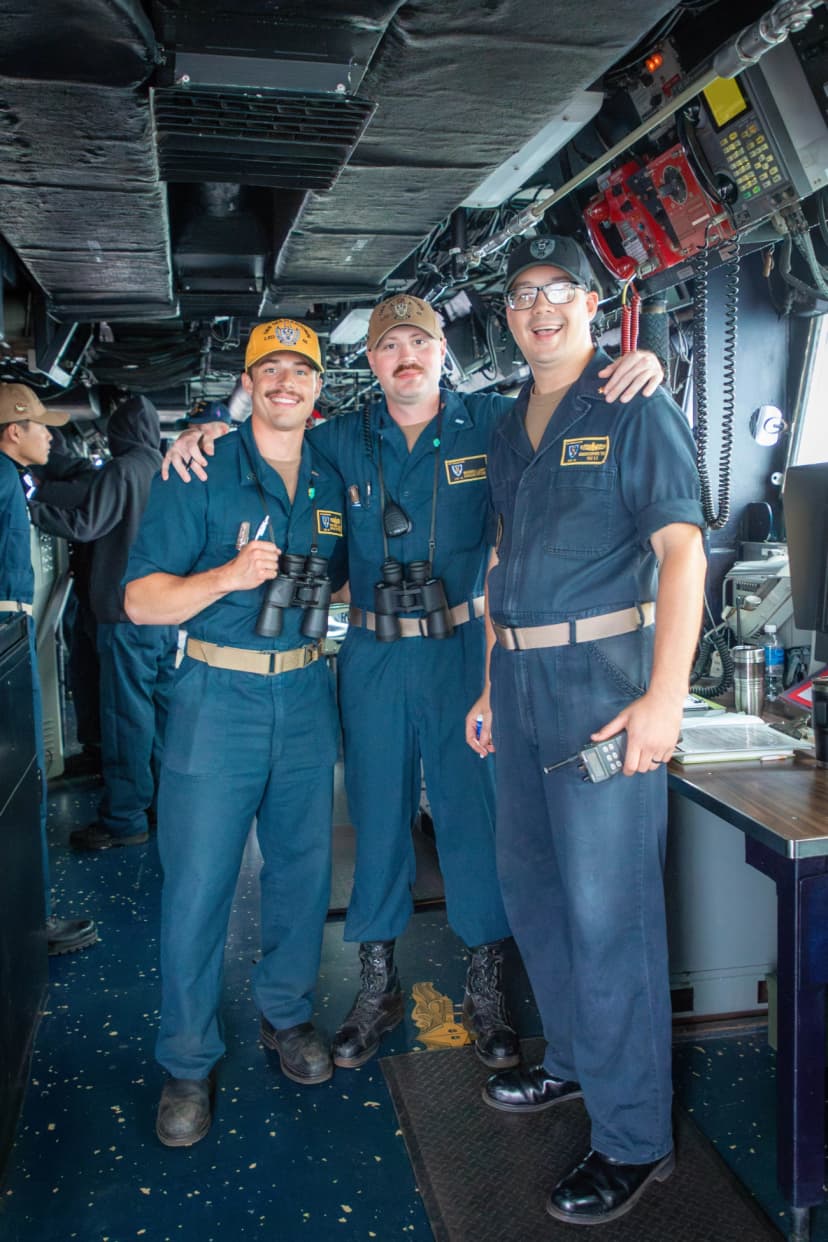
We moved on to the Bridge, or Pilot House, where we met some of the crew and learned about the different colored hats they wore. Yellow hats are donned by the bridge officer in charge when the captain is away, while red hats are worn by the firefighters and damage control crew. This colorful system was not just for show but a crucial part of shipboard operations, ensuring everyone knew each other's roles at a glance.
Navigating the ship was an adventure in itself, guided by tac numbers and a unique layout. Tac numbers, as we learned, are a traditional method for navigating within the ship, akin to coordinates, helping us find our way through the labyrinthine passageways.
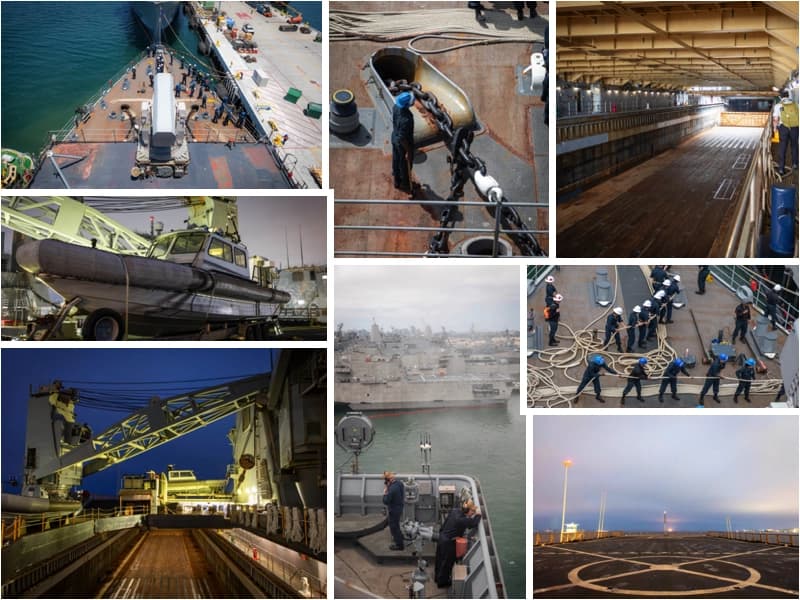
We toured several key decks of the ship, each serving a distinct purpose. The Well Deck is where amphibious operations are launched, capable of flooding to deploy landing craft. The Boat Deck houses smaller vessels used for various missions. The Flight Deck, an expanse of steel, supports helicopter operations, vital for transport and reconnaissance. The Forecastle, or Fo'c'sle, is the forward part of the upper deck, housing anchoring gear.
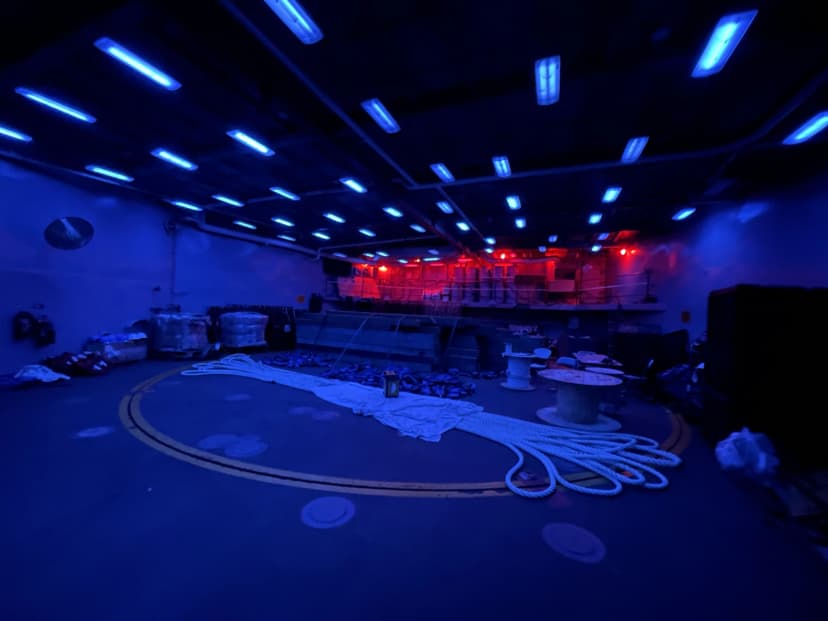
A standout feature was the Truck Tunnel and turnabout, aptly described as a "very big lazy Susan." This massive rotating platform allows vehicles to be turned around in the narrow confines of the ship, a marvel of naval engineering.
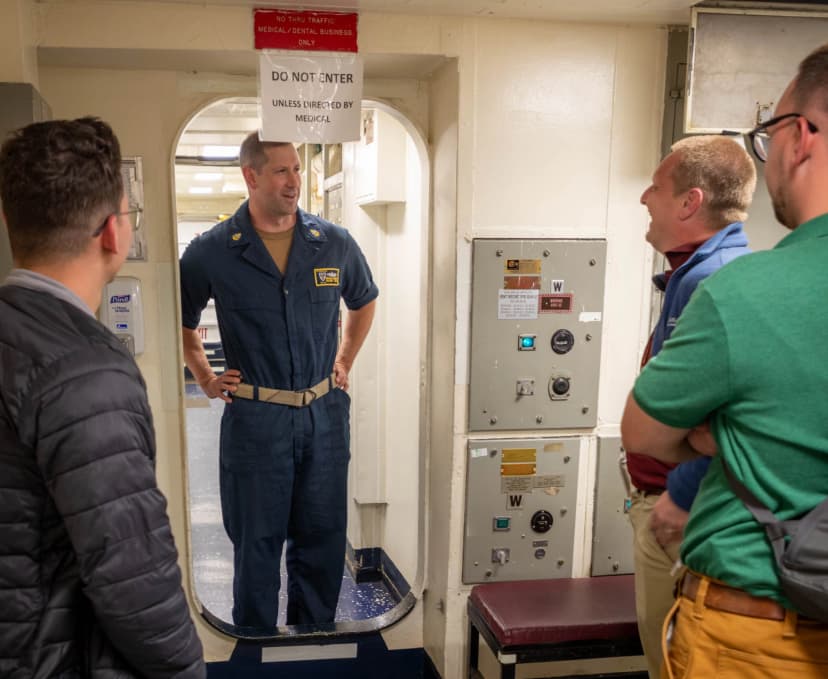
In the medical section, we met with Chief Bryan Zender, who gave us a thorough rundown of the ship's medical and dental facilities. These onboard services are essentially a small clinic and dental office, providing essential healthcare to the crew. It's remarkable to see how these services are maintained at sea, ensuring the health and readiness of everyone on board.
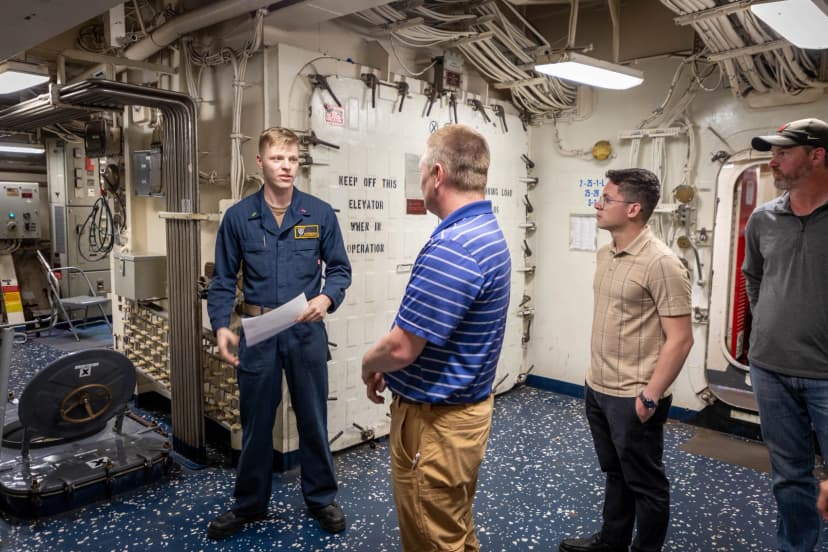
Ensign Spencer Goodwater, the newest officer aboard the ship, was our enthusiastic guide through the Damage Control and Fire areas. Despite the tradition of hazing him to wear green and red collar devices—apparently to help him navigate the ship—his energy and knowledge were evident. He led us through the bowels of the ship, including the rudder room and AC compartments, accessed by descending long, narrow ladders. These areas were fascinating, showcasing the ship's intricate systems and the essential work that keeps everything running smoothly.
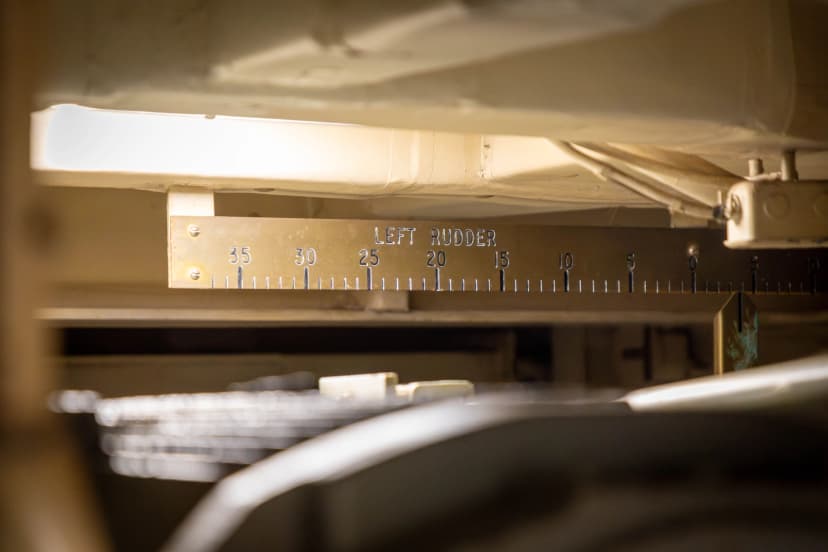
The ship was amazing in its complexity and efficiency. Each tour revealed more about the incredible logistics, technology, and human effort required to operate such a vessel. The ingenuity and resilience of the crew were on full display, and every corner we turned offered new insights into their world. The USS Germantown is not just a ship; it's a floating city, a hub of operations, and a testament to the dedication and skill of the U.S. Navy.
Operations
One of the fascinating aspects of life aboard the USS Germantown was witnessing the various operations performed by the crew. The Navy keeps things straightforward when it comes to naming these activities—crane operations, boat operations, flight operations, and gun operations all mean exactly what they sound like. There's no mystery, just a lot of skill and precision behind these seemingly simple terms.
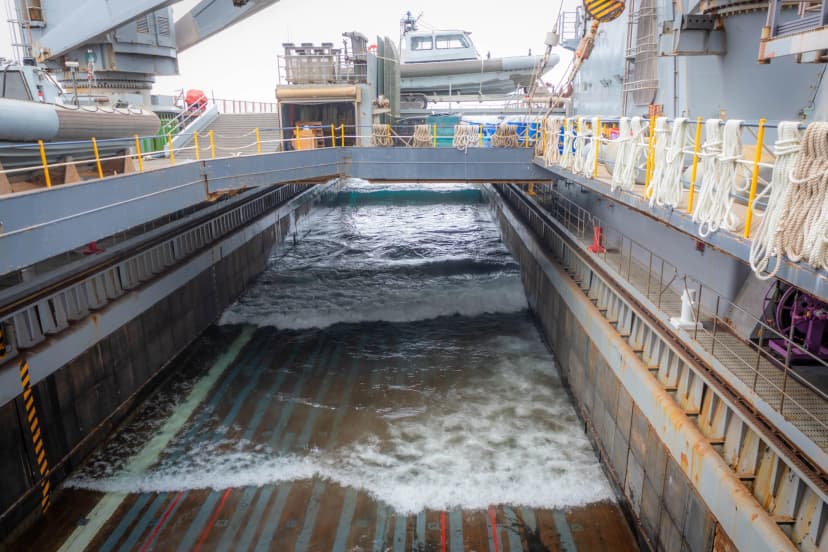
We first experienced ballasting operations, a crucial maneuver for amphibious missions. This involved lowering the stern of the ship and allowing water to flood the well deck, creating a mini-harbor inside the ship. Watching this process unfold was both thrilling and nerve-wracking. The ship's tail dipped, and we could feel the entire vessel gradually lowering. At first, a trickle of water began to seep in, quickly followed by waves cascading into the deck. The Captain made sure we were all in safe areas, as this operation makes navigating the ship extremely challenging. The sensation of the ship descending and the rush of water filling the well deck was unlike anything I'd experienced before, a testament to the engineering marvels of naval operations.
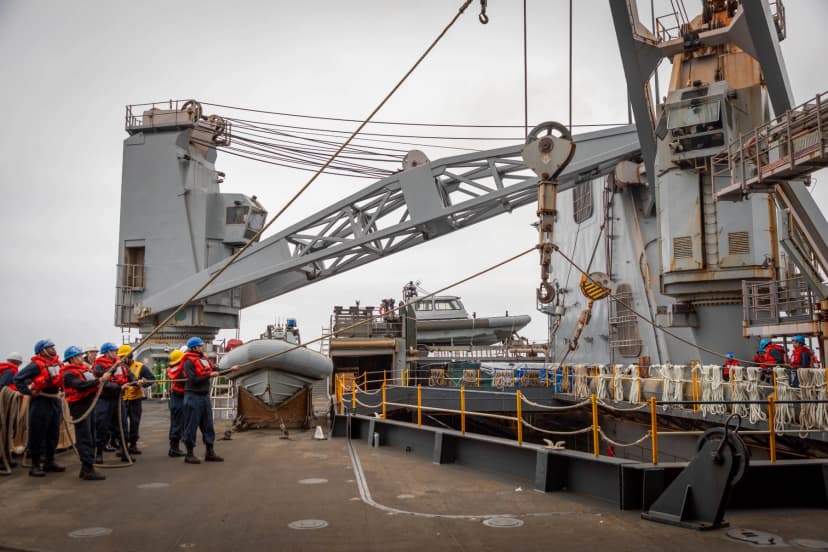
Next up were the crane operations. This involved utilizing one of the cranes on the deck to move heavy equipment. Crew members attached ropes at various angles to the crane's hook to help guide it and prevent it from swinging uncontrollably while underway. Watching the coordination and teamwork required for this operation was impressive. Each sailor knew their role, and the precision with which they managed the crane was a clear indicator of their training and expertise.
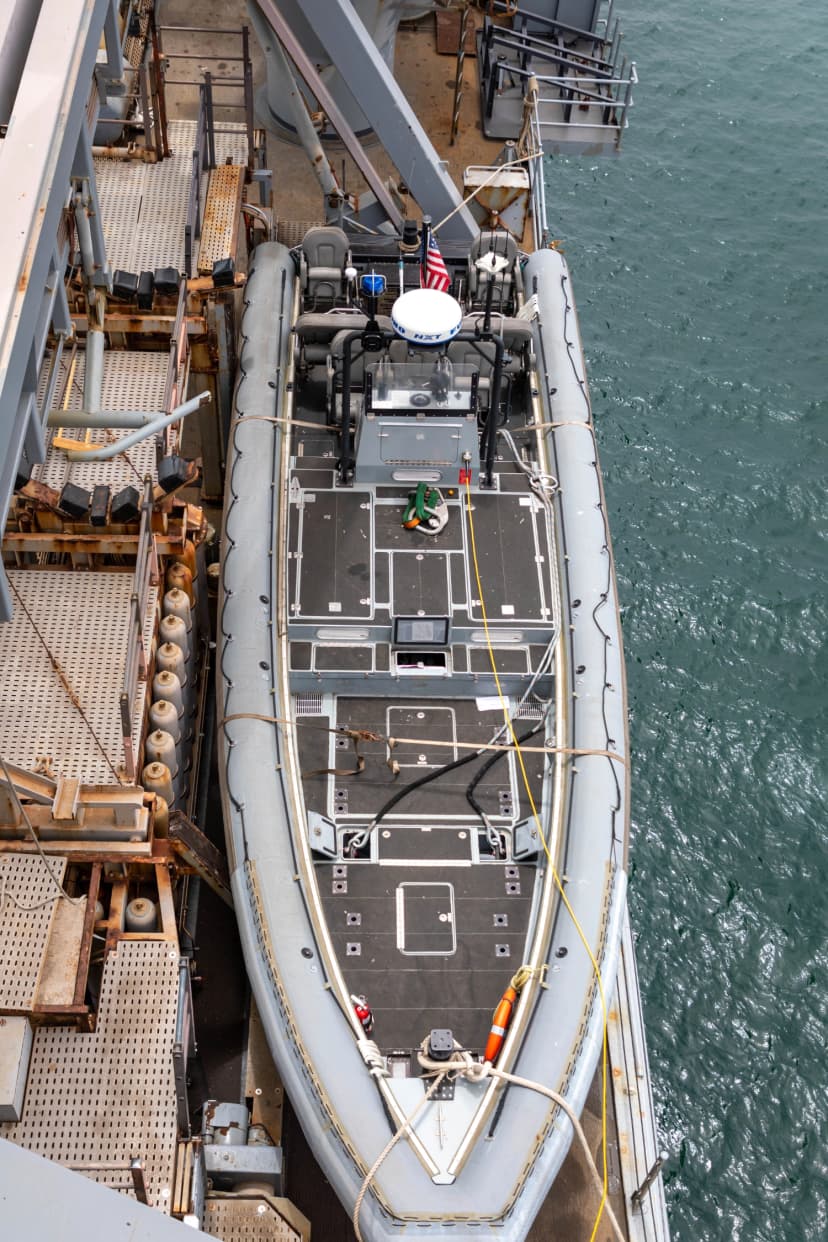
During boat operations, we had the opportunity to see one of the RHIBs (Rigid Hull Inflatable Boats) being lowered into the water. This happened as we were preparing to disembark the ship. The crew expertly maneuvered the RHIB over the side and gently into the water, ensuring everything was secure before we climbed in. The ride back to shore was exhilarating, with the RHIB slicing through the waves, giving us a firsthand experience of the speed and agility these small boats offer.
Unfortunately, flight operations were canceled. We were looking forward to seeing helicopters land and take off from the flight deck, but due to unforeseen circumstances, the plans were scrapped. Similarly, gun operations, which we were excited about—especially since we were told we might get to fire the guns—were pushed back to a later date. While it was disappointing, it also highlighted the fluid nature of naval operations and the need for adaptability.
Despite the cancellations, witnessing these operations was an eye-opening experience. It demonstrated the complexity and coordination required to keep the ship functioning smoothly. Each operation, though seemingly straightforward, involved meticulous planning and execution. It was a reminder of the incredible dedication and professionalism of the crew, and how essential each role is in ensuring the success of the ship's missions.
These moments, filled with action and precision, made the days aboard the USS Germantown fly by. Each operation not only showcased the crew's skills but also their ability to adapt to the ever-changing conditions at sea. It was an incredible experience that left us with a deeper appreciation for the daily routines and extraordinary efforts of our Navy sailors.
Crew and Culture
From the moment we stepped aboard the USS Germantown, we felt an immediate sense of belonging. Initially, I was concerned about whether we would be accepted and welcomed by the crew, but my worries quickly dissipated. The crew exceeded my hopes and understood that we were part of the big Navy family, supporting them in our own ways. In fact, they seemed just as interested in learning about what we do as we were in learning about their duties. I recently wrote about organizational culture, and it was clear that the Germantown's crew had a high degree of trust and empowerment—a testament to the Captain and his leadership, as well as his obvious care for his crew.
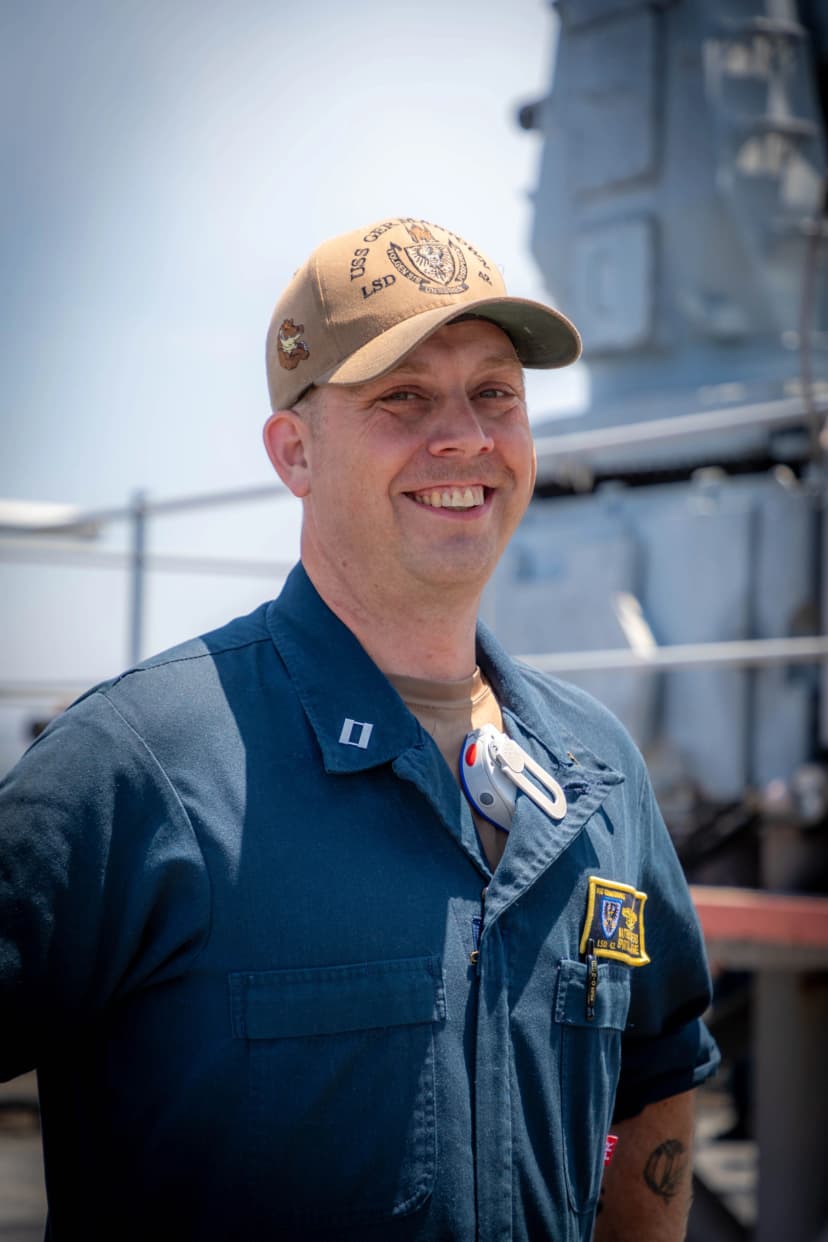
I always want to try everything, so someone doesn't say I don't know what it's like.
LT Matthew Crawford, aka "Chaps," emphasized the importance of being relatable to effectively mentor and guide the crew.
The Ship's Chaplain, LT Matthew Crawford, affectionately known as "Chaps," was the soul of the ship. He spoke with us on many occasions during the underway. Despite being a lieutenant, Chaps rarely used his rank unless he meant business. He was more focused on being in service to the crew, sharing stories of how he mentors them and even supports other ships when needed. One story that stood out was how he brought a human, caring atmosphere to another ship following a sailor's suicide. We all felt his genuine care, not just heard it. Every night at 1900, he delivered inspiring messages over the 1MC, lifting everyone's spirits.
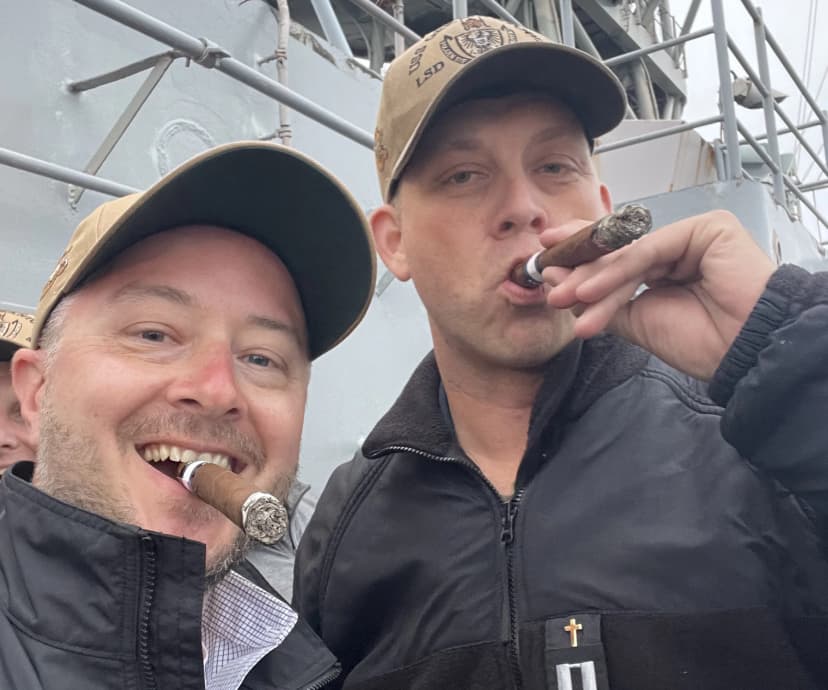
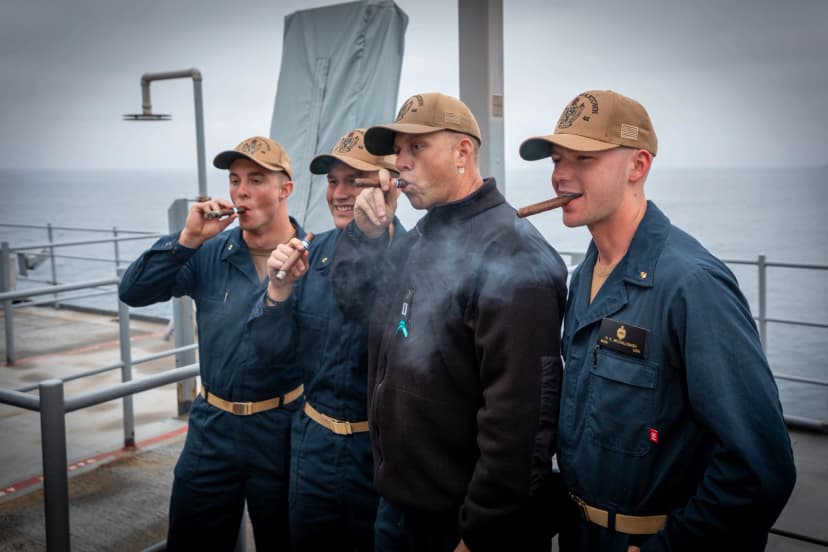
When Chaps found out we were leaving Friday morning, he gathered us and the crew on the ship's top deck for "holy smokes," a Navy tradition and his unique way of connecting with people and getting them to open up. This was the most fun and sociable night on the ship. We engaged with crew members we hadn't met before, solidifying that strong sense of belonging.
One such group that was everywhere along the ship were the Midshipmen—college students from various universities gaining valuable experience. They were very interested in the Scientists to Sea group and shared their ambitious plans for their Navy careers. Their enthusiasm was infectious, and it was exciting to see such motivated young individuals preparing to join the fleet.
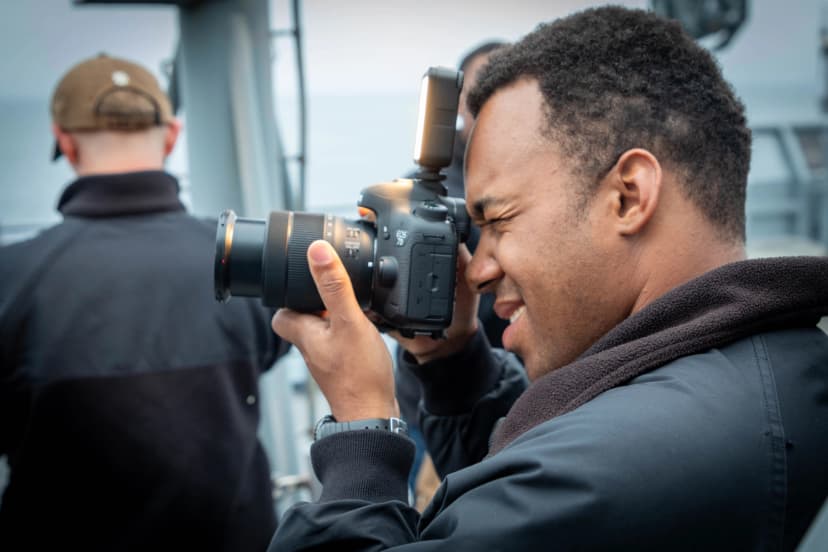
As a hobby photographer, I was thrilled to bring my camera along. It turned out there were quite a few photographers on board. One standout was OS-2 Trevonte Jasper, who immediately noticed my camera and showed me his. We chatted about photography, and he even photobombed me with bunny ears one night—great guy with some awesome pictures.
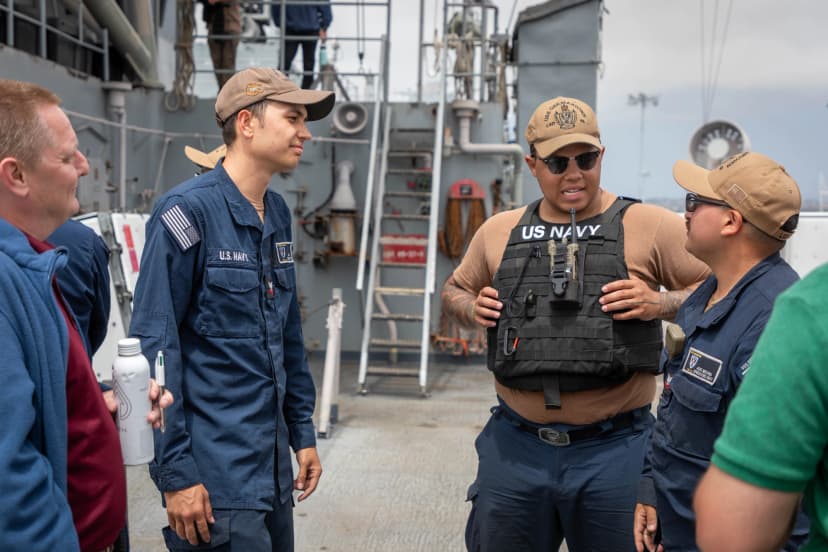
PO2 Isiah Diaz engaged our group one day on the deck, sharing numerous stories that offered deeper insights into life aboard the Germantown. He explained how the ship, due to decommissioning concerns, struggled to maintain full staffing, operating with about 160 sailors instead of the 300 it could have. Despite this, the current crew was highly experienced and knowledgeable. Diaz shared anecdotes about fishing off the side of the ship and how longer underways actually seemed to pass more quickly than shorter ones. He also described the "Shellback Ceremony" that occurs when a ship crosses the equator, a tradition that boosts morale and tests new sailors' mettle. His favorite port so far? Thailand.
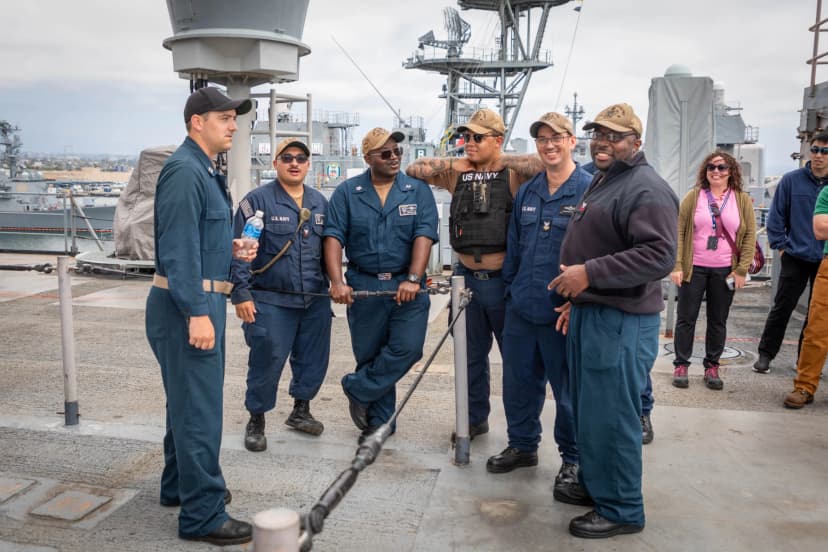
We met so many members of the crew, each with their own unique stories and experiences. The friendliness and welcoming nature of the crew were undeniable. They were genuinely interested in us and eager to share their lives. This openness made our experience all the more enriching and memorable.
Berthing and Messing
Being underway felt like stepping back in time before smartphones and constant connectivity. It was a simpler time where you could truly be present in the moment. It was like a hard-working job where you felt accomplished at the end of the day—hard work but fulfilling. We engaged and got to know people, forming bonds that I hope will last. Despite the sense of camaraderie, I did miss home, and I could only imagine what it's like for the crew during longer deployments. It's not all sunshine and smooth sailing, but the strong morale and camaraderie make it bearable.
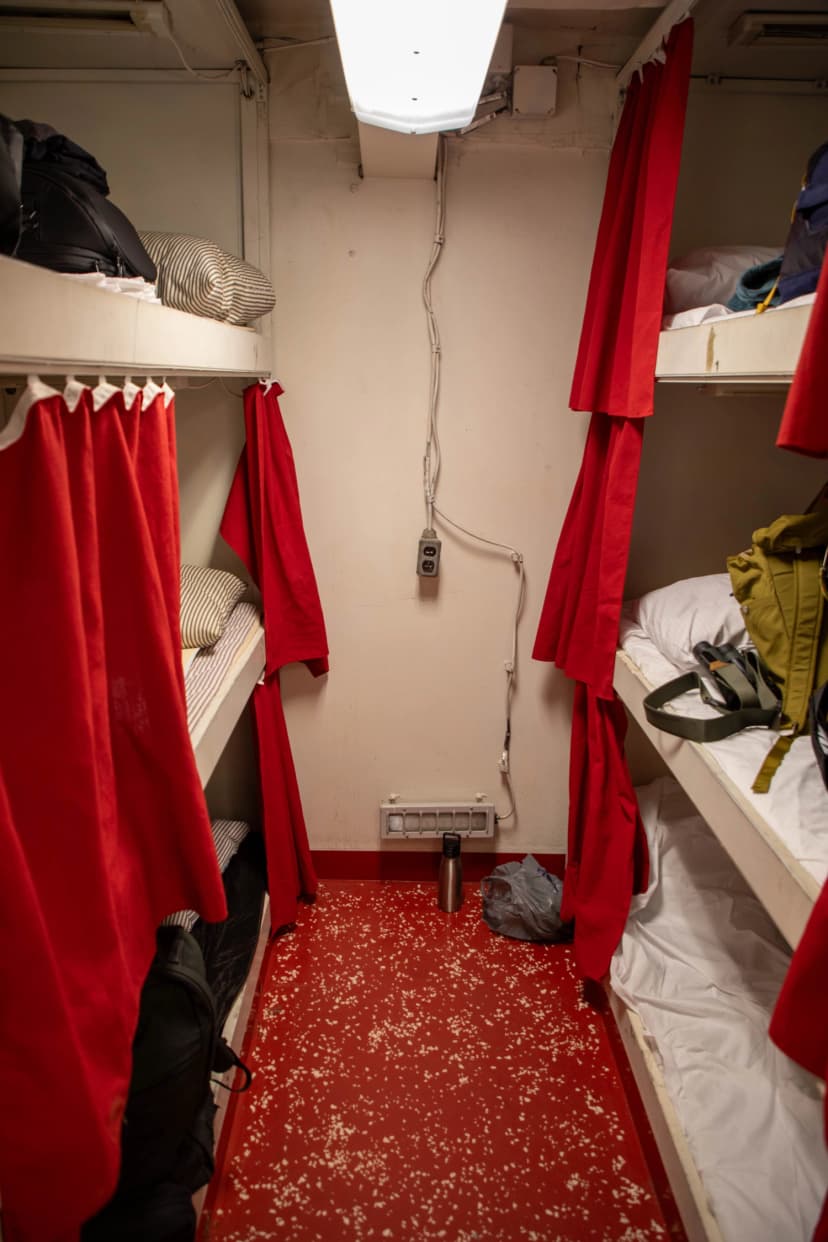
We stayed in a six-pack berthing room. The quarters were cramped, space was limited, and it could get hot. Showers were ice-cold, and you had to adapt to the lack of modern amenities we usually take for granted. It was like camping in the middle of the Pacific Ocean. One night, we hit heavy waves, and I swear I almost rolled off the top bunk! Standing and keeping balance all day made our legs burn at night. Dehydration was a real concern. All of this underscoring the importance of maintaining morale and camaraderie, carefully nurtured by leadership.
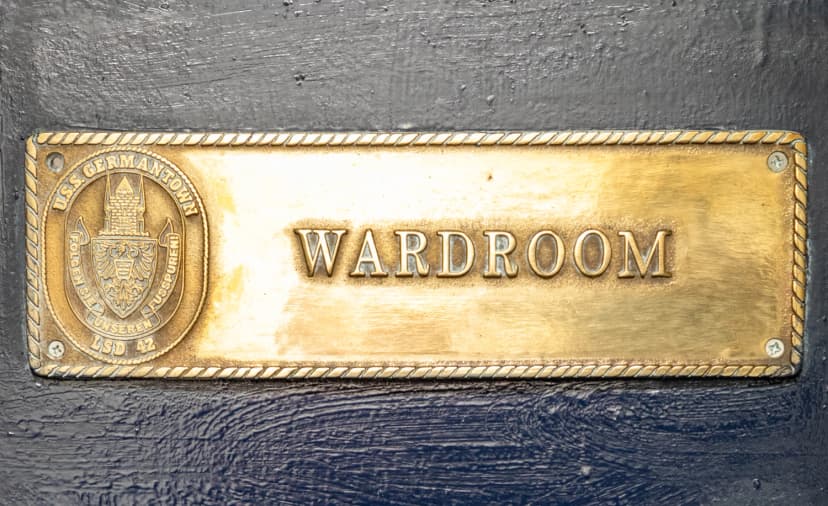
One of the main happy surprises was the food. Contrary to the bad ship food rumors, the Germantown had great food. It was simple—show up, select what you want if in the mess hall, or write down your preferences on a form if in the wardroom for breakfast, lunch, dinner, and midrats (leftovers for those hungry late at night). We made sure to give the watchstanders the first 30 minutes to eat and get to their stations. The mess hall was also another place to gather and chat with the crew.
Upon entering and leaving the wardroom, it is customary to ask permission from the highest-ranking officer present. Also, remember to take your hat off before entering.
One night, we were lucky to dine with the CO and XO, who have their own seats in the wardroom. I bonded with the CO over being a girl dad with pre-teens and teenagers, sharing a joke about having a shovel and pickup truck ready for any boy troubles. He also gave us a heads-up to never eat the catfish if it's on the menu. He shared that upcoming underways might include trips to Alaska and Chile. He also gave us some history on the ship—USS Germantown has gone back and forth between decommissioning, it's the oldest amphib in the Navy (38 years old), and it's the last LSD with a wooden well deck.
I want to be part of the solution, not the problem.
The XO regaled us with stories of the USS Germantown's change of command ceremony with the CO's two young daughters. The XO was very approachable and friendly, a sentiment echoed by her crew throughout our stay, with an open-door policy to come and see her if needed.
This crew, their stories, and the unique culture aboard the USS Germantown made our time there unforgettable. Their professionalism, warmth, and dedication were truly inspiring, and I left with a deep sense of respect and admiration for all they do.
Merch
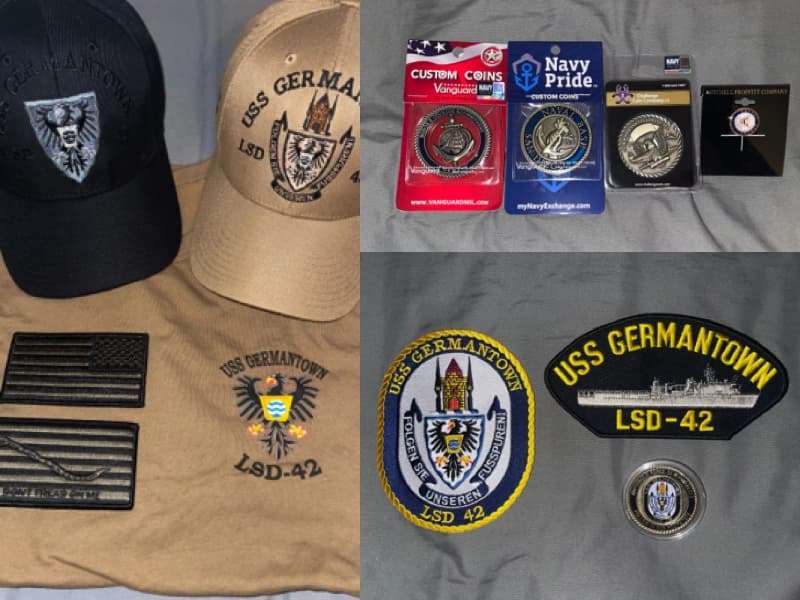
Before purchasing anything from the ship store or paying for meals at the end of the trip, we needed to obtain a Navy Cash card. This card allowed us to transfer money from our bank accounts to the card and vice versa, making transactions aboard the ship seamless. One night, Ensign Leach went above and beyond to help us get our Navy Cash cards. He patiently guided us through the process, ensuring everything was set up correctly, and even gifted us all flag patches as a bonus.
Once we had our Navy Cash cards in hand, we made a beeline for the ship's store. The excitement of getting some USS Germantown memorabilia was palpable. I managed to snag two ball caps and a t-shirt. Unfortunately, they were out of challenge coins, a highly sought-after item among us collectors.
Determined to add to my collection, I did some online sleuthing after the underway. I found some ship patches on Amazon and was lucky enough to score a USS Germantown commander's coin on eBay. These finds were the perfect additions to commemorate my time aboard.
Before embarking on the trip, I also picked up a few Naval Base San Diego coins at the Navy Exchange (NEX) on base. I love collecting these mementos—not that I'll ever forget this incredible experience, but they serve as tangible memories that I can look back on one day. Each piece of merch is a small but significant token of the adventure and the new friends I made along the way.
Disembarking
Disembarking from the USS Germantown turned out to be quite an adventure. Our return date shifted multiple times due to operational changes, and by Thursday night, we were given a choice: disembark for sure on Friday afternoon or potentially face an extended stay on board. With the certainty of a Friday return aligning with our original plans, all but four of us decided to take the guaranteed date. Some brave souls opted to stay despite the uncertainty, eager for more time at sea.
Those brave souls who chose to stay were rewarded with witnessing Landing Craft Utilities (LCUs), Landing Craft Air Cushions (LCACs), and flight operations with an MH-60R "Romeo" helicopter landing aboard the ship!
Friday morning, I had the privilege of meeting with the Captain and XO to express my gratitude for the incredible experience. I presented the Captain with a challenge coin, accompanied by a heartfelt handshake and thanks.
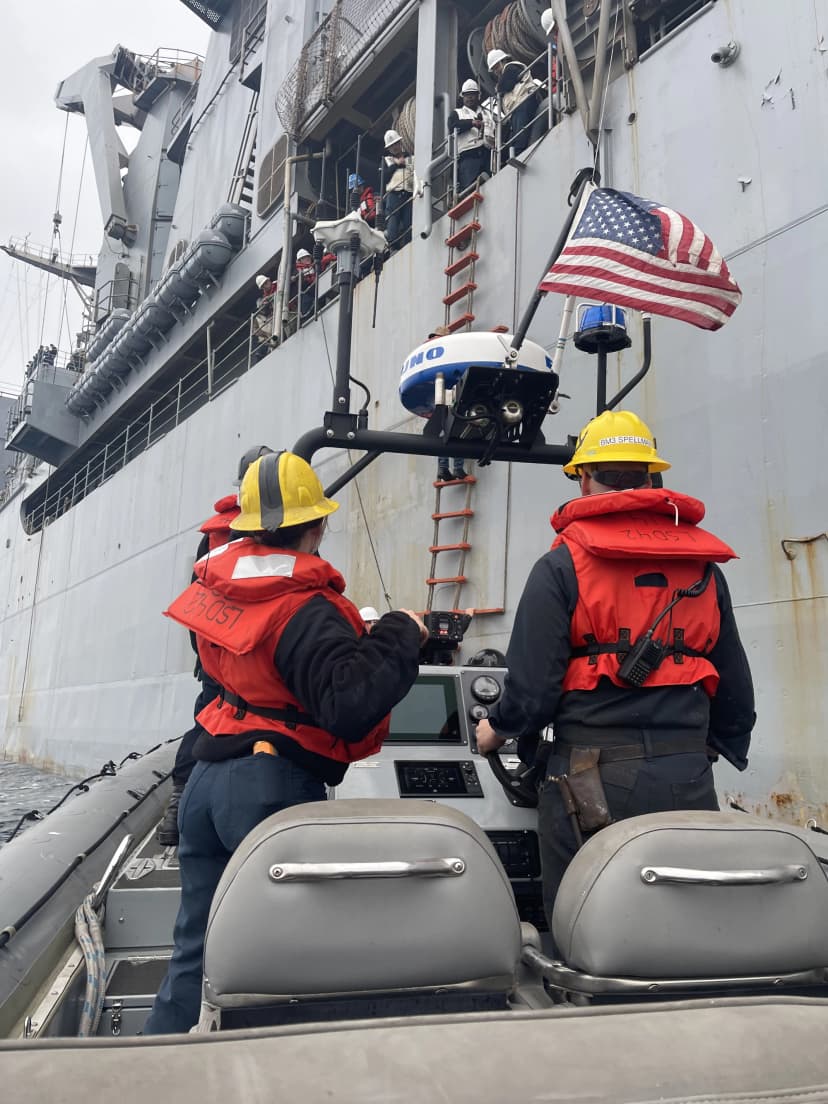
The excitement didn't end there. We faced the thrilling task of climbing down the side of the ship on a ladder rope to board a Rigid Hull Inflatable Boat (RHIB) for our 30-minute ride back to Shelter Island. Shortly into the journey, the port engine on the RHIB decided it had enough and stopped working. Despite this hiccup, we managed to make it back safely with the starboard engine still going strong.
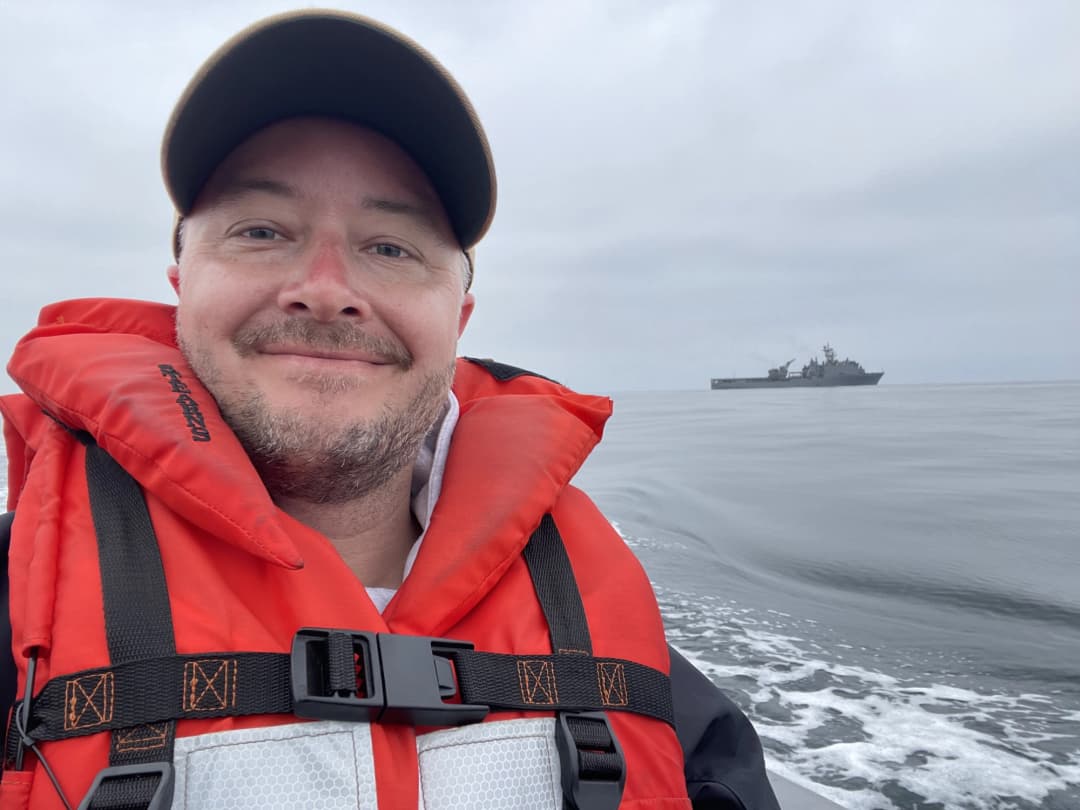
Upon reaching shore, we were greeted by escorts who whisked us away to the rental car company. From there, some of us caught flights back home, while the rest took the opportunity for some last-minute exploration adventures in San Diego. The disembarkation, with its mix of challenges and excitement, was a fitting end to an unforgettable time at sea.
Visiting NIWC-PAC Headquarters
During my stay in San Diego, I made a brief visit to NIWC-PAC at the Naval Base Point Loma Topside location to say hello to some leadership and meet the local coordinator of the Scientist to Sea effort. It was a great opportunity to discuss another exciting initiative he coordinates—Trident Warrior experimentation. Trident Warrior carries out its experiments in the Hawaii operating area during Rim of the Pacific (RIMPAC), the world's largest multinational maritime exercise. I'm hoping to get more information and gather some Philly folks to participate in this aboard another ship in the near future.
The visit also had its perks. I managed to get some swag—coins, patches, and a ball cap. Surprisingly, despite being with NIWC-PAC for ten years, this was the first time I got my hands on some official swag! It felt like a small yet meaningful token of appreciation and connection to the team and our shared efforts.
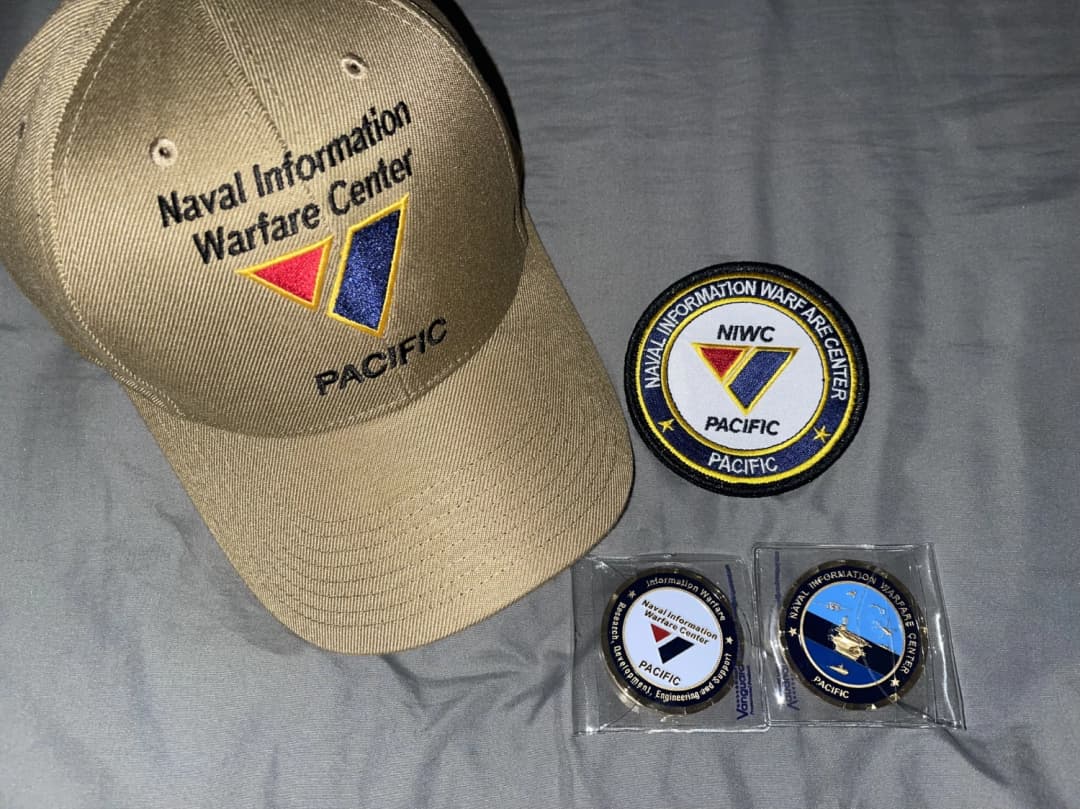
Connecting with the leadership and the Scientist to Sea coordinator not only reinforced my sense of belonging but also opened up new avenues for future collaborations. It was a productive and enjoyable visit that added another layer of value to my trip.
San Diego Tourism
San Diego never fails to impress with its mix of natural beauty, vibrant culture, and delicious food. From the rugged coastline of Sunset Cliffs to the charming allure of La Jolla Cove, and the bustling activity in Pacific Beach, every corner of this city offers a unique experience. This trip, I made it a mission to dive deeper into San Diego's treasures, revisiting old favorites and discovering new ones along the way.
Exploring the city's renowned Balboa Park with its array of museums and street entertainers, and savoring the diverse culinary delights from iconic local eateries, provided a rich tapestry of memories. Whether you're a fellow photographer, a food enthusiast, or just someone looking to soak in some breathtaking views, San Diego has something to offer. Join me as I recount my latest adventure in this sunny paradise, filled with picturesque landscapes, cultural hotspots, and unforgettable flavors.
La Jolla Cove
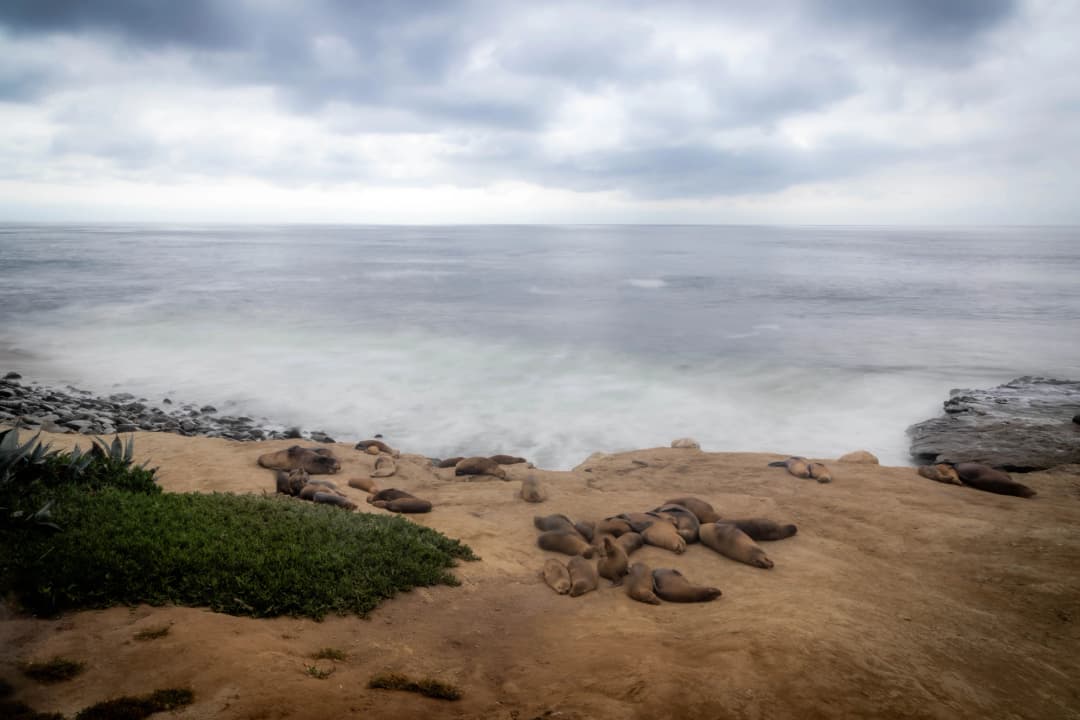
La Jolla Cove, a small but stunning beach tucked away in the upscale neighborhood of La Jolla, San Diego, is renowned for its picturesque views, crystal-clear waters, and playful sea lions. I first visited La Jolla Cove during my previous trip and was so captivated by its beauty that I made it a point to return twice this visit.
The first trip to La Jolla Cove was with a group of fellow Scientists to Sea. We were all in awe of the breathtaking scenery, but in my excitement, I realized I had left my trusty tripod back at the hotel. Determined to capture the cove's magic, I returned the next day, tripod in hand. This second visit allowed me to take some fantastic long exposure shots of the serene beaches, curious sea lions, and the mesmerizing cove itself.
La Jolla Cove never fails to enchant, with its dramatic coastline and vibrant marine life. Whether you're a photographer seeking the perfect shot or simply someone who appreciates natural beauty, this spot is a must-visit. Each visit offers something new, and I'm already looking forward to my next opportunity to explore its wonders.
Pacific Beach
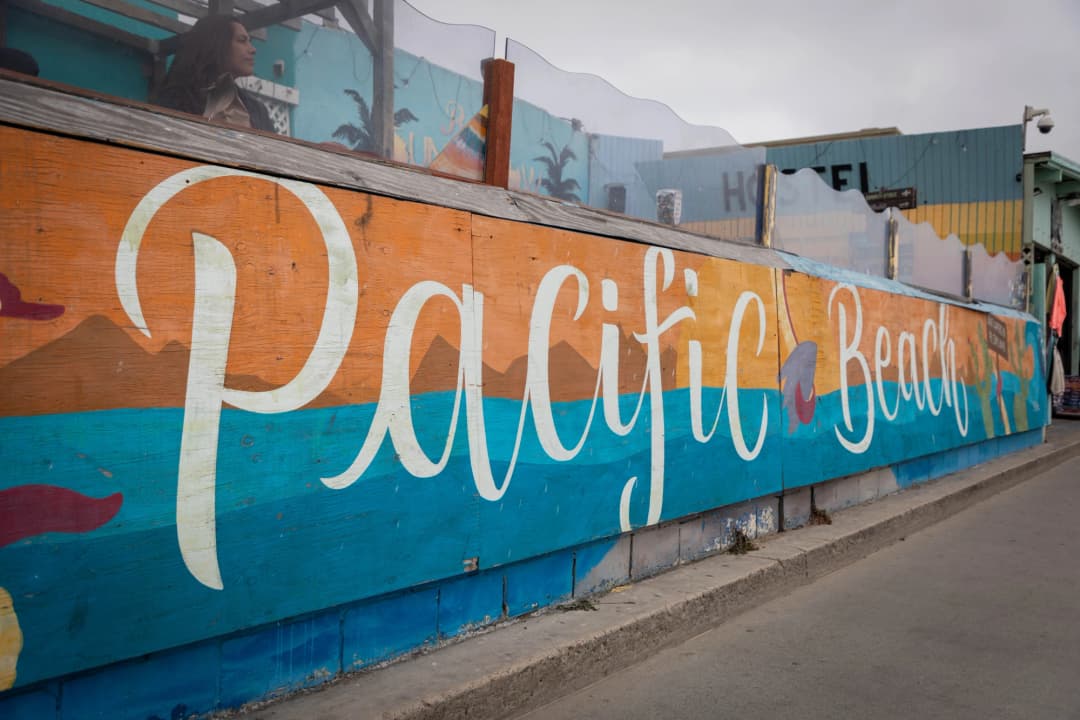
Pacific Beach, affectionately known as "PB" by locals, is a bustling beach community in San Diego, famous for its lively boardwalk, vibrant nightlife, and plethora of shops and restaurants. This trip, I found myself stopping by Pacific Beach twice. My last visit to San Diego included a mission to finally hit up a beach, which led me to the sun-soaked sands of Mission Beach. This time, I was eager to explore Pacific Beach, which seemed to offer even more in terms of dining and shopping options.
One afternoon, while enjoying a cold beer with a local friend of one of my colleagues, we got the lowdown on the best spots to visit in PB. As we chatted, he shared a story about Slomo, a beloved figure in Pacific Beach. Known for his unique and mesmerizing form of exercise—slow-motion rollerblading—Slomo is a local legend. Donning headphones and gliding along the boardwalk in slow, deliberate movements, he has become a symbol of living life at your own pace. His graceful, almost meditative skating style captivates onlookers and spreads a message of joy, mindfulness, and the freedom to follow one's passion. Slomo's presence adds a touch of magic to the vibrant beach scene, embodying the carefree spirit of San Diego.
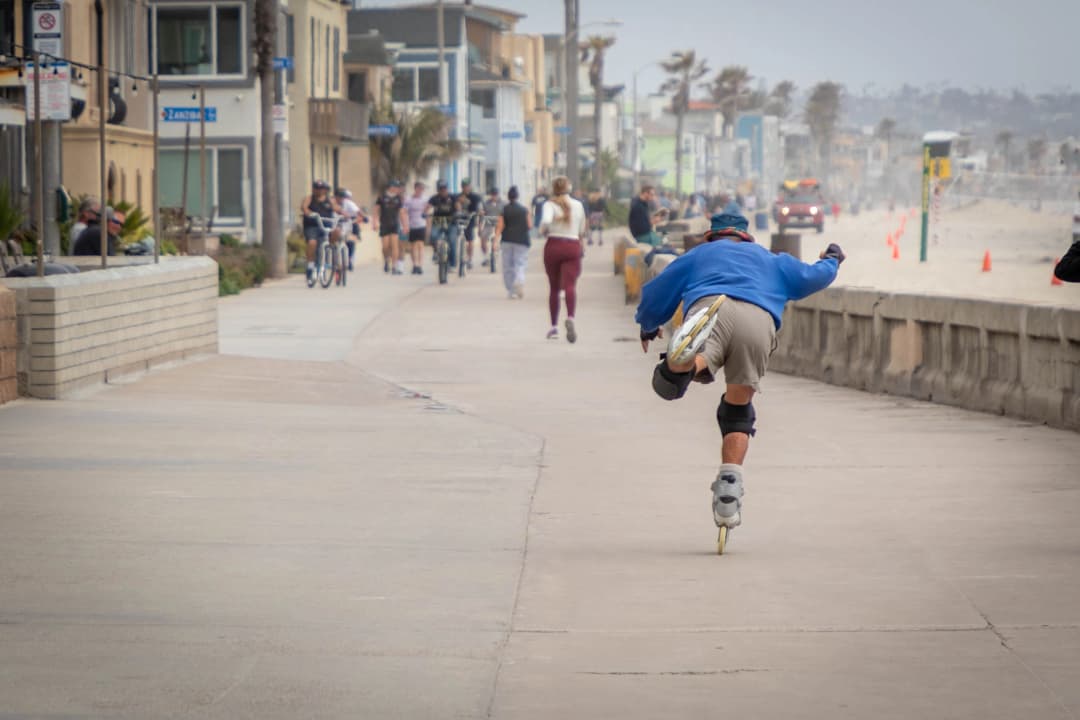
Just as our friend finished telling us about Slomo, there he was! I actually saw Slomo gliding by and managed to snap a photo of him in action. It was a serendipitous moment that made our visit to Pacific Beach even more memorable. If you ever find yourself in PB, keep an eye out for this local legend—you might just catch a glimpse of him spreading his unique brand of positivity along the boardwalk.
Balboa Park and Museums
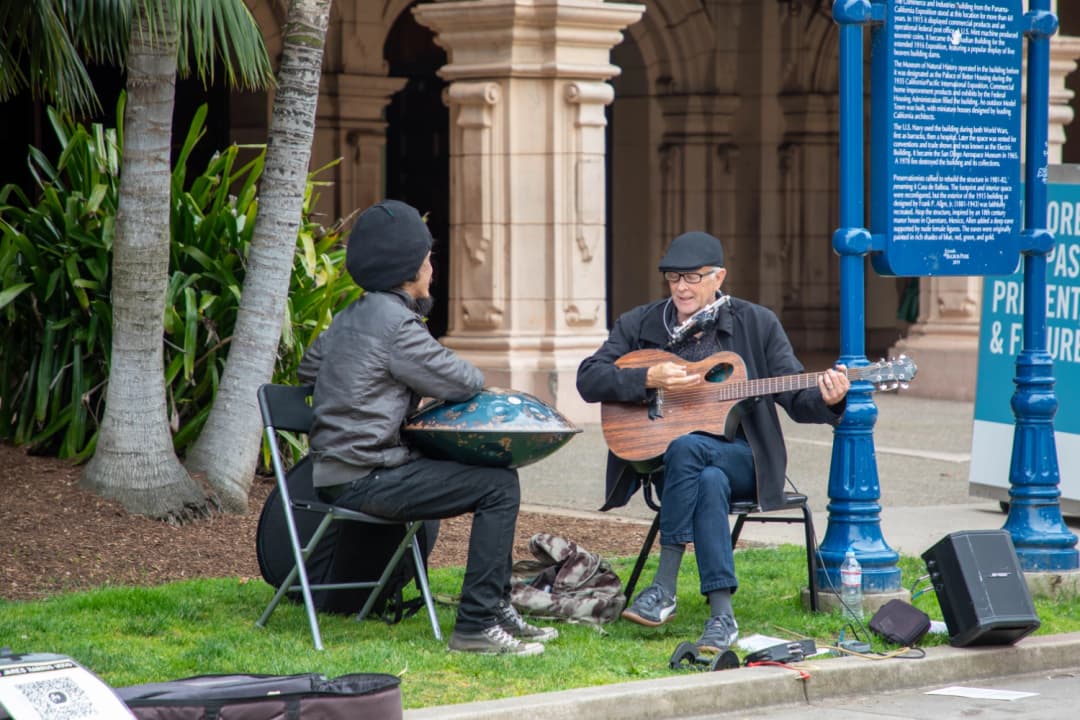
Balboa Park, San Diego's cultural heartbeat, is a sprawling urban park filled with lush gardens, stunning architecture, and a vibrant arts scene. This trip, I took the opportunity to stroll through the park, soaking in the sights and sounds of street entertainers playing guitar, the rhythmic beats of steel drums, and mesmerizing magic performances. The park's lively atmosphere made it a perfect backdrop for a day of exploration.
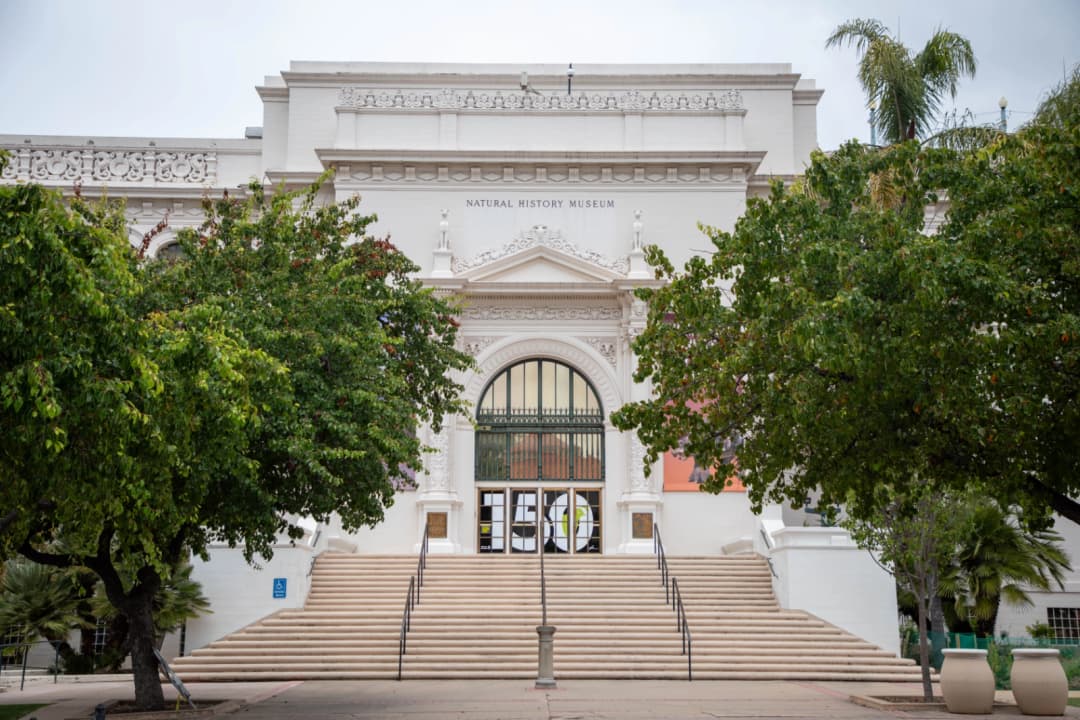
I also visited several museums within Balboa Park. The San Diego Natural History Museum was a treasure trove of fascinating exhibits, from prehistoric fossils to the diverse flora and fauna of the region. Next, the San Diego Model Railroad Museum delighted the inner child in me with its intricate and expansive model train layouts, offering a miniature yet incredibly detailed world.
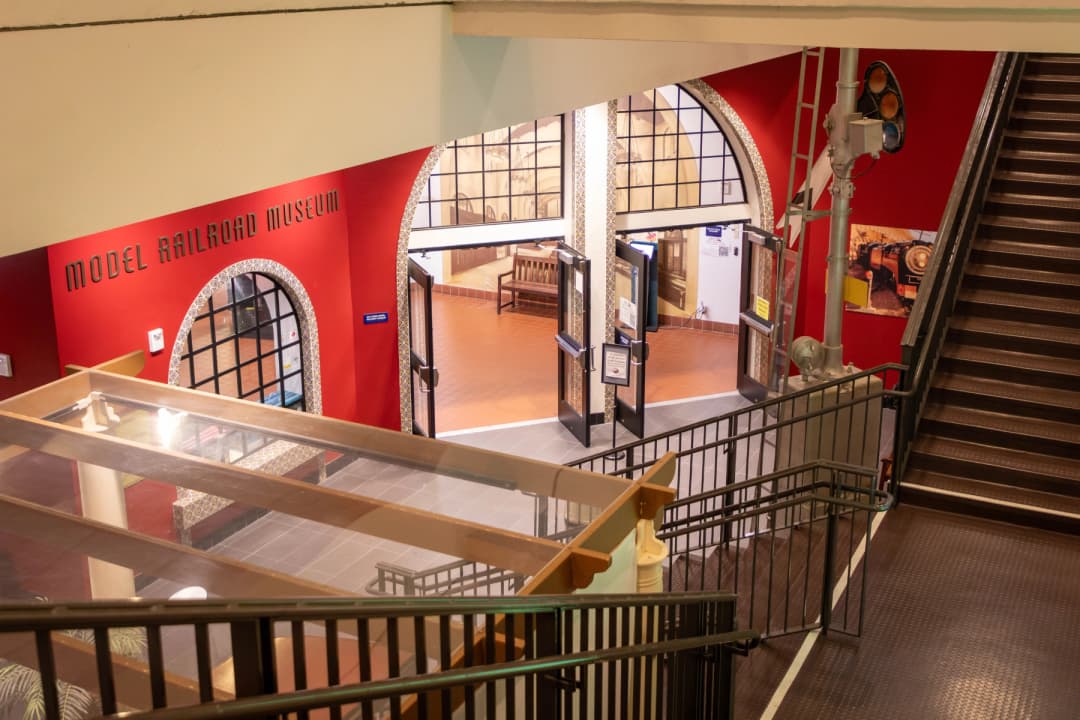
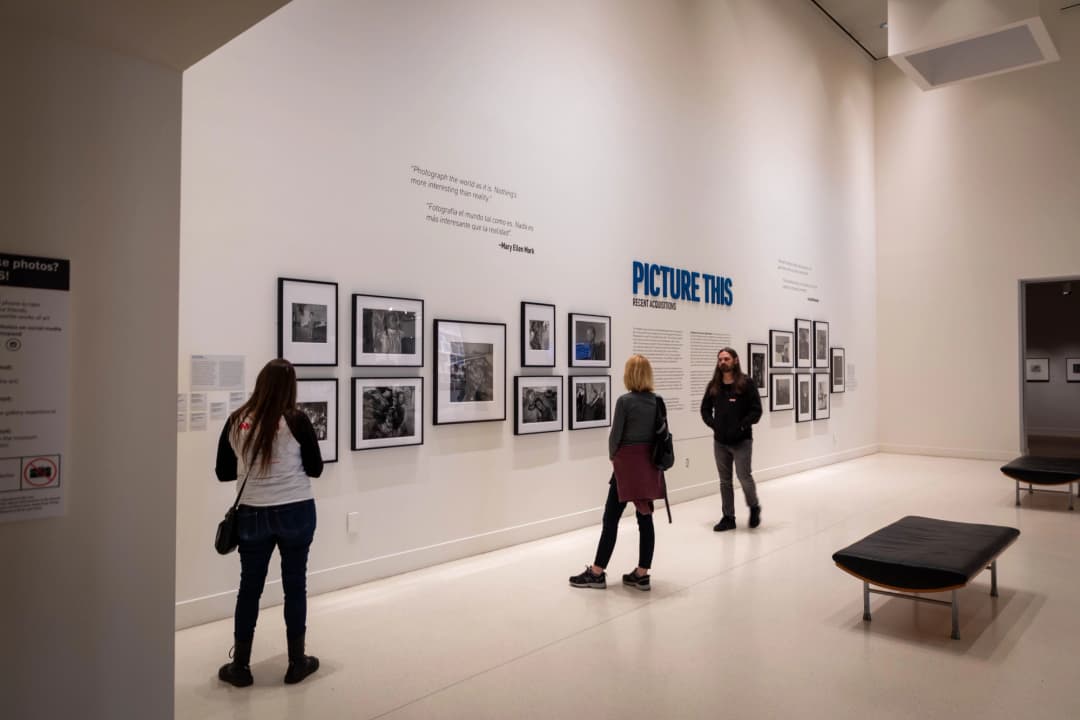
Photography is a hobby of mine, so the Museum of Photographic Arts (MoPA) at the San Diego Museum of Art was a particular highlight. The exhibits were stunning, showcasing both historical and contemporary works that inspired me to experiment more with my own photography. The museum's collection was a feast for the eyes and sparked a lot of creative ideas.
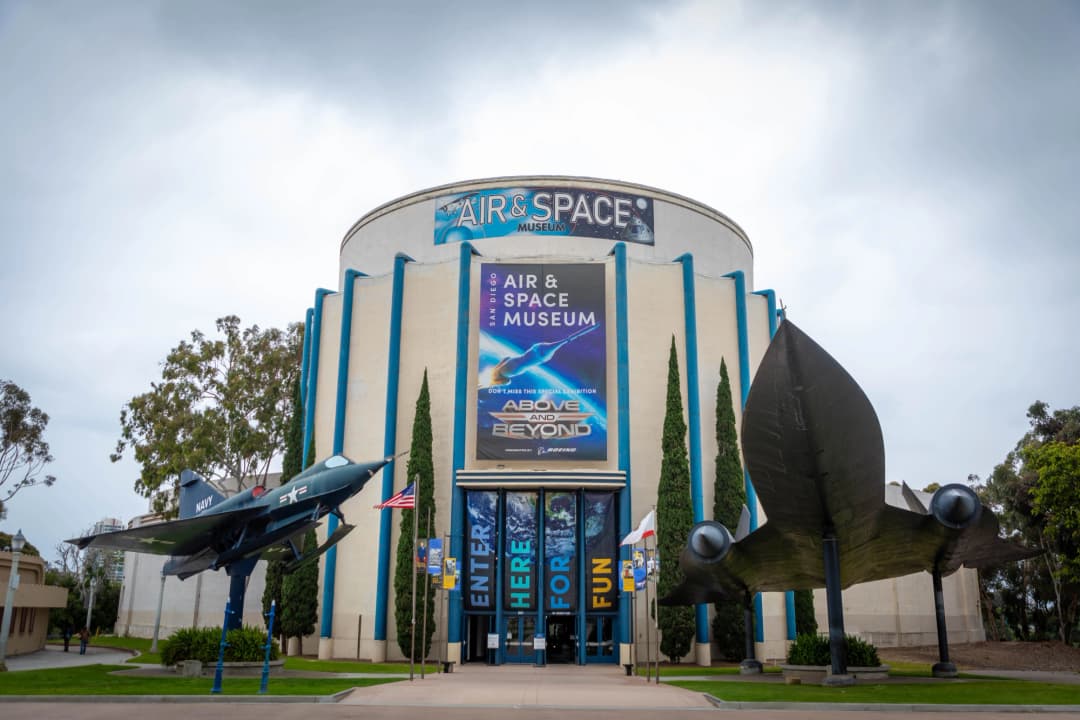
The San Diego Air and Space Museum was equally impressive, with its captivating displays of aviation and space exploration history. From vintage aircraft to space capsules, the museum provided a thrilling journey through humanity's quest to conquer the skies.
To top it all off, I took a tram ride around the park, which was a relaxing way to see all the key attractions without wearing out my feet. Balboa Park is truly a cultural wonderland, offering something for everyone and leaving me eager to return and explore even more.
Sunset Cliffs
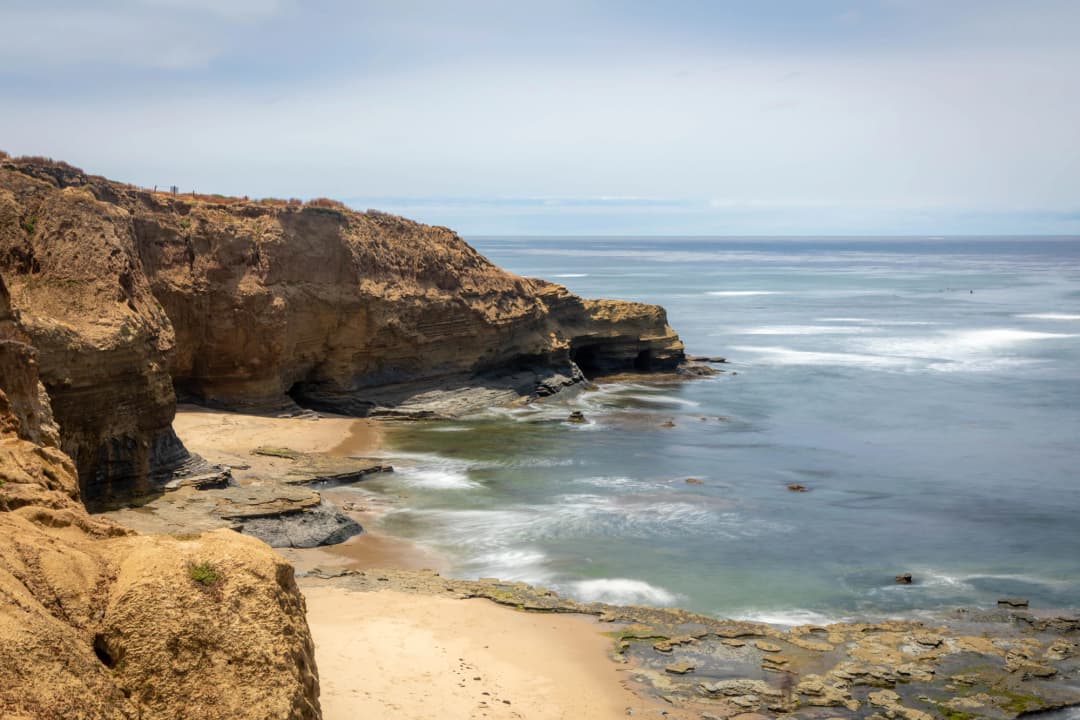
On my last day in San Diego, just before catching my flight, I made a trip to the breathtaking Sunset Cliffs. Known for its rugged coastline and panoramic ocean views, Sunset Cliffs offers some of the most stunning natural scenery in the area. It was the perfect spot to wrap up my trip and capture some unforgettable moments.
The cliffs, with their dramatic drop-offs and vibrant hues, provided a stunning backdrop for my photos. I managed to get some excellent shots of the cliffs and the sweeping ocean views, each frame capturing the raw beauty of nature. Despite the water being quite still, I was able to experiment with a couple of long exposure shots, adding a soft, ethereal quality to the scene.
As I strolled along the edge of the cliffs, the invigorating smell of coastal sage filled the air, enhancing the sensory experience. The fresh, earthy scent added to the sense of tranquility and awe at the sheer power and beauty of the coastline. Sunset Cliffs is a must-visit for anyone in San Diego, whether you're a photography enthusiast like me or simply looking to soak in some of the best views the city has to offer. It was the perfect way to end my trip, leaving me with a sense of peace and a camera full of memories.
Food
One of the best parts of traveling is the food, and my recent adventure around San Diego before and after my underway on the USS Germantown did not disappoint (well, mostly). Kicking off my culinary journey was a stop at Rubio's Coastal Grill on the Naval Base. I opted for the Salmon Burrito, a delightful mix of fresh, flavorful salmon wrapped in a warm tortilla. It was the perfect pre-underway meal, providing the right balance of protein and taste to keep me energized.
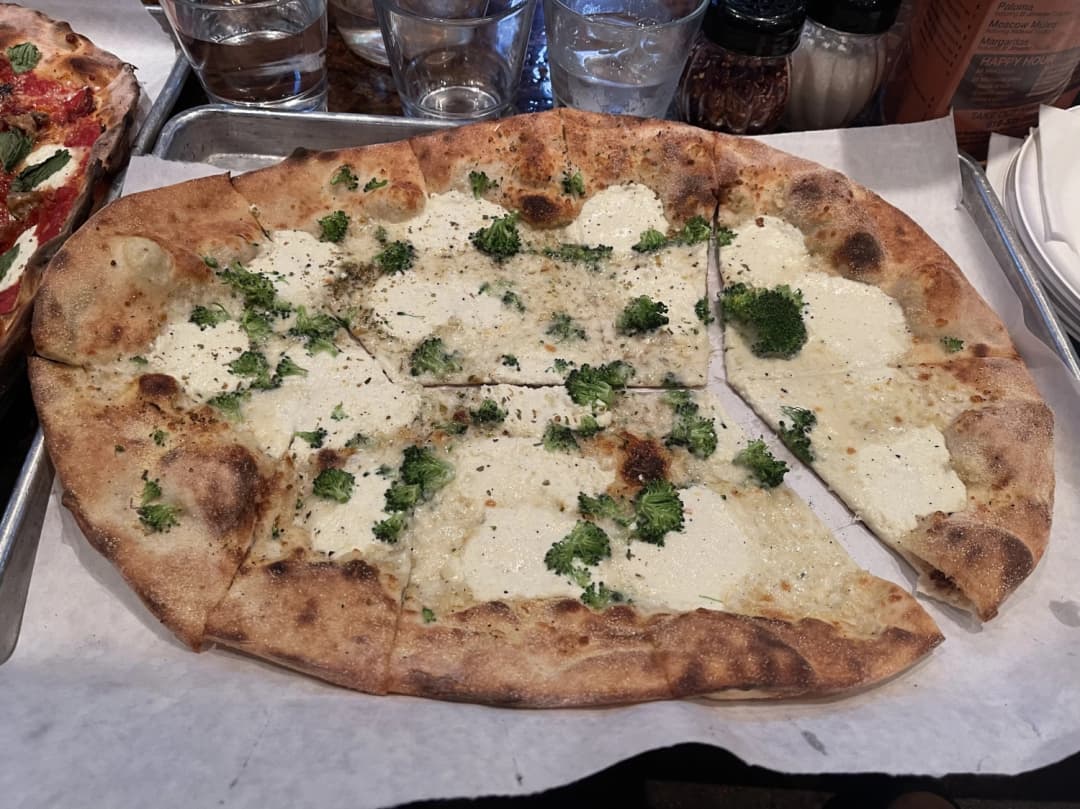
Next up, I ventured into the Gaslamp Quarter for a bite at Basic Bar/Pizza. I went for the white pizza topped with ricotta and broccoli. The pizza was huge but very thin, giving it a nice crispness without being too heavy. It was a deliciously unique take on the traditional pizza, and I enjoyed every bite.
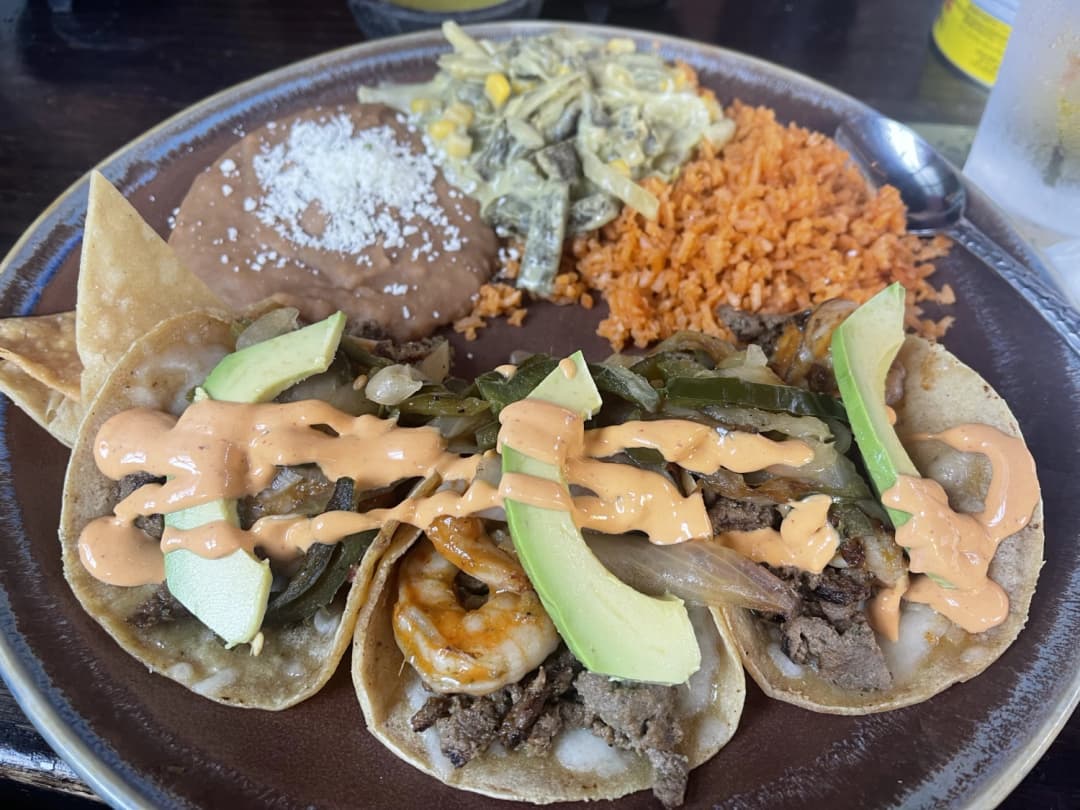
Once back on land, I headed to La Puerta in Mission Hills for their highly-rated Surf 'n' Turf Tacos. These tacos lived up to their reputation, offering a perfect blend of tender steak and succulent shrimp, all wrapped up in a tortilla. The rock music-themed ambiance added to the fun experience, making it a memorable meal.
In need of a refreshment, I stopped by World Famous in Pacific Beach for a beer. Despite its grandiose name, the place served its purpose well. The beer was cold, the view was nice, and it was a great spot to unwind after a long day.
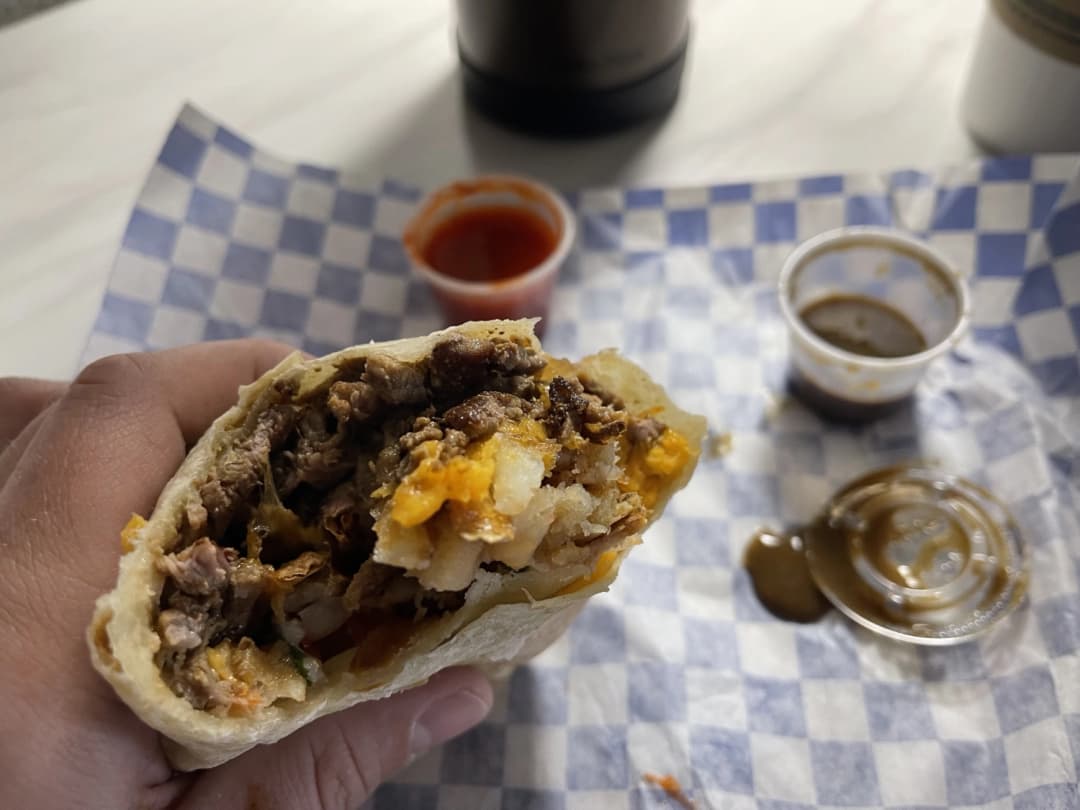
Unfortunately, not all my food experiences were stellar. I had high hopes for the 1lb Carne Asada California Burrito from Tony's Fresh Mexican Food, craving it since my last visit to San Diego. However, this time I tried a different location on Washington St., and it was a huge letdown. The burrito not only failed to impress but also left me feeling nauseous. Halfway through, I knew something was off, and it resulted in an unpleasant experience. Just the day before, I had been recommending this place to my fellow scientists at sea, and I am so glad we didn't end up going there. Lesson learned—stick to the Tony's on Rosecrans St.
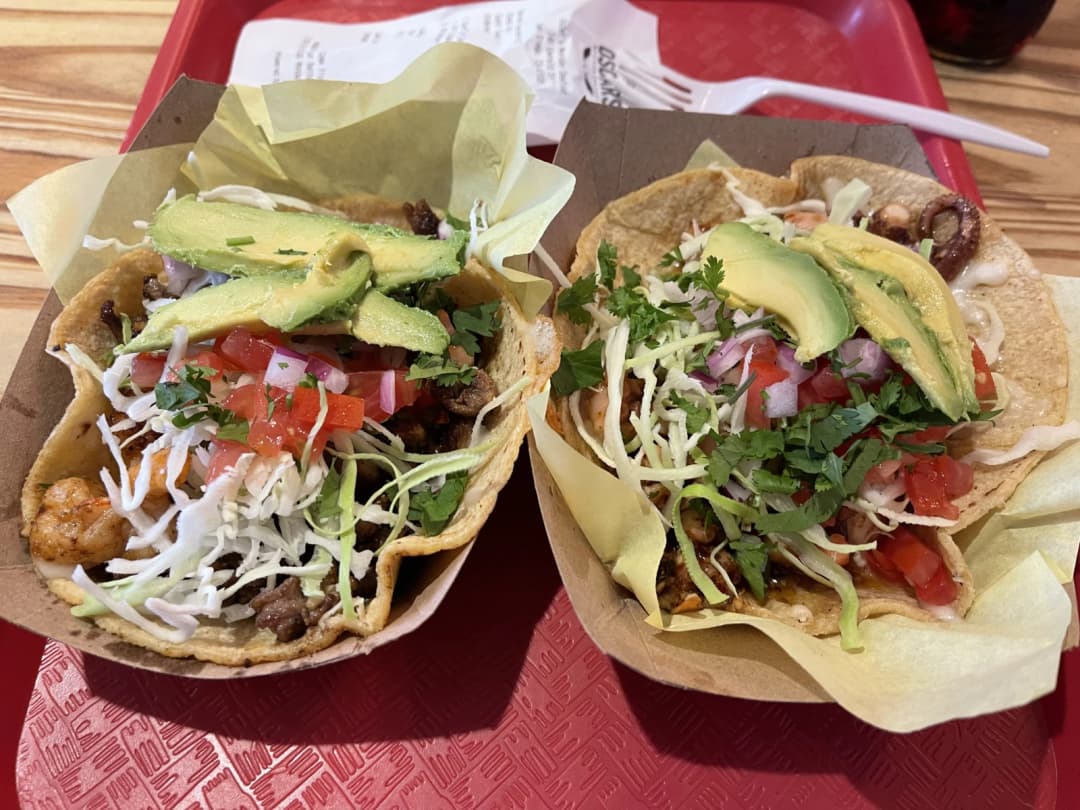
Oscar's Mexican Seafood at Pacific Beach was a culinary redemption. Their Surf & Turf and Octopus Tacos were fantastic, packed with fresh, vibrant flavors that danced on my taste buds. The seafood was fresh and perfectly cooked, making it a highlight of my post-underway meals.
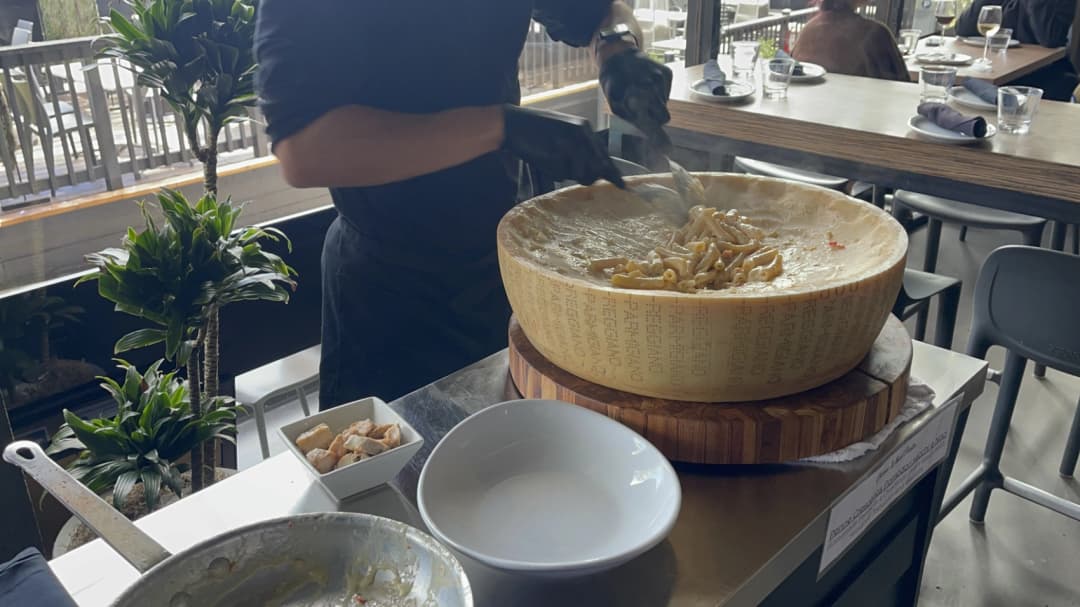
Bencotto Italian Kitchen in Little Italy provided a dining spectacle with their Cheesewheel Pasta. The homemade pasta is tossed in a massive 60lb wheel of Parmigiano Reggiano right in front of you. Paired with a calamari appetizer and topped with chicken and shrimp, this dish was indulgent and absolutely bangin'. It was a bit too much to finish in one go, so I took half back to the room for later. Definitely on the pricier side, but worth every penny.
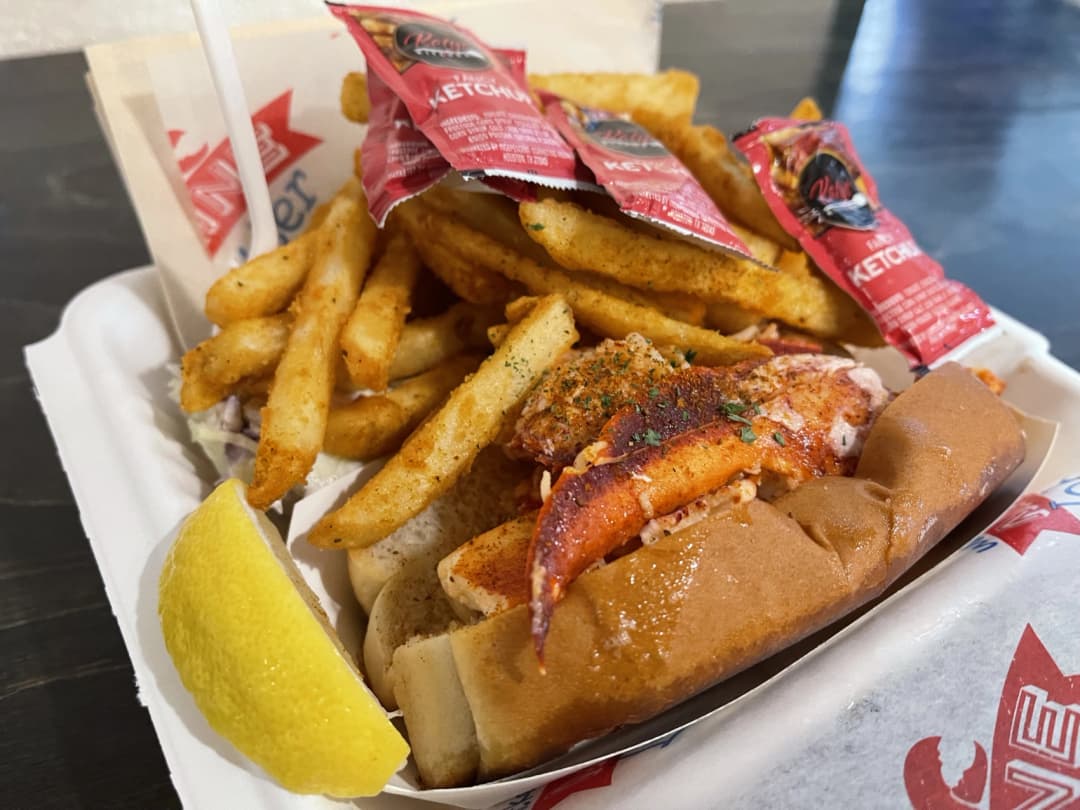
Finally, I treated myself to a Lobster Roll at Wicked Main Lobster in Liberty Public Market. As a seafood lover, this was the perfect way to wrap up my San Diego food tour. The roll was stuffed with juicy, flavorful lobster meat, hitting the spot while I killed time before my flight home. The Liberty Public Market reminded me of the Reading Terminal Market in Philly, with its bustling atmosphere and diverse food options.
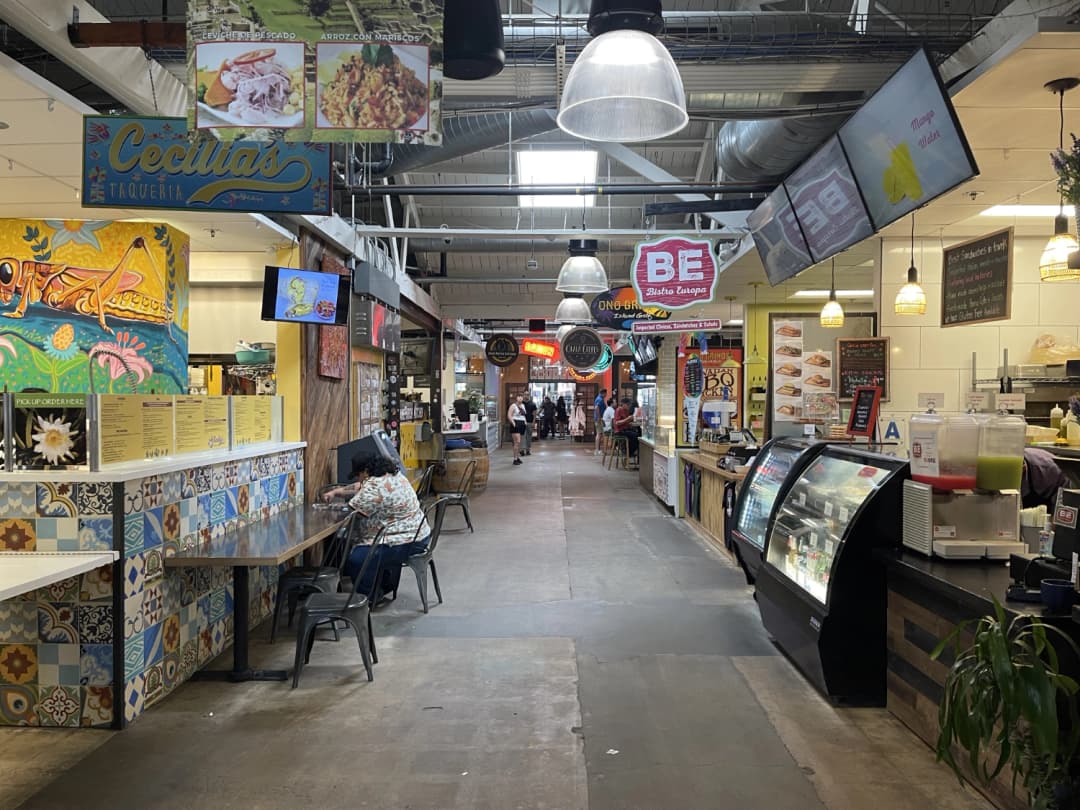
All in all, my food adventure around San Diego had its highs and lows, but each experience added a unique flavor to my journey.
Conclusion
Reflecting on my time aboard the USS Germantown, it's clear that this experience was more than just an adventure—it was a profound opportunity to build empathy and understanding for our warfighters. The Scientist to Sea program exemplifies the importance of stepping into the shoes of those we support, allowing us to see firsthand the challenges and triumphs of life at sea.
To anyone considering this program, I wholeheartedly recommend it. The insights gained and the connections made are invaluable. Understanding the daily lives and operational demands of our sailors fosters a deeper appreciation for their dedication and resilience. This experience also reinforces the importance of user-centered design—creating systems and tools that genuinely help those on the front lines. It emphasizes NIWC-PAC's Think Warfighter initiative as well, ensuring that the needs and experiences of our warfighters are central to our innovations.
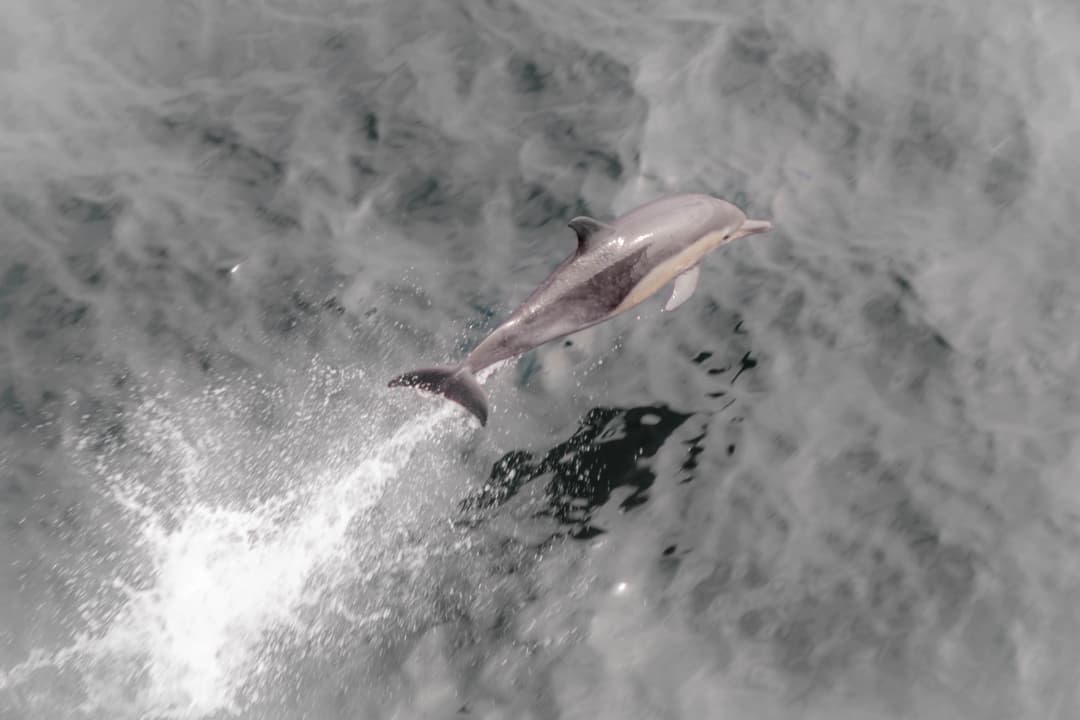
As we sailed with the USS Germantown, we were welcomed into the Navy family with open arms. The crew's professionalism, warmth, and camaraderie were evident in every interaction. From the Captain's leadership to the Chaplain's heartfelt messages, we saw a ship that runs on mutual respect and empowerment. The added bonus of seeing dolphins swimming alongside the ship was a magical touch, reminding us of the beauty of the natural world around us.
In the spirit of Navy tradition, I will follow up with thank you emails to express my gratitude to everyone who made this trip successful. A special thank you goes to the crew of the USS Germantown for their hospitality and for sharing their world with us. Your stories, expertise, and dedication have left a lasting impression.
To our warfighters: we salute you. As the saying goes, "Do not give up the ship!" Your resilience and spirit inspire us all to continue supporting you with the best tools and systems possible.
Thank you again to everyone who made this journey unforgettable. Until next time, fair winds and following seas.
If you're interested, you can find all the pictures and videos I took during this trip here. Enjoy!
See the associated LinkedIn post.
Comments
To leave feedback or questions, simply login using your preferred social network. I will read and answer your comments promptly, but please keep in mind that they will be public.