
Introduction
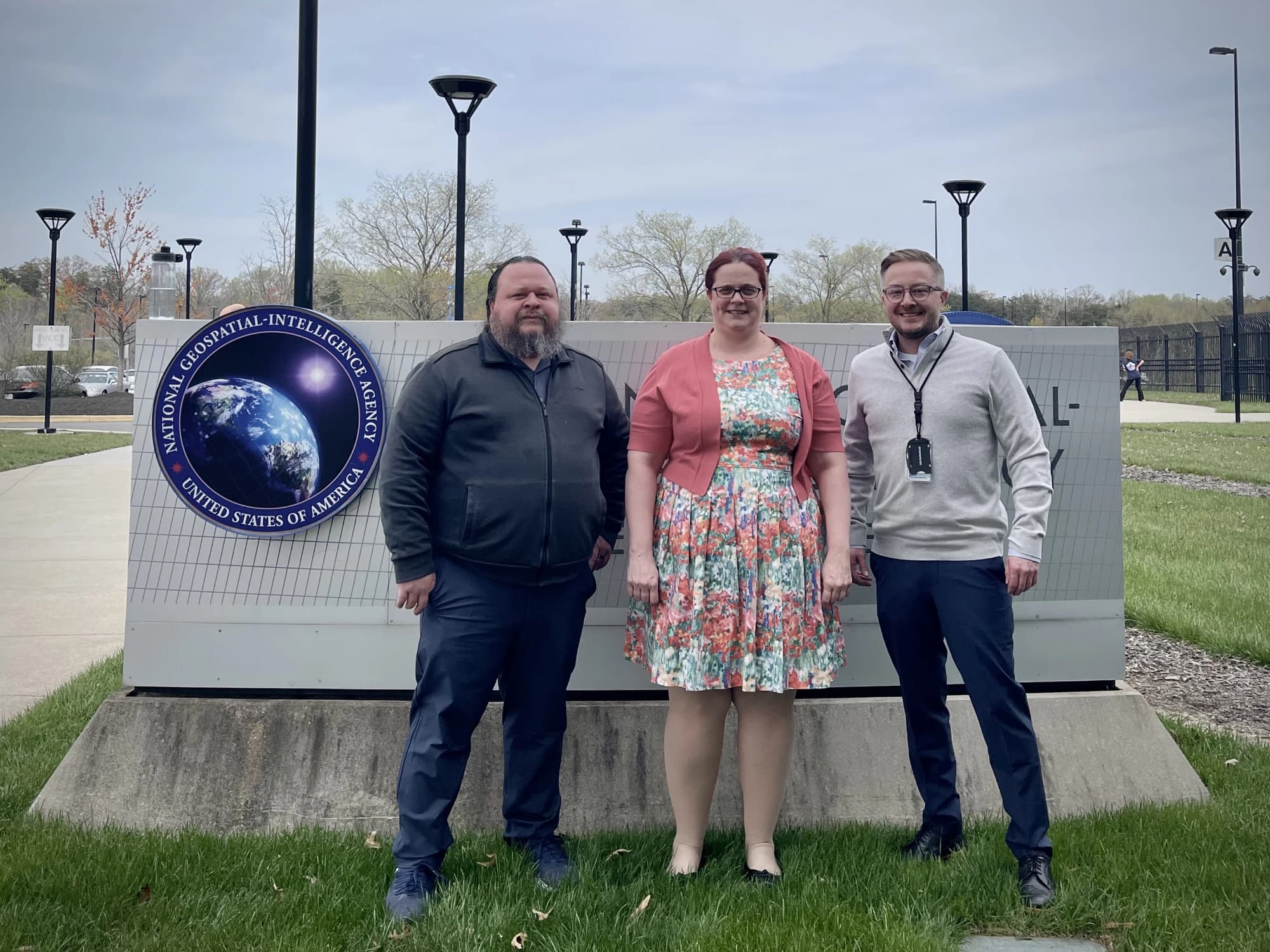
Recently, I had the opportunity to attend the Joint Targeting Automation Forum (JTAF) held at the National Geospatial-Intelligence Agency (NGA) headquarters, located on the Fort Belvoir Army Base in Springfield, Virginia. This year's conference held a poignant significance as it was dedicated to Mr. Ted Passey, a remarkable leader and advocate in the field of targeting automation, who we sadly lost recently. Mr. Passey's passion and expertise deeply influenced this domain, and his absence was felt among all of us who gathered there.
My background primarily lies in providing intelligence support to command and control and targeting systems—often a step removed from the direct action of targeting itself. This forum offered a valuable perspective on what the targeting community seeks from intelligence systems and showcased the latest advancements in targeting automation. While I cannot delve into the specific details of the discussions for obvious reasons, I noticed several overarching themes that resonated with broader trends in the defense industry. These observations have sparked some reflections on how we, as a community, can better align our efforts to meet operational needs without duplicating functions or squandering resources. Here, I share some general thoughts on these issues, hoping to contribute to the ongoing dialogue on improving our practices and tools in targeting automation and elsewhere.
The reflections and summaries I've shared stem from my personal experience and do not reflect the opinions of my employer or others.
Observations
Throughout my 20+ years in the defense industry, a recurring theme has emerged: the need for balance in every aspect of defense technology and operations. From software integration to strategic collaborations, achieving equilibrium is crucial for maximizing effectiveness and efficiency. This balance is not merely about managing resources but also about harmonizing diverse elements such as access to technology, data management, and the utilization of modern modeling techniques with the practical, often gritty realities of warfighter needs. The sections that follow delve into these critical areas, reflecting on persistent challenges and evolving solutions that I have witnessed over the years. These observations underscore the ongoing need to refine our approach to supporting those on the front lines, ensuring that our efforts in innovation truly enhance their operational capabilities.
The Imperative of Accessible Integration
For anyone involved in integration, access to APIs, data models, and a reliable test system are non-negotiable essentials. In today's environment, where remote work has become a staple, these resources ideally should be available on unclassified or IL4/5 networks to accommodate most developers. Without these foundational elements, the hope for rapid adoption and effective integration diminishes significantly.
I fully recognize the necessity of classified systems for certain sensitive operations. However, a prevailing issue that often stalls progress is the overclassification of systems intended for testing and exercise. More often than not, it's not the entire system or database that needs to be classified but rather specific sets of data.
To mitigate this bottleneck, why not have robust test systems with appropriate test data on the unclassified side? This approach would streamline processes significantly by reducing unnecessary barriers and fostering a more agile development environment. Let's aim for practicality in how we classify our resources and push for innovations that can swiftly go from concept to deployment.
Breaking Down Data Silos for Warfighter Effectiveness
As our military operations increasingly rely on distributed systems, the consistent dependency on centralized, authoritative data sources has never been more critical. Recently, I've observed a concerning trend where systems inadvertently begin to operate in isolated data silos. This phenomenon often arises from challenges such as difficult access to central systems, a lack of understanding of the importance of authoritative data, or the delayed modernization of outdated legacy systems.
The impact of these silos on warfighters can be severe. To make real-time, life-saving decisions, warfighters must have access to the most current and reliable information available. They need the ability to both retrieve and input data effortlessly, ensuring that what they are using or contributing to is the definitive source of truth.
For warfighters, the integrity of data isn't just a matter of operational efficiency—it's about confidence and trust. Confidence that they have the latest updates at their fingertips and trust that when they disseminate information, it's accurate and comprehensive for everyone who needs it.
We must prioritize making data interactions—both reading and writing—accessible at all times from anywhere. This isn't only about improving convenience; it's crucial for maintaining operational cohesion in high-stakes environments. By enhancing access to centralized data and eliminating unnecessary silos, we can streamline processes and maintain the high quality and reliability of information across all levels of operation. Let's commit to updating our data practices to support the dynamic needs of our warfighters, ensuring they have the tools they need to succeed in every mission.
Rethinking Our Approach to Modeling and Data Utilization
For the past two decades, we've found ourselves stuck in what seems like a perpetual cycle: attempting to model the world every five years. This repetitive process has not only shown limited success but also tends to culminate in academic pursuits that rarely translate into practical applications in real-world systems. These models often aim for perfection, resulting in significant delays that ultimately miss the mark when they fail to adapt to the rapidly changing global landscape.
The promise of semantic web technologies and linked data has been discussed extensively since the late 2000s. These tools are designed to enrich data sharing with deeper meaning and support artificial intelligence by creating triples that infer relationships. Despite their potential, I've seen many of these sophisticated models remain underutilized—sitting on shelves or becoming outdated before ever being implemented.
Recently, generative AI has begun to shift the paradigm by using large datasets and algorithms to create models that, while not exact, offer a new way of approaching problem-solving that doesn't rely solely on perfecting semantic ontologies. However, the accuracy of generative AI and the precision of triples and semantic ontologies depend heavily on their initial data.
I believe there's a critical need to embrace a more agile approach. We should aim to iteratively and incrementally incorporate these technologies, allowing them to evolve through real-world feedback—not just limited tests or annual exercises. This approach will enable us to adjust more dynamically to what works and what doesn't without the lengthy delays associated with striving for an unattainable perfection.
The risk of investing too much time in developing the perfect solution—or worse, developing solutions in search of a problem (a trap we've fallen into with complex standards like WS-*)—is that we end up missing practical targets. Instead of continuing in this theoretical loop, we should focus on practical implementations that provide tangible benefits and evolve based on actual needs and user feedback.
It's time to break out of the doom loop of continuous modeling and start leveraging these powerful tools in ways that genuinely enhance our ability to understand and interact with the world. Let's prioritize speed and flexibility over perfection and complexity, and drive innovations that are both practical and impactful.
Beyond Data Models: Focusing on Usability to Enhance Warfighter Capabilities
It's crucial to recognize that perfecting a data model is only part of the solution. We need to ensure that our warfighters are not just able to use the systems we develop but are also actively entering their data into these systems. Too often, despite having advanced databases, many still revert to using Microsoft Excel, which is inadequate for many of their operational needs. This points to a larger issue: our systems must not only be robust but also user-friendly and directly relevant to warfighter tasks.
To illustrate, consider a streamlined product team that includes a mix of roles—product managers, designers, and developers—who all work together using principles of Agile, Lean, and User-Centered Design:
Agile: Promotes adaptive planning and continuous improvement. Lean: Focuses on creating value for the warfighter by eliminating waste. User-Centered Design: Ensures that systems are built around the user's actual needs and conditions of use. This kind of integrated team approach helps break down barriers and encourages a seamless flow of ideas and feedback, which is crucial for creating systems that warfighters will actually use.
However, focusing on improving only one aspect, such as the data model or the interface design, is not enough. We need a holistic systems perspective that considers all elements—from data entry and user interface design to backend processing and interoperability. Without this comprehensive approach, we risk creating solutions that might excel in one area but fall short in addressing the complex, interconnected challenges faced by our warfighters.
As we move forward, let's aim to develop solutions that not only solve isolated problems but also contribute to a well-integrated system that meets the broad range of warfighter needs. By doing so, we can ensure that our efforts truly enhance their operational effectiveness and efficiency.
Addressing Duplication and Enhancing Coordination for Warfighter Solutions
The landscape of military requirements often suffers from significant duplication due to the lack of systems designated to implement them. High-level requirements are typically well-articulated, but there is no clear directive on which specific systems should fulfill them. This oversight results in multiple initiatives scrambling to pick the low-hanging fruit, ultimately leading to a plethora of half-baked solutions that inadequately address the comprehensive needs of our warfighters. Instead of a unified strategy, warfighters are forced to navigate a patchwork of disjointed solutions that only partially solve their problems.
Compounding this issue is the structure of our requirements body. While this body is adept at drafting detailed requirements, it fails to specify which programs should implement these requirements, leading to a free-for-all as various groups vie for the same projects. This not only wastes resources but also prevents the development of integrated solutions that could seamlessly operate across different platforms and services.
To effectively tackle these challenges, we need to implement better oversight and coordination:
- Centralized Requirement Oversight: There should be a centralized authority or mechanism in place to oversee the assignment and implementation of requirements, ensuring they are matched with the appropriate systems to avoid redundant development.
- Realistic Funding Allocation: Funding should be realistically aligned with requirements. Each requirement set should come with earmarked funding and a clear directive on which team or service is responsible for its execution to prevent financial overlap and competition.
- Enhanced Inter-Service Collaboration: Stronger collaboration among different military services and departments is essential. This would encourage the sharing of resources, ideas, and technologies, reducing duplication and enhancing the quality of the solutions developed.
By addressing these key areas, we can significantly reduce inefficiencies and equip our warfighters with more reliable and effective tools. It's time for a unified approach that moves beyond siloed efforts, fostering joint solutions that genuinely meet the diverse needs of those on the front lines. This comprehensive strategy will ensure that innovations and improvements meaningfully enhance operational capabilities across all areas.
Enhancing Collaboration with Allied and Coalition Partners
In any near-peer or pacing challenger conflict in the future, the role of allied and coalition partners cannot be overstated. These partners are crucial to the success of collective defense measures and operational strategies. However, too often, they are treated as an afterthought, with solutions and integrations delayed by years after initial development phases. This delay can significantly hinder the effectiveness and responsiveness of combined efforts.
To address these challenges, it is imperative that we involve our allies and coalition partners from the very outset of any project or operation. Establishing robust lines of communication and collaborative frameworks from day one ensures that all parties are equipped with the necessary tools and information, enhancing interoperability and strategic alignment. Moving forward, improving these processes and prioritizing early involvement will not only enhance trust and cooperation but also streamline the execution of joint missions, making our collective defense posture much stronger and more adaptive to emerging threats.
The Importance of Collective Memory in Defense Architecture
A major challenge within defense projects is the absence of a coherent overall architecture or big picture, which can significantly impede progress and efficiency. Often, new personnel come on board without a deep understanding of historical workflows and decisions. This lack of "collective memory" leads to the creation of modernized programs that may fail to reach the warfighter effectively, thereby wasting time and resources on functionalities that could have been implemented more efficiently elsewhere.
Moreover, there is a widespread issue with the lifecycle of software in defense systems—commonly referred to as "software rusting." While modernization is necessary, it frequently occurs in an ill-informed and shortsighted manner. Upgrading legacy systems without a clear, informed strategy can introduce numerous unforeseen complications. Therefore, modernization efforts must be underpinned by robust, well-funded software practices that are both realistic and forward-thinking. It is crucial to maintain an institutional memory that can guide new developments in a way that builds on past successes and learns from previous setbacks, ensuring that modernization efforts enhance capability without redundancy or inefficiency.
NGA Swag
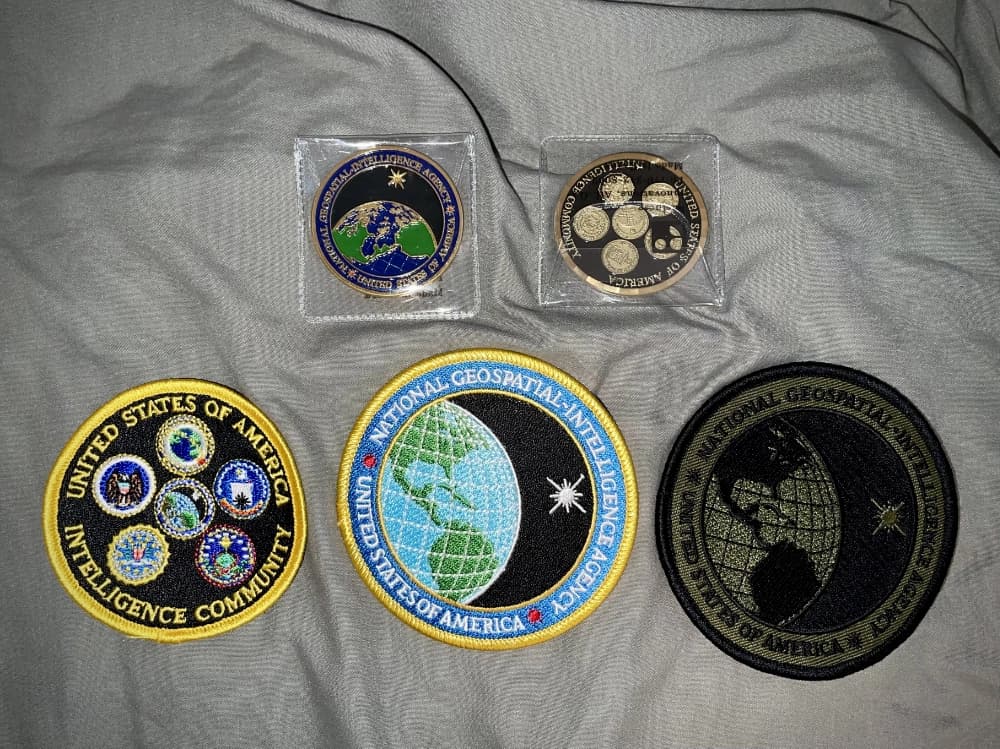
Visiting the new NGA campus was an experience filled with both intrigue and indulgence. As is tradition across Intelligence Community (IC) agencies, the swag stores on-site did not disappoint. These stores often carry an array of memorabilia, including the iconic "secret squirrels"—stuffed animals emblazoned with the agency logo that hark back to various intelligence community stories and lore. During my visit, I was able to add to my collection of badges and coins, capturing a little piece of history from each.
The architecture of the NGA's semi-new campus building itself is a marvel, resembling the shape of an eye from above. This design choice, whether intentional or coincidental, seems fitting for an agency focused on surveillance and oversight. Beyond the confines of the building, the local area offers a variety of great restaurants, providing perfect spots for both casual and formal meet-ups. The entire atmosphere of the campus underscores the blend of strategic significance and community spirit that characterizes much of the IC.
See the associated LinkedIn post.
Comments
To leave feedback or questions, simply login using your preferred social network. I will read and answer your comments promptly, but please keep in mind that they will be public.