
Introduction
I didn't think the trip was going to happen. Even with a signed Joint Staff memo in hand, the travel ban still loomed like a wall that wouldn't budge. Weeks ticked by. Every morning started the same: open the inbox, scan for the subject line that might say we were cleared to go. Nothing. Then a glimmer of movement—questions asked, forms resubmitted, approvals "in process." But even then, there was no guarantee.
It took over a month to get approval. A month of emails, follow-ups, and quiet backchannel nudges. A month of staring at a calendar that wasn't waiting for anyone. By the time the green light finally came through, I was already mentally on the ground at Peterson. We had work to do—important work. The kind you can't just Zoom in for.
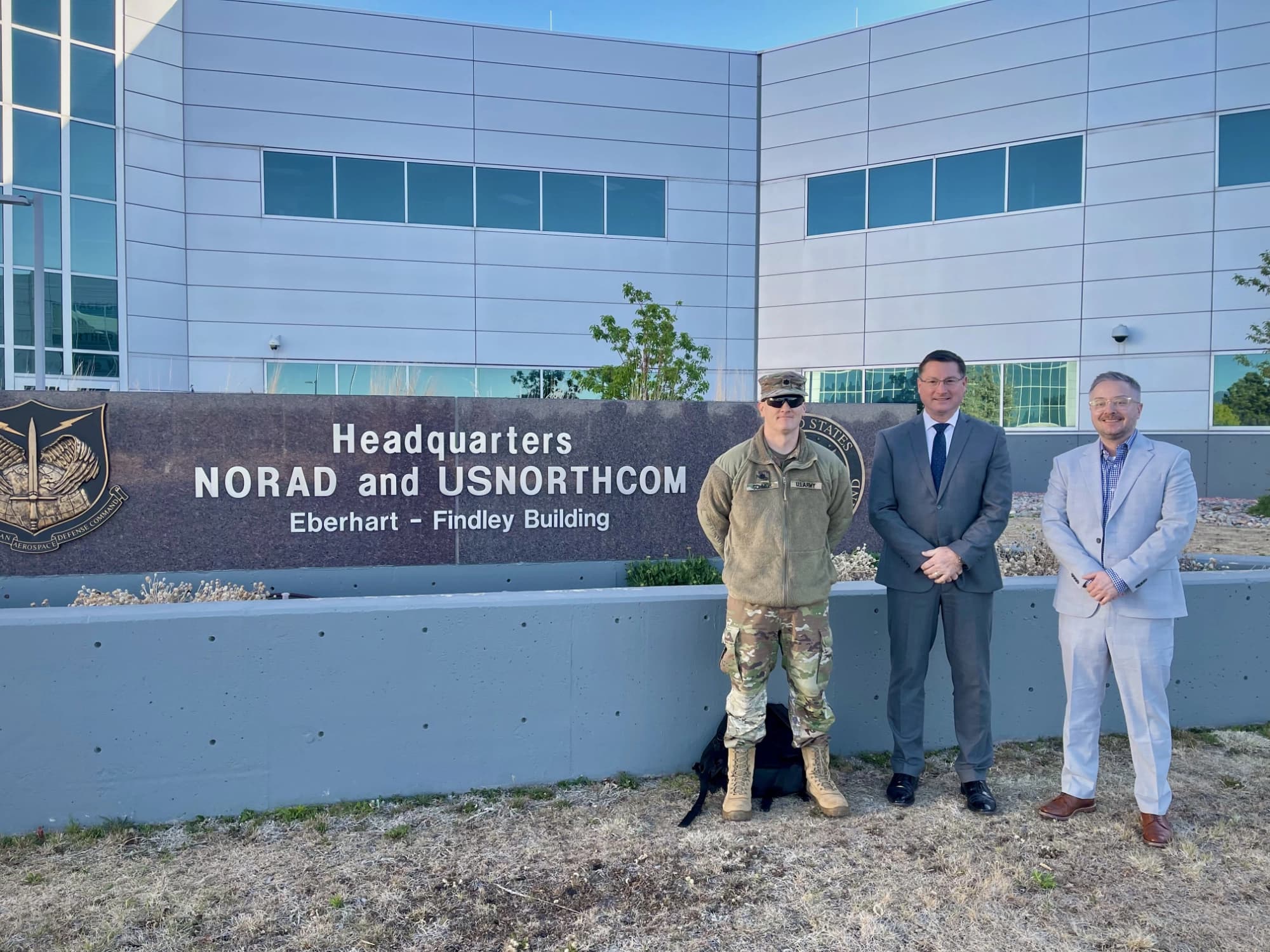
This wasn't just another site visit. It was a chance to walk the floors of NORAD and NORTHCOM, see the new tools in motion at SPACECOM, and sit down with the people in the trenches at the Mission Management Center. You can only learn so much from PowerPoint decks and after-action reports. Sometimes, you've got to show up, shake hands, and ask the hard questions face to face.
SAV
Staff Assistance Visits—or SAVs—aren't inspections. They're not audits either. Think of them more like field consults: a chance to sit down with the folks actually doing the job, hear what's working, what's broken, and what's just plain confusing. It's part diagnostic, part feedback loop, and ideally, part bridge-building. For this trip, NORAD and NORTHCOM were the only commands on the docket for a full SAV.
The first morning at Peterson started early. The air was thin—literally, thanks to the altitude—and brisk even in the sun. The mountain range loomed in the distance while we passed through the layered security checkpoints and made our way to the heart of the command. The pace inside was steady but not hurried. People had that look you see in well-run ops centers: alert, under pressure, but steady.
From the jump, it was clear we weren't going to be easing into anything. Within the first few hours, I heard someone mutter, "The CIP is a hot mess." Not a complaint—just a matter-of-fact statement. And it tracked. What we saw was a disconnect I've seen before but never this sharply drawn: smart, driven analysts trying to make sense of fractured tools, juggling multiple systems that don't talk to each other, and working around processes that weren't built with their realities in mind.
Our job wasn't to judge—it was to listen and document. The SAV is about surfacing the friction points that slow down missions and then figuring out whether the problem is policy, people, tech, or some cocktail of all three.
But what stood out just as much as the problems was the professionalism. Everyone we met was generous with their time, open with their assessments, and grounded in the mission. Even with staffing shortfalls and tool gaps, the commitment was unmistakable. There's no replacement for sitting across the table from someone and hearing, unfiltered, how the mission is really going.
North American Aerospace Defense Command (NORAD) and U.S. Northern Command (USNORTHCOM)
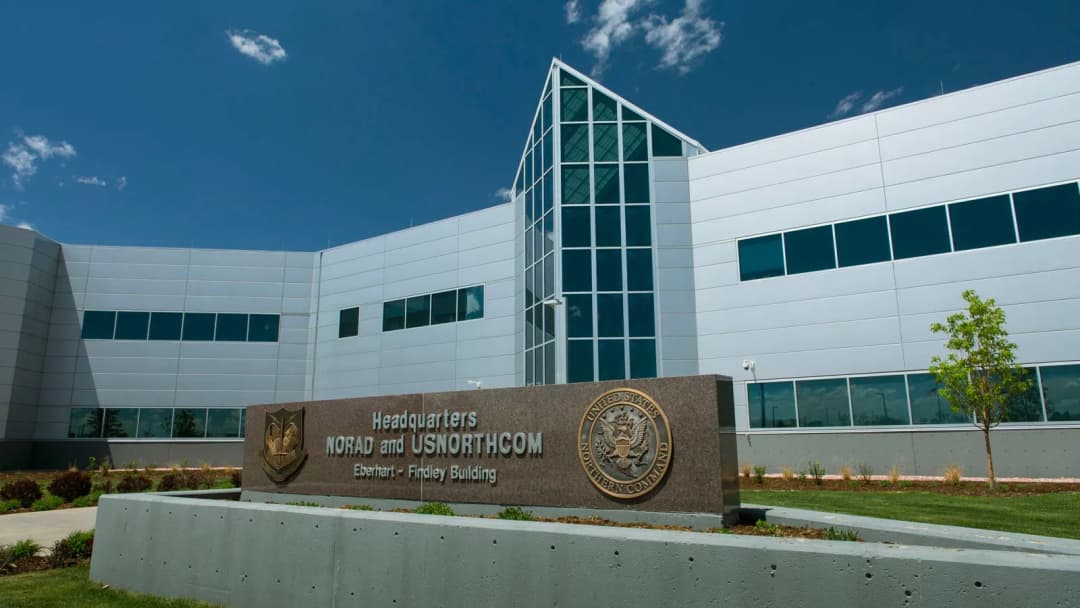
NORAD and NORTHCOM operate out of a place steeped in history and mission. NORAD—short for North American Aerospace Defense Command—has stood watch over the skies since 1958, a unique binational partnership between the United States and Canada forged in the crucible of the Cold War. Its sibling, U.S. Northern Command (NORTHCOM), was established in the aftermath of 9/11, charged with defending the homeland not just from threats in the air, but across all domains—air, land, sea, space, and cyber.
That mission has never felt more real—or more stretched.
Recent presidential directives have shifted NORTHCOM into what many there quietly refer to as a "war footing." The designation of Mexican cartels as foreign terrorist organizations, combined with the declared emergency at the southern border, has transformed their daily focus. Intelligence, surveillance, and coordination efforts have intensified to track cartel movements and high-value individuals operating near and across the border. It's a dynamic, fast-moving challenge, with ripple effects that touch everything from red force tracking to threat warnings for U.S. soil.
At the same time, NORTHCOM has taken on increased responsibility for monitoring the growing number of unidentified drones over the continental U.S.—especially along the eastern seaboard—and is deeply engaged in efforts to secure domestic infrastructure under the Golden Dome initiative, a layered homeland defense concept designed to shield critical nodes like the power grid, telecom networks, and transportation corridors.
All of this unfolds in a climate of constraint. Due to the Deferred Resignation Program (DRP), a substantial portion of the command's experienced civilian workforce opted to separate early, leaving gaps that haven't been filled. The ongoing DoD hiring freeze has only deepened the problem. What you see across the command is a team of incredibly capable professionals—military, civilian, and contractor—doing more with less, stretching to cover roles that once had dedicated leads.
And they're not doing it alone. Homeland defense is a team sport. NORTHCOM's mission demands close coordination with interagency partners and civil authorities—from law enforcement and FEMA to Customs and Border Protection and state emergency managers. The coordination is complex, often painstaking, and absolutely necessary. In many cases, NORTHCOM becomes the connective tissue—linking federal capabilities to civilian responders across a patchwork of jurisdictions.
What becomes clear on the ground is that this command isn't just standing watch anymore—it's actively adapting to a shifting threat landscape, rewriting the playbook as it goes. The mission has never been more critical, and the stakes have rarely felt this high.
Site Visits
While the Staff Assistance Visit at NORAD and NORTHCOM was the primary focus of the trip, it wasn't the only opportunity to connect with teams on the ground. Two additional site visits—one to U.S. Space Command (SPACECOM) and another to the Mission Management Center (MMC)—offered valuable perspective on how other organizations are tackling the challenges of modern defense. These weren't check-the-box stops. They were conversations with professionals who are building the future of command and control from the ground up, each with a very different lens.
U.S. Space Command (USSPACECOM)
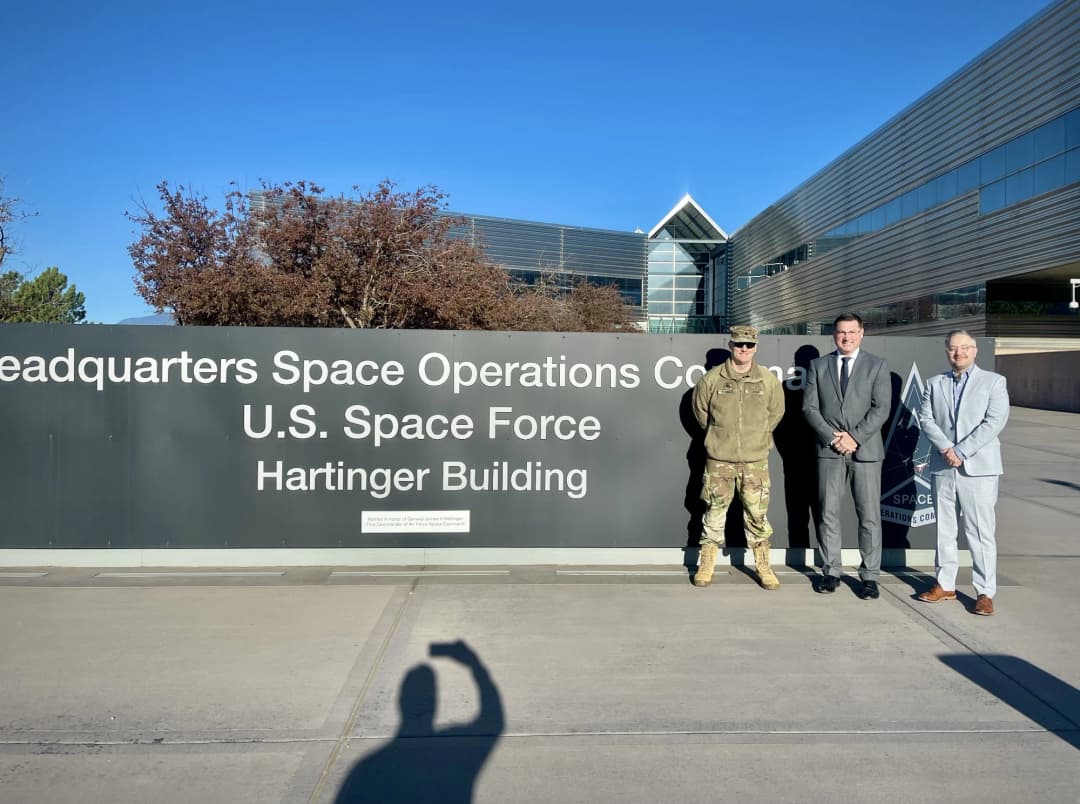
Space Command is still young in its current form, but you wouldn't know it by the clarity of its mission. Reestablished in 2019 amid growing concerns about space as a contested domain, SPACECOM is charged with everything from tracking objects in orbit to ensuring freedom of action for U.S. and allied forces operating in and through space.
Walking through the command, what stood out was the momentum. You get the sense that this is a team building fast, with purpose. While they're still standing up infrastructure and refining tools, there's no lack of ambition—or direction. It's clear they understand the stakes. Their focus on space domain awareness, satellite operations, and missile warning isn't theoretical. It's mission-essential. And as the rest of the joint force becomes increasingly reliant on space-based capabilities, SPACECOM's role as a connective node is only going to grow.
The visit reinforced just how quickly the space mission set is evolving—and how seriously the team is taking its responsibility to integrate into the larger defense enterprise.
Mission Management Center (MMC)
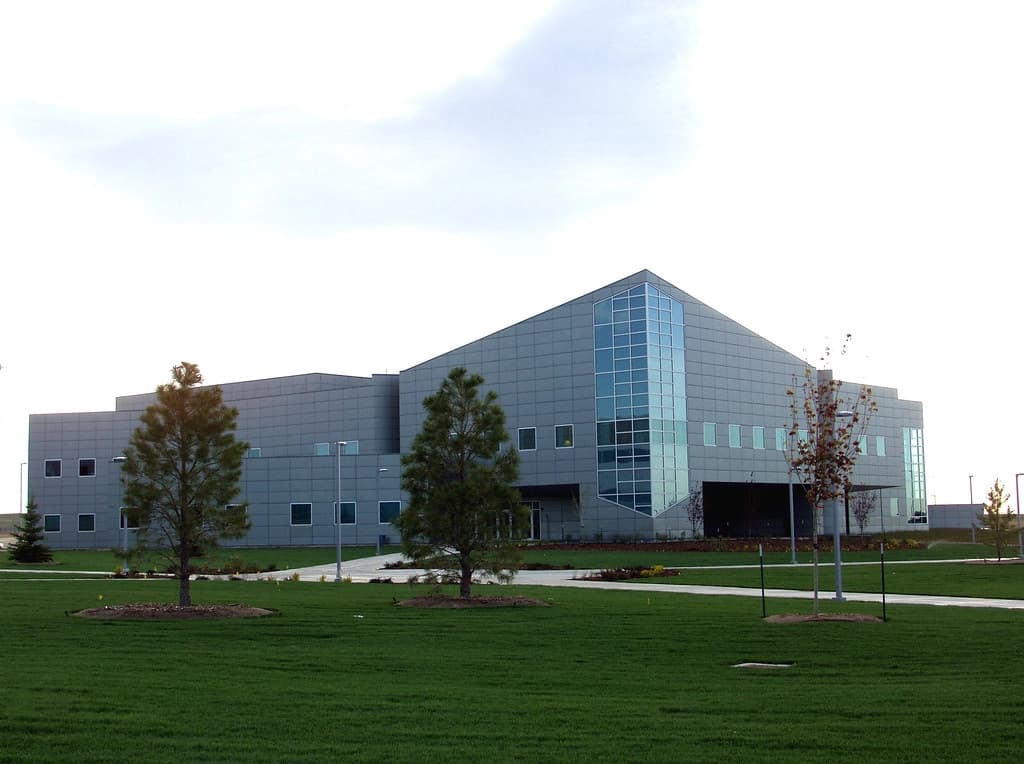
Tucked next door to NORTHCOM, inside the U.S. Army Space and Missile Defense Command (USASMDC) building, the MMC operates in a far less visible—but no less vital—space. Their mission isn't flashy, but it's foundational: preventing fratricide and enabling accurate friendly force tracking. That may sound dry on paper, but in practice, it's the kind of work that saves lives and preserves trust in coalition operations.
The MMC supports not just homeland defense but also a range of global operations, feeding into the broader joint and coalition picture. Their job requires precision, speed, and an unwavering commitment to getting it right—because the margin for error is razor-thin.
What stood out during the visit wasn't just the capability, but the posture. Quiet confidence. Technical rigor. A sense of being mission-critical without needing to advertise it. The kind of team that keeps the machine humming, even if most never know they're there.
Swag
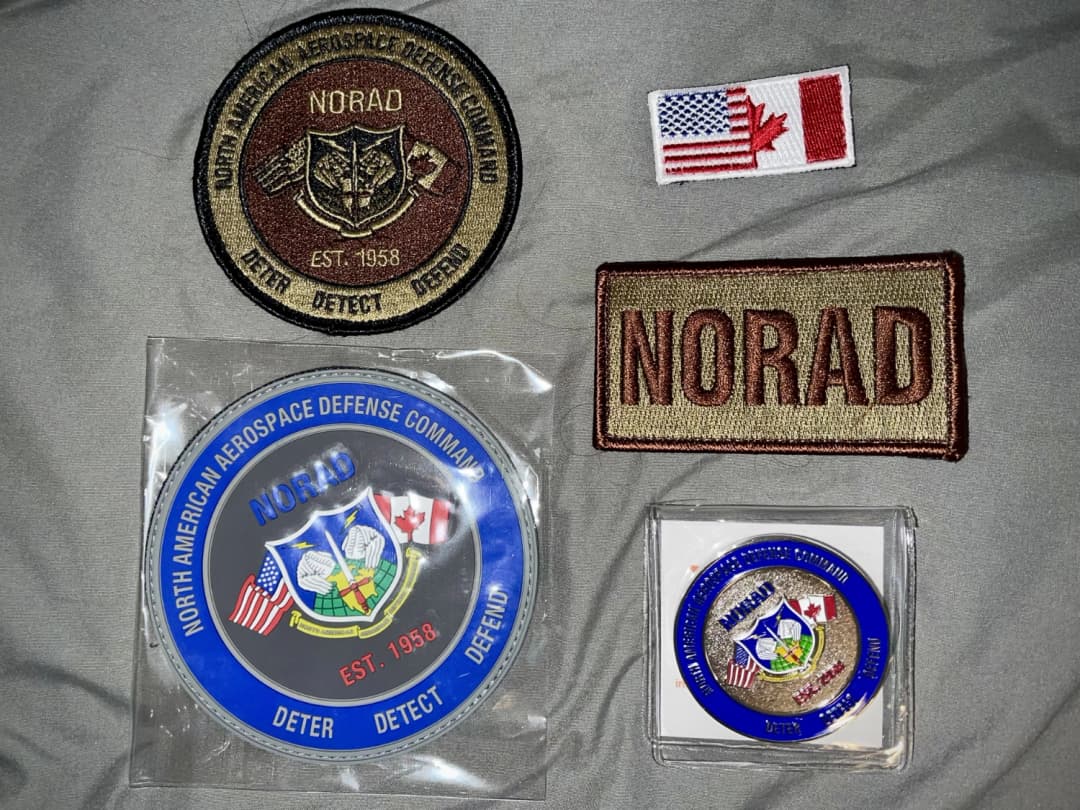
No trip like this is complete without bringing home a few mementos. I picked up a couple of NORAD patches and coins—classic designs that carry the weight of history behind them. There's something about holding one of those challenge coins in your hand that makes the mission feel a little more tangible.
While swinging through the BX, I couldn't pass up a sharp-looking Space Force jacket—one of those "BX Specials" you don't find anywhere else. Don't laugh - I'm a sucker for that stuff. A few more patches and coins made their way into my bag from various stops throughout the week. Nothing too flashy, just enough to mark the miles and moments from a trip that packed in a lot more than just meetings.
These small tokens may not say much on their own, but for those of us who live and breathe this mission space, they're a quiet reminder of where we've been—and why it matters.
Colorado Springs, Colorado Tourism
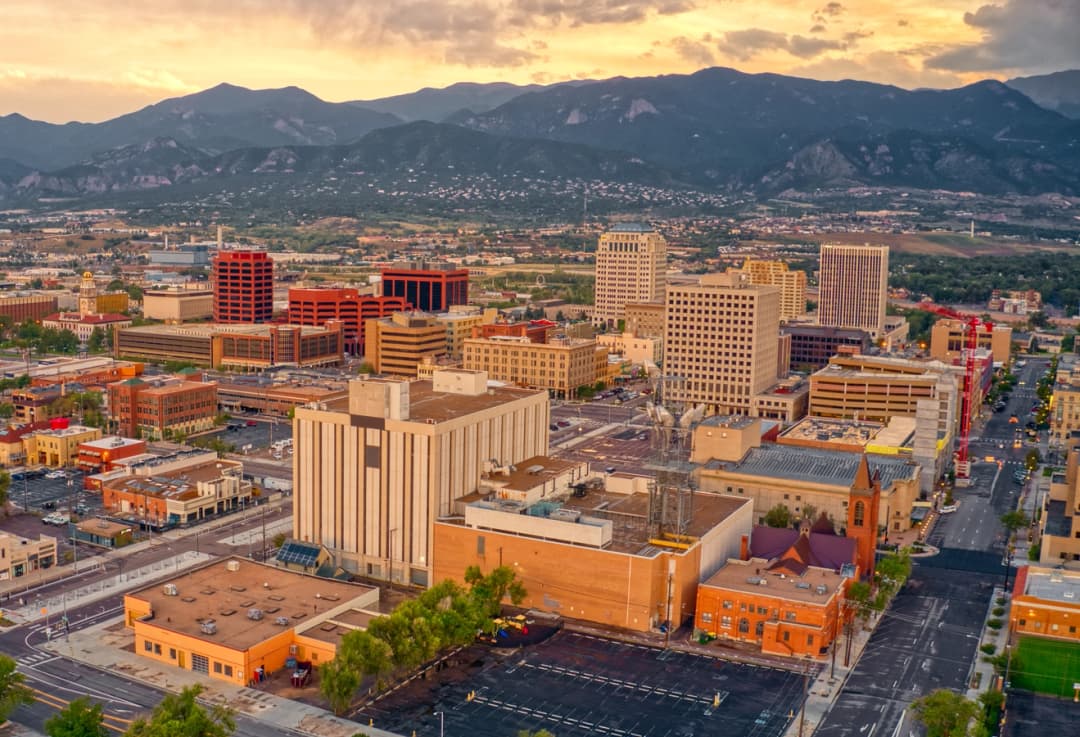
Set against the dramatic backdrop of the Rocky Mountains, Colorado Springs blends small-town charm with deep military roots and a surprising splash of hippie energy. As the home of NORAD, NORTHCOM, and SPACECOM—not to mention the Olympic Training Center and a host of military academies—this town pulses with a mix of precision, patriotism, and laid-back outdoor enthusiasm. I stayed at the Hilton Garden Inn Downtown, conveniently located for both work and post-shift exploration. Pike's Peak loomed in the distance all week, snow-capped and stoic, while the weather ranged from sunny and crisp 60s to occasional bursts into the 70s, with just one rainy day the whole trip.
The altitude, though, hit quickly. The first day brought a mild headache and some dehydration—nothing a few extra water bottles and a good night's sleep couldn't fix, but a good reminder that you're nearly 6,000 feet above sea level even before hiking begins.
Garden of the Gods
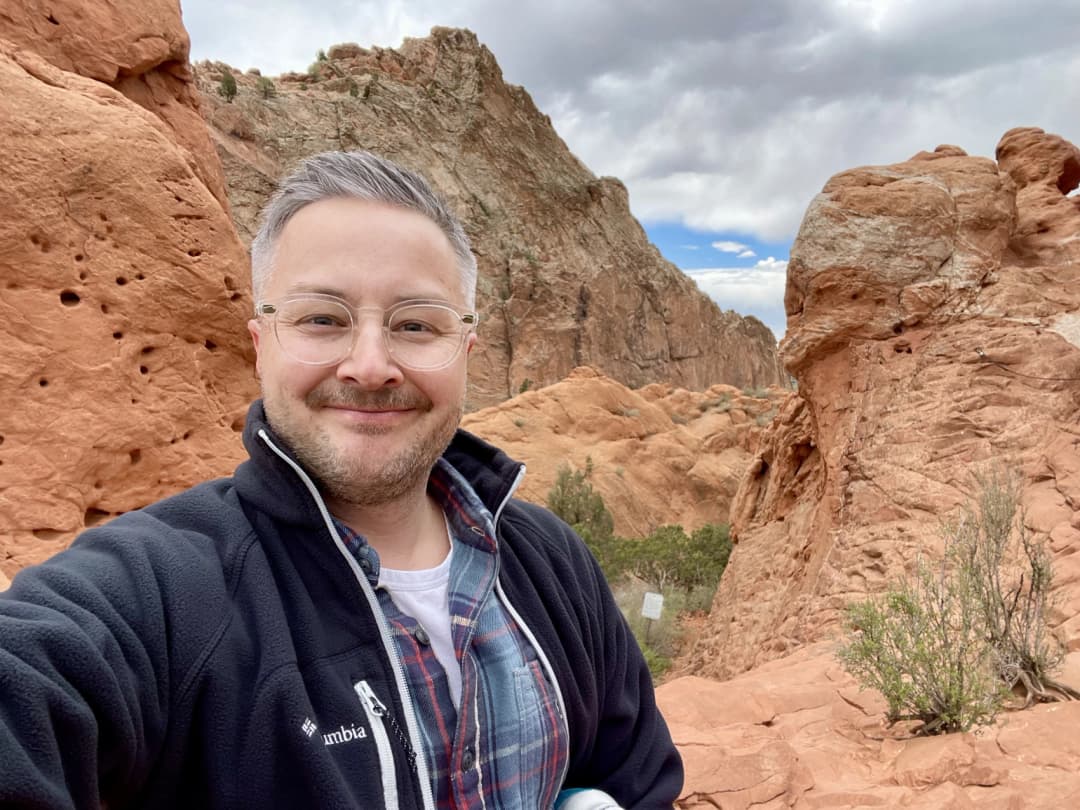
One evening after work, a group of us made our way to Garden of the Gods—and it didn't disappoint. This stunning park is filled with towering red rock formations that look like they've been frozen mid-eruption. Designated a National Natural Landmark, the area was gifted to the city in 1909 with the stipulation it always remain free to the public. The hike through the central loop was easy to moderate, with wide paved trails and side paths that let you get right up to the formations. The whole place felt otherworldly, especially as the sun started to set and the rocks lit up in deep reds and oranges.
Rock Ledge Ranch Historic Site
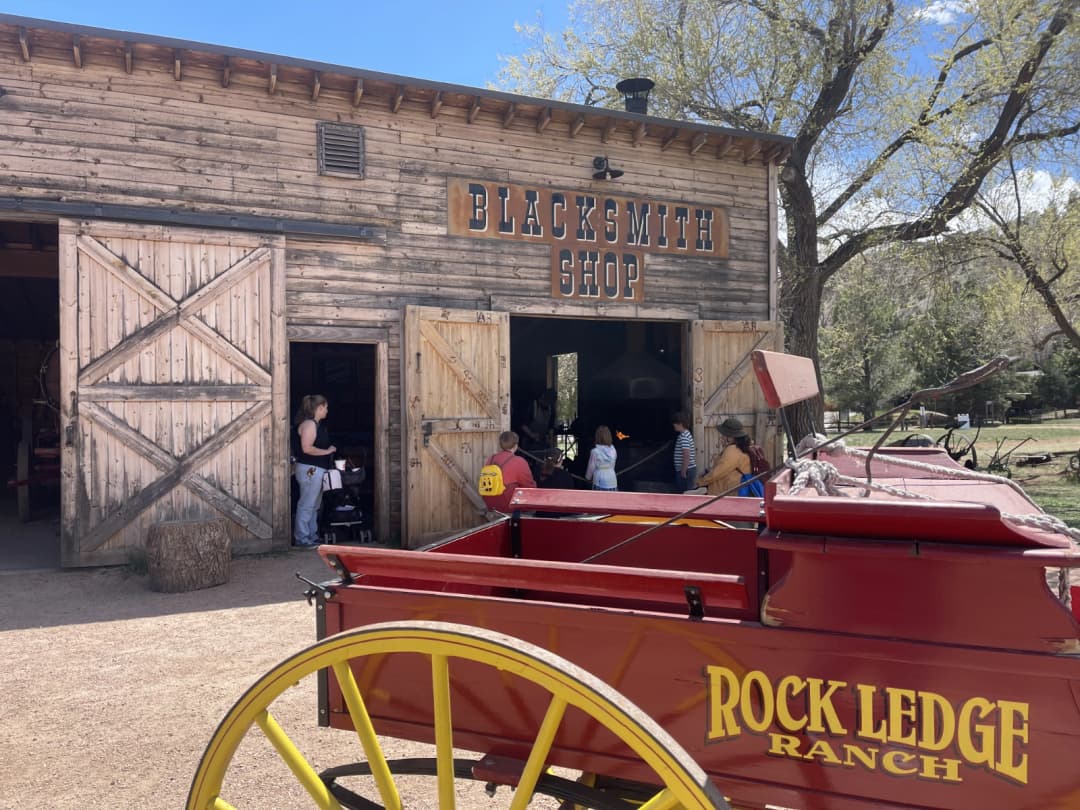
After hiking Garden of the Gods, we wandered into Rock Ledge Ranch, a living history museum adjacent to the park. The ranch showcases life in the Pikes Peak region from the 1770s through the early 1900s, with restored buildings and costumed interpreters. We didn't catch a live demonstration, but we did stroll the grounds and explore the preserved cabins and Victorian-era homes. It's a quiet, shaded place—perfect for cooling down and soaking in a little regional history.
Manitou Springs
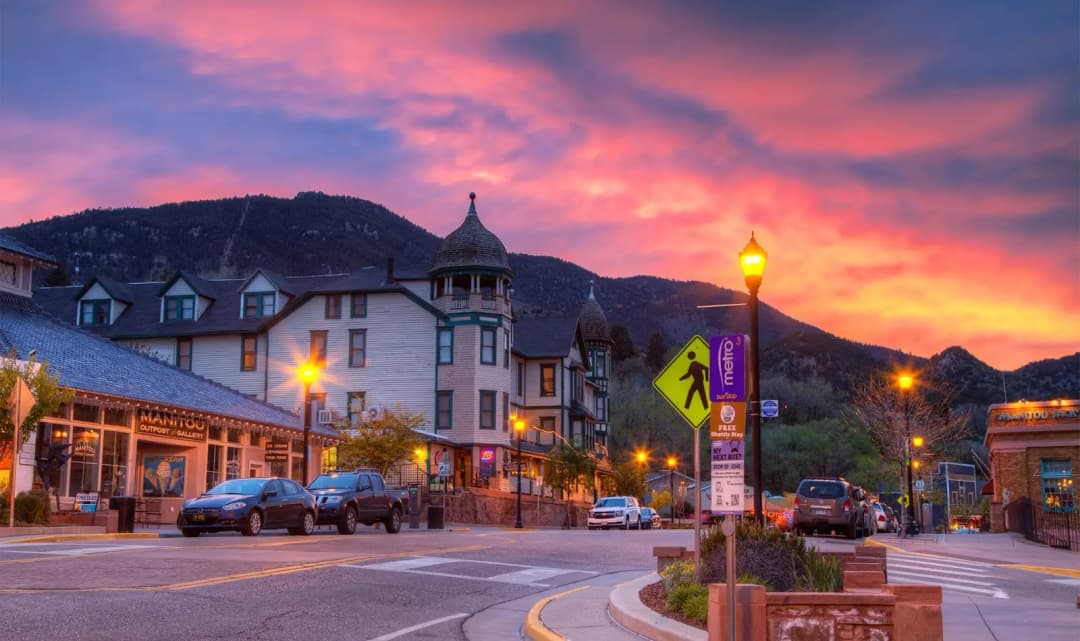
Later that night, I stopped by Manitou Springs for a nighttime walk. This quirky little town sits at the base of Pike's Peak and serves as the gateway to both the Barr Trail and the historic cog railway to the summit. The town has a classic western facade with an eclectic soul—art galleries, metaphysical shops, taffy stores, and cozy cafes line the streets. I ducked into the local library, which is one of the early Carnegie-funded libraries, and admired the old-school charm. The whole area has a healing vibe—fitting, since the springs were once believed to have restorative properties.
Food
Colorado Springs may be a military hub, but its food scene punches well above its weight, especially in the downtown area. Here's where I ate during the trip:
- Starbucks: Daily morning stop for a Flat White, Evolution Defense Up juice, and kale & mushroom egg bites.
- Jose Muldoon's: Grabbed takeout my first night—shrimp ceviche, guac with chips, and a braised beef burrito. Solid meal, but they forgot utensils, which turned dinner into a bit of a balancing act.
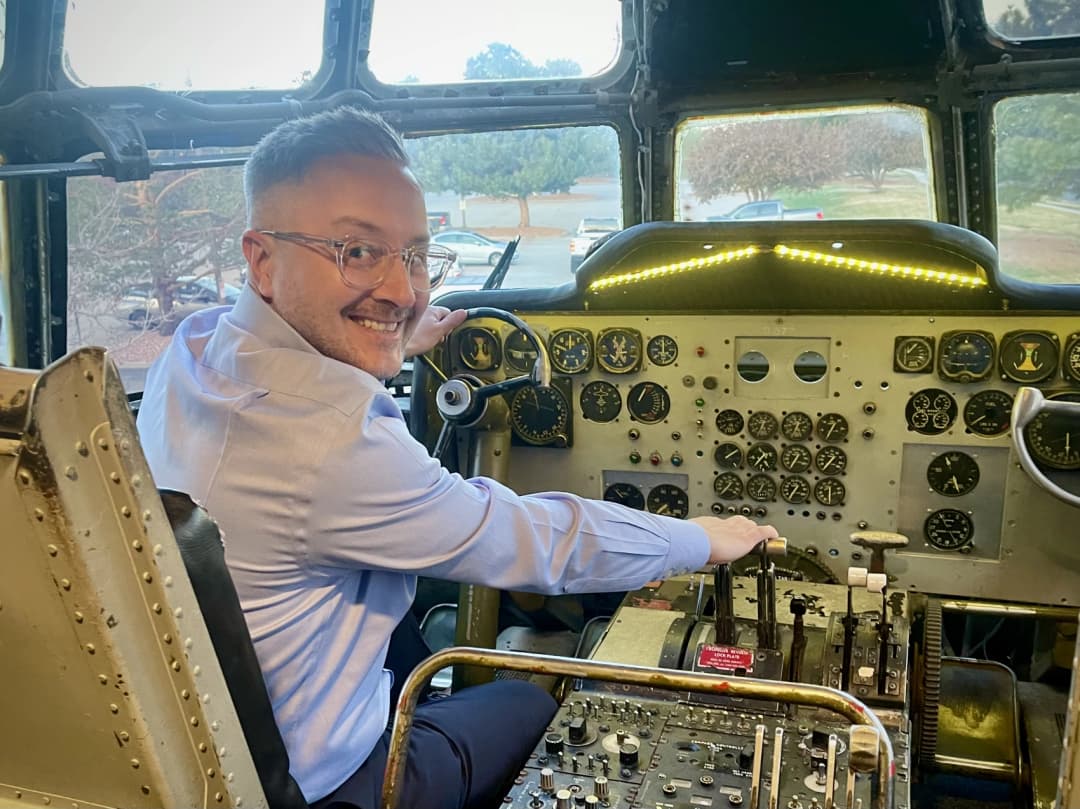
- The Airplane Restaurant: A retrofitted KC-97 refueling aircraft turned into a restaurant—dined inside the plane, peeked into the cockpit, and enjoyed both dinner (salmon) and lunch (fried shrimp and cheese sticks) here.
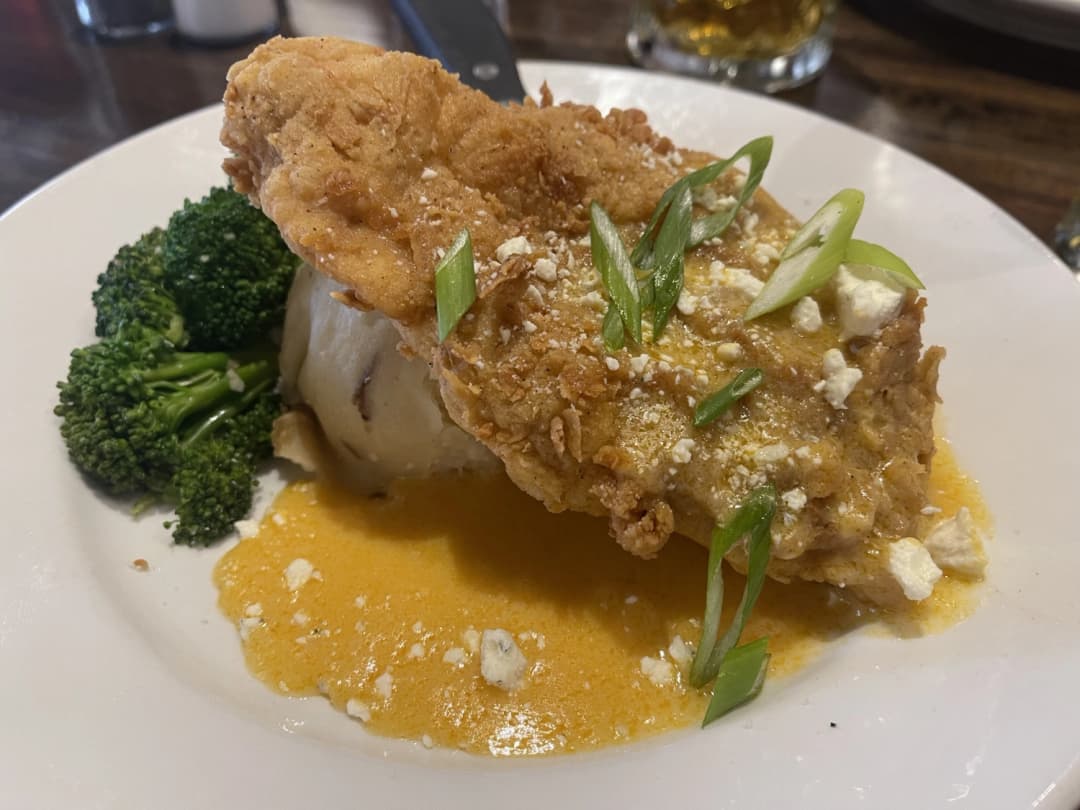
- Phantom Canyon Brewing Co.: Favorite of the trip. Staff recommended the Lemon Tabasco Fried Chicken, a recipe unchanged in over 35 years. That sauce was something else—zesty, spicy, unforgettable.
- Red Leg Brewing Company: Great beer, recommended by Peterson Space Base locals. Their rooftop and outdoor cargo-container food court setup was fun and casual.
- Chef Bob's Lobster Trap (at Red Leg): Lobster roll and mac & cheese—delicious but small portions for the price.
- Jack Quinn's Irish Pub: Authentic vibe with live Irish music. I went with the steak and mushroom pies—comfort food done right.
- Rudy's "Country Store" and BBQ: Classic Texas BBQ chain—brisket, sausage links, and their iconic sauce brought back memories from my trips to Texas.
- Meat the Greek (at Peterson BX): Fast Greek food with a standout lamb gyro and Greek fries. Quick, satisfying, and flavorful.
Conclusion
There's only so much you can learn from behind a desk. Walking the halls of NORAD and NORTHCOM, listening to the operators at SPACECOM, and spending time with the quiet professionals at the MMC reminded me why these trips matter. It's not just about checking systems or validating processes—it's about showing up. It's about the conversations between meetings, the quiet honesty from a watch officer, or the offhand remark that tells you more than a slide ever could.
Everywhere we went, the story was the same: people doing hard work under pressure, often without enough resources, but still finding ways to move the mission forward. Despite the churn, the hiring freezes, the evolving threats—there was no shortage of purpose. These teams aren't waiting for perfect conditions. They're executing.
It's easy to talk about homeland defense in abstract terms—systems, layers, domains. But underneath it all, it's people. People making judgment calls. People building tools. People who care deeply, even if you'll never see their names in a press release.
Trips like this remind you of the human side of national defense. And they make you grateful that—despite the frictions and gaps—there's still a deep well of professionalism holding it all together.
See the associated LinkedIn post.
Comments
To leave feedback or questions, simply login using your preferred social network. I will read and answer your comments promptly, but please keep in mind that they will be public.