
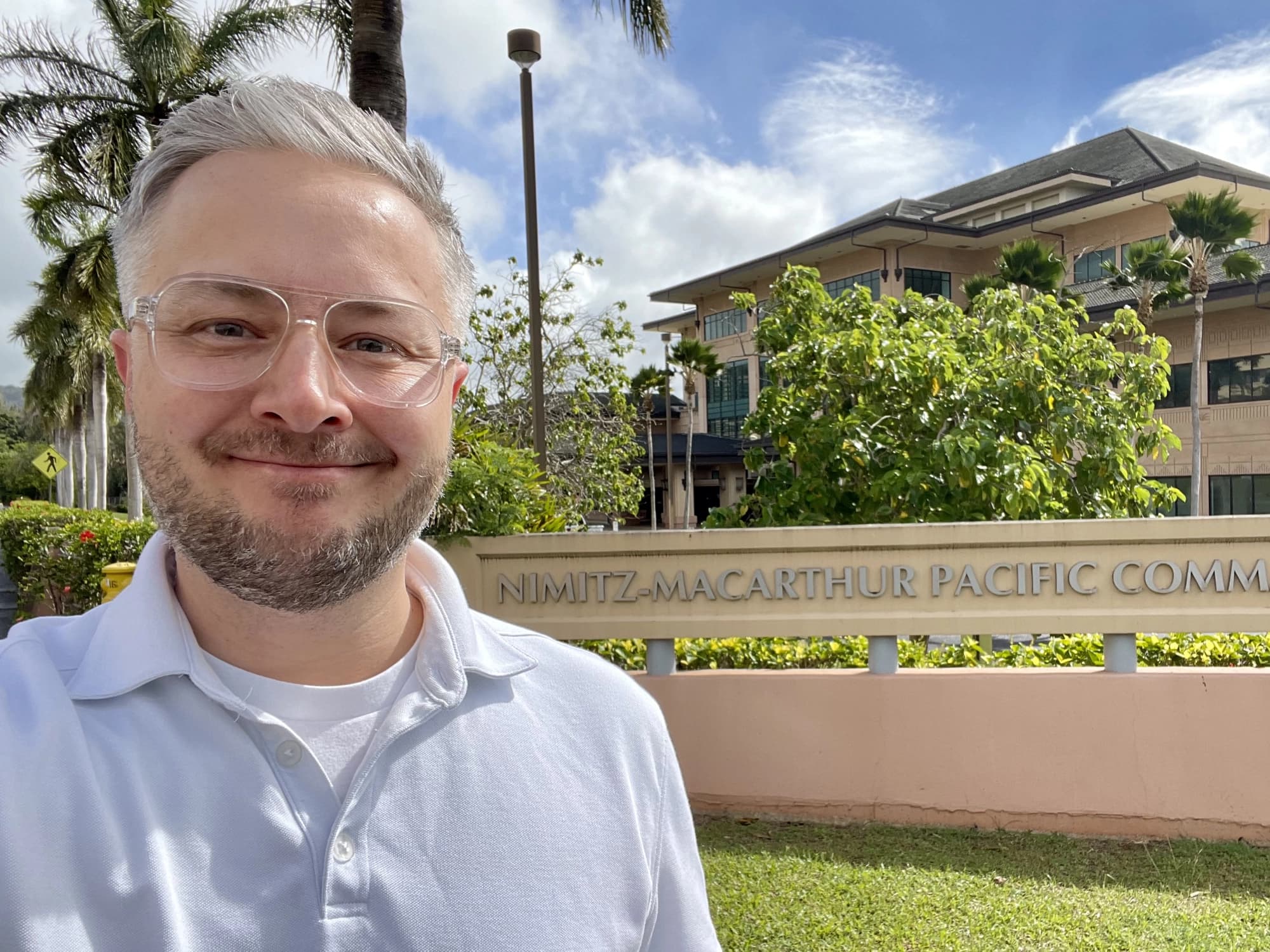
Introduction
Oahu is a destination that lives in the sweet spot between work and wonder. On one side, my journey brought me to the command centers and operational hubs of USINDOPACOM, where the mission is as vast and dynamic as the Pacific itself. On the other, the island revealed its tranquil beauty and cultural richness, offering a respite from the demands of a Staff Assistance Visit (SAV).
This trip was unlike others, blending the intensity of mission-focused engagements with moments of serene discovery. From the bustling energy of command centers to the tranquil beauty of Oahu's landscapes, every aspect of the journey offered a new perspective. The island's vibrant contrasts—dynamic operations alongside peaceful escapes—made it an unforgettable experience.
In the sections that follow, I'll guide you through my experience—first, the SAV, with its insights into the critical missions of USINDOPACOM and its subordinate commands. Then, the moments of pause and exploration, where Oahu unfolded its treasures: peaceful temples, cinematic landscapes, and flavors that are as bold and diverse as the island's history.
SAV
The Staff Assistance Visit (SAV) to Hawaii, home of United States Indo-Pacific Command (USINDOPACOM), provided an in-depth review of the capabilities and readiness of the Command Headquarters and its Subordinate Component Commands to manage the critical elements of the Common Operational Picture (COP) and Common Intelligence Picture (CIP). These visits are an essential part of the Joint Staff's mission to assess and enhance situational awareness and operational readiness across Combatant Commands (CCMDs), ensuring they meet the standards outlined in CJCSI 3151.01D for reporting, data management, and operational support. Tasked under CJCSI 3151.02A, the SAV evaluates a wide range of areas, from Manning and Training to Data Governance and Security Implementation.
For this SAV, we assembled a highly skilled team of Joint Staff Subject Matter Experts (SMEs) from across the J2, J3, J6, and J7 sections, each contributing invaluable expertise. I had the opportunity to represent the Joint Deployable Intelligence Support System (JDISS) office, working alongside the Joint Staff J2 team. From the outset, the professionalism and collaborative spirit of the team were evident, as they worked tirelessly to share knowledge, identify areas for improvement, and implement solutions to strengthen the command's CIP/COP capabilities. This SAV wasn't just about compliance; it was about making meaningful enhancements that directly support the mission.
In the following sections, I'll share key insights from our engagement with USINDOPACOM and its components, providing a look at how they execute their CIP/COP responsibilities in one of the most strategically significant regions in the world. From the robust coordination at the headquarters level to the unique challenges faced by subordinate commands, each aspect of the SAV highlighted the dedication and adaptability of the teams involved in ensuring effective Command and Control (C2) operations in the Indo-Pacific theater.
U.S. Indo-Pacific Command (USINDOPACOM)
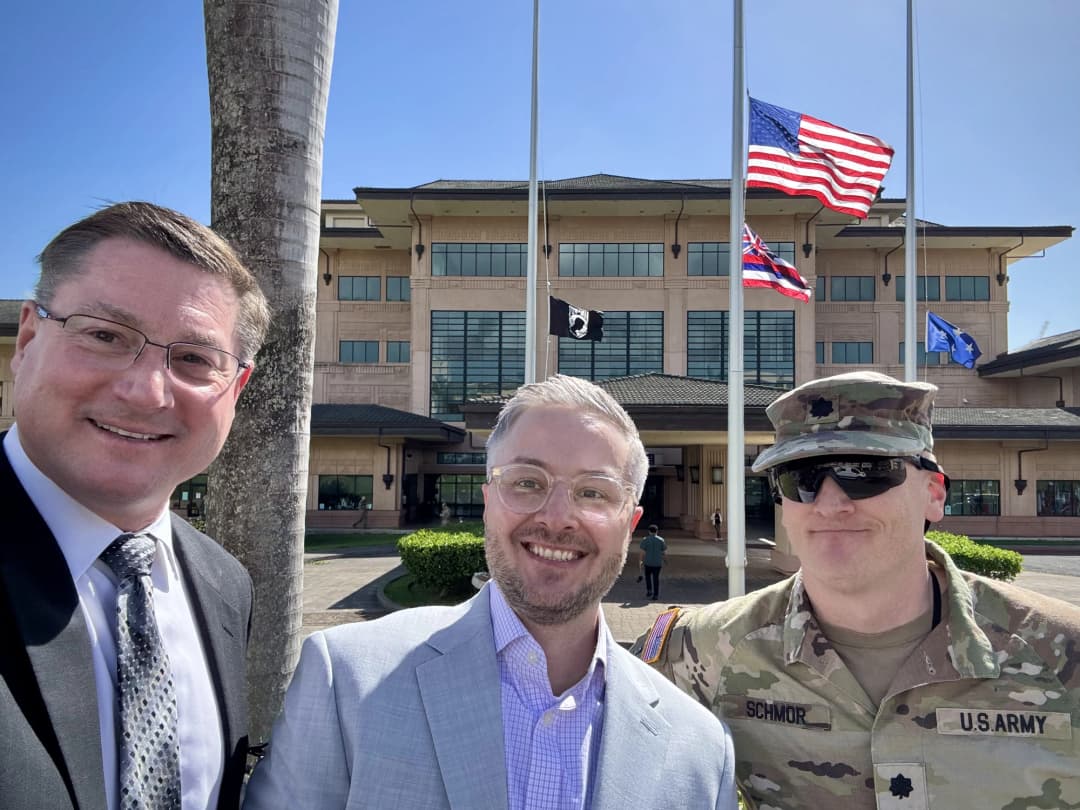
Located in Camp H.M. Smith on the island of Oahu, United States Indo-Pacific Command (USINDOPACOM) is the oldest and largest Combatant Command (CCMD) in the Department of Defense, with an Area of Responsibility (AOR) spanning 36 nations and more than 50% of the Earth's surface. Established in 1947, USINDOPACOM has evolved to address the dynamic and complex challenges of the Indo-Pacific region. Its mission includes ensuring freedom of navigation in critical waterways, countering regional threats, and fostering strong alliances with partner nations to promote stability and security. These objectives are particularly urgent given the growing strategic competition with China, whose assertive actions in the South China Sea and around Taiwan have heightened tensions and reinforced the importance of USINDOPACOM's presence. From defending Taiwan's sovereignty to maintaining open and secure sea lines of communication, USINDOPACOM operates at the forefront of safeguarding the rules-based international order in one of the most geopolitically significant regions of the world.
During our SAV, we had the privilege of engaging with the highly talented USINDOPACOM (IP) J2 staff, whose dedication to Intelligence Support for Command and Control (ISC2) was apparent in every conversation. We spent time at the Joint Intelligence Operations Center (JIOC) in Makalapa and the Joint Operations Center (JOC), observing the seamless integration of intelligence and operational updates that provide a real-time Common Intelligence Picture (CIP) and Common Operational Picture (COP) for decision-making. The professionalism and expertise of the IP J2 team were on full display as they shared insights into their workflows, tools, and the unique challenges they face in this strategically vital theater.
A highlight of the visit was our meeting with Ms. Jananne Swoopes, SES, Deputy J2 (DJ2) for USINDOPACOM. Ms. Swoopes provided invaluable perspective on the command's priorities, emphasizing the need for solutions that move at the speed of mission requirements. Her philosophy of failing fast and pivoting where needed reflected a practical and forward-thinking approach to tackling challenges. She underscored the urgency of adapting and delivering capabilities quickly, as enterprise timelines often fall short of operational demands. Ms. Swoopes noted that solving USINDOPACOM's needs would set a precedent for all CCMDs, reinforcing her commitment to fostering alignment and shared goals across the joint force. Her leadership and vision were inspiring and offered hope for addressing the command's pressing intelligence and operational challenges.
These interactions provided a firsthand look at the critical work being done at USINDOPACOM to maintain readiness and resilience in an AOR of unparalleled complexity. During the SAV, we had the opportunity to engage with the IP J2/3 teams at each subordinate component command, gaining valuable insights into their unique missions and operational contributions.
U.S. Pacific Fleet (PACFLT)
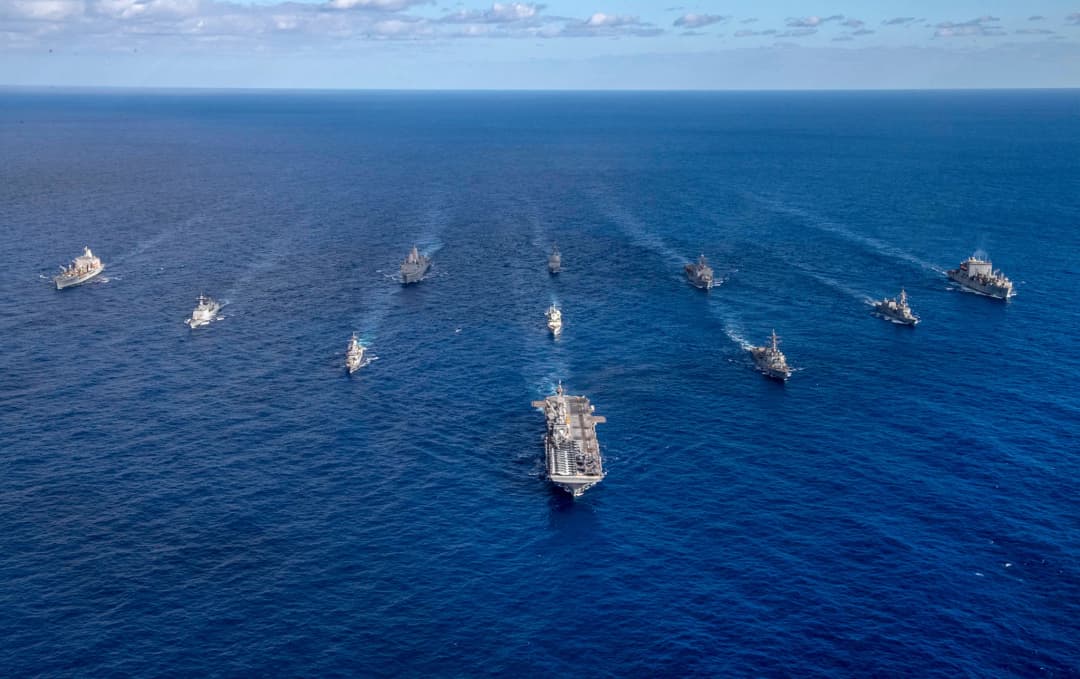
Headquartered at Pearl Harbor, U.S. Pacific Fleet (PACFLT) is the world's largest fleet command, responsible for naval forces in the Indo-Pacific region. With a storied history dating back to World War II, PACFLT ensures maritime security, freedom of navigation, and readiness to deter and, if necessary, defeat adversaries. Its mission spans the vast expanse of the Pacific and includes supporting allies, addressing regional challenges, and protecting U.S. interests in the maritime domain.
During our visit to PACFLT at Makalapa, we met with the J3 Operations team, where we gained valuable insights into their day-to-day mission planning and operational oversight. Viewing their operational floors, it was clear how seamlessly they integrate intelligence and operations to maintain maritime dominance. The team highlighted their efforts in countering illicit activities, responding to natural disasters, and ensuring freedom of navigation amid the complexities of operating in contested maritime environments.
U.S. Marine Corps Forces, Pacific (MARFORPAC)
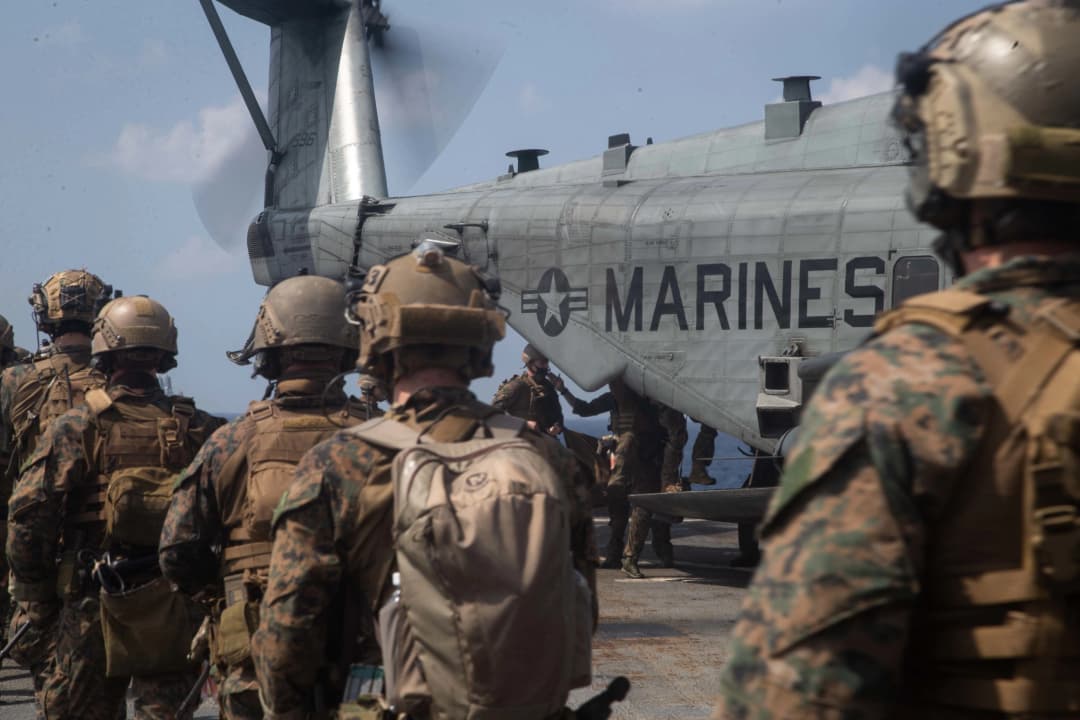
U.S. Marine Corps Forces, Pacific (MARFORPAC) serves as the largest field command in the Marine Corps, with a primary mission to provide ready forces and crisis response capabilities throughout the Indo-Pacific. Headquartered at Camp H.M. Smith, MARFORPAC supports expeditionary operations and integrates closely with joint and coalition forces to address security challenges.
At MARFORPAC, we met with their J3 team and received a detailed briefing on their mission set, which includes supporting forward-deployed Marine units, enhancing joint force readiness, and integrating with regional allies. A visit to their operations center offered a firsthand look at how MARFORPAC manages real-time situational awareness and supports operations in areas ranging from humanitarian assistance to high-end combat scenarios.
U.S. Pacific Air Forces (PACAF)
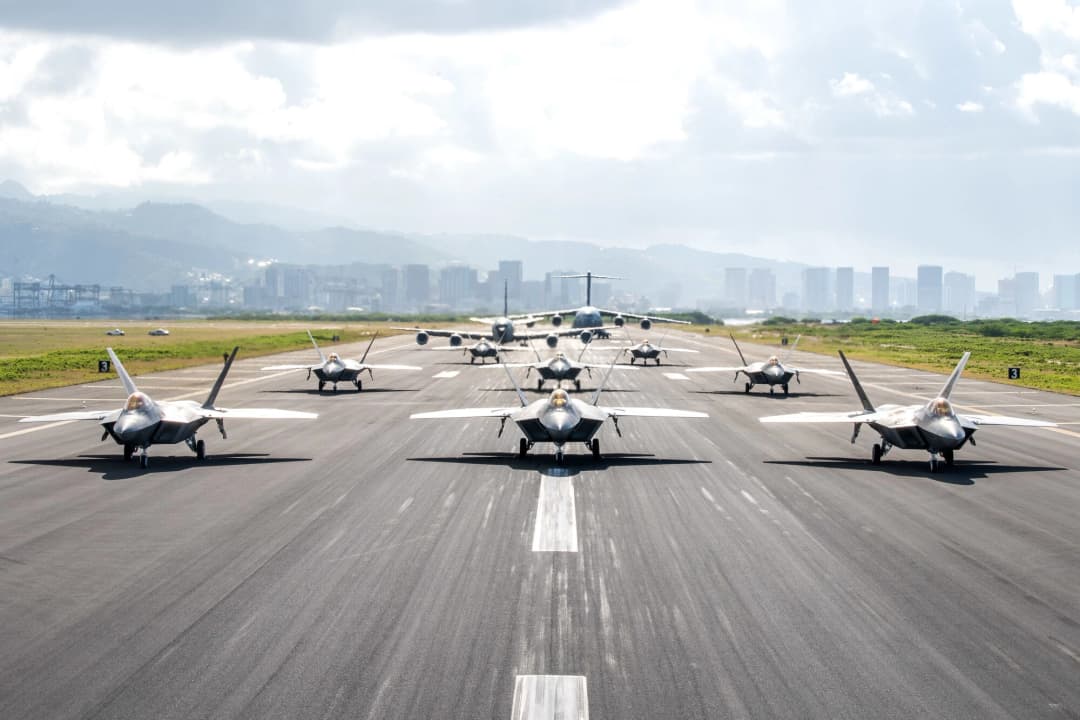
Operating out of Joint Base Pearl Harbor-Hickam, the 613th Air Operations Center (AOC) serves as the nerve center for the air component of USINDOPACOM. It is integral to the mission of Pacific Air Forces (PACAF), which oversees U.S. Air Force operations across the Indo-Pacific. PACAF is tasked with ensuring air dominance, rapid global mobility, and integrating airpower with joint and allied forces to deter aggression and project strength.
Our discussions with the J3 operations team at the 613th AOC offered insights into their robust mission of managing air operations across a region characterized by vast distances and evolving threats. Touring their operations floor highlighted their innovative approaches to leveraging advanced technologies and joint integration to maintain domain awareness and respond to dynamic challenges, such as Chinese military aircraft incursions near Taiwan and the Korean Peninsula's ongoing tensions.
U.S. Army Pacific (USARPAC)
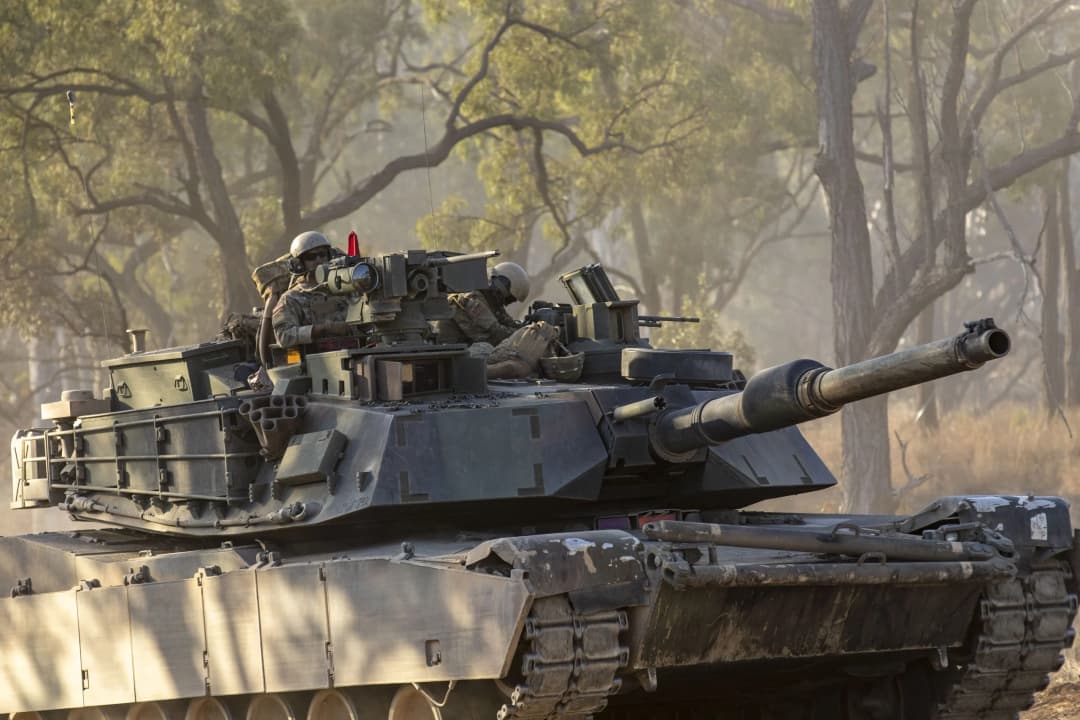
U.S. Army Pacific (USARPAC), headquartered at Fort Shafter, is the largest Army component command, with over 100,000 soldiers providing land-based power projection across the Indo-Pacific. Its mission includes theater security cooperation, building partner capacity, and maintaining readiness to respond to regional crises and contingencies.
At USARPAC, we engaged with their J3 team, who provided a thorough overview of their operations, including their focus on integrating land forces with joint and allied commands. We toured their operations floor, where they demonstrated their commitment to theater-wide synchronization and readiness. Their ability to maintain robust interoperability with regional partners like Japan, South Korea, and Australia underscores their vital role in strengthening the joint force posture in the Indo-Pacific.
Special Operations Command, Pacific (SOCPAC)
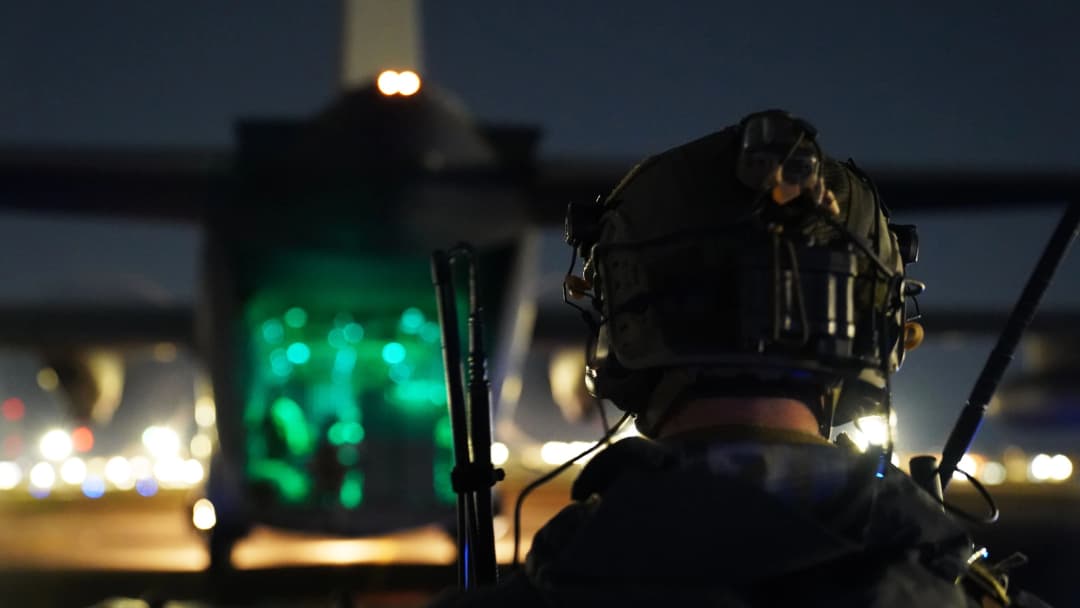
Special Operations Command, Pacific (SOCPAC) is headquartered at Camp H.M. Smith and serves as the special operations component for USINDOPACOM. SOCPAC's unique mission involves coordinating and executing special operations across the Indo-Pacific, focusing on counterterrorism, unconventional warfare, and capacity building with partner forces.
Our visit to SOCPAC included discussions with their J3 operations team, who shared insights into their multifaceted mission set, which spans from the jungles of Southeast Asia to the remote islands of the Pacific. Touring their operations center, we observed how SOCPAC integrates intelligence, logistics, and operational planning to support both immediate and long-term strategic goals. Their emphasis on working closely with regional partners to counter violent extremist organizations and address gray-zone challenges demonstrates their adaptability and strategic importance in this theater.
Oahu, Hawaii Tourism
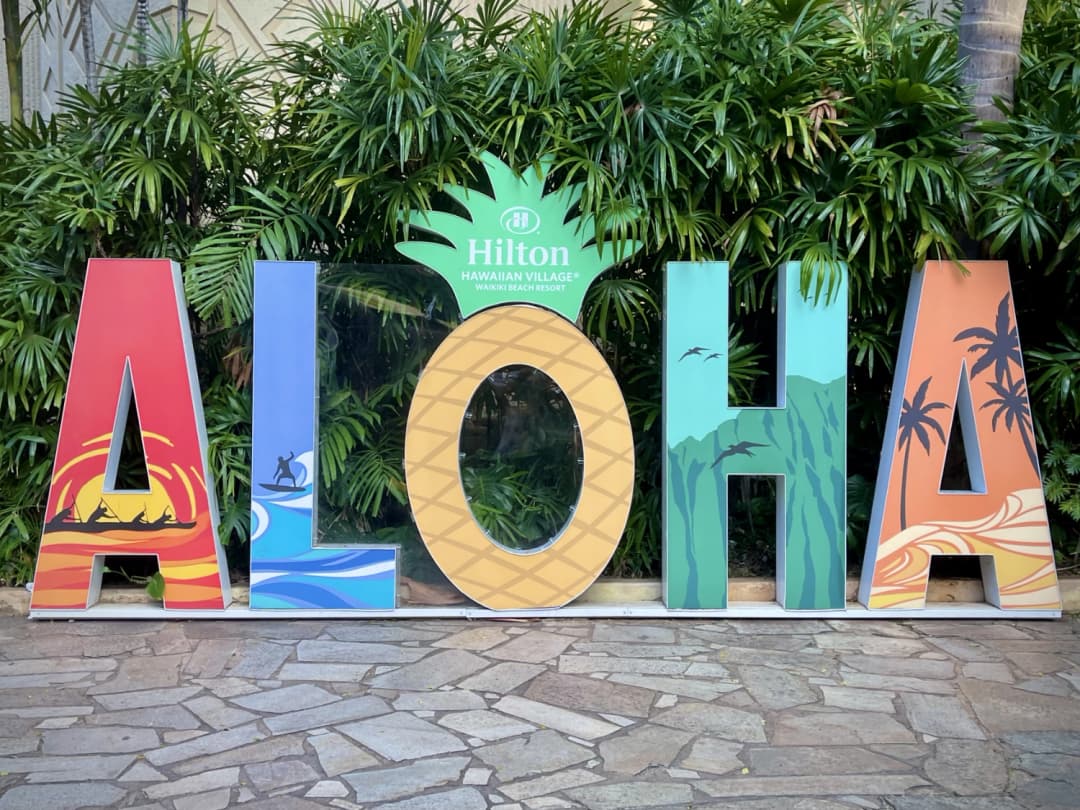
Oahu is a place where natural beauty, rich history, and modern culture blend seamlessly, offering endless opportunities to explore, reflect, and indulge. My visit to the island wasn't just about work; it also gave me a chance to immerse myself in the stunning landscapes, fascinating cultural landmarks, and diverse culinary delights that make Oahu so special.
For this trip, I stayed at the Hilton Hawaiian Village, a departure from my usual preference for Marriott properties, particularly the Sheraton Princess Kaiulani. This was my first time staying at the Hilton, offered under per diem by DTS, and I decided to take the opportunity to experience it. The resort is massive, almost a small city within itself, with sprawling grounds, multiple towers, and an array of amenities. Navigating its size took some getting used to, but it was an intriguing experience to explore such a well-known property.
From tranquil temples nestled in lush valleys to iconic filming locations steeped in Hollywood lore, every stop on Oahu was a chance to connect with the spirit of Hawaii. Even the weather added to the experience, with bursts of tropical rain giving way to brilliant sunshine, showcasing the island's incredible contrasts.
In the following sections, I'll share some of the highlights from my time on Oahu, including serene moments at the Byodo-In Temple, breathtaking views at Kualoa Regional Park, a cinematic adventure at Kualoa Ranch, and a delicious journey through the island's food scene. Each experience added its own layer to the story of this unforgettable trip.
Byodo-In Temple
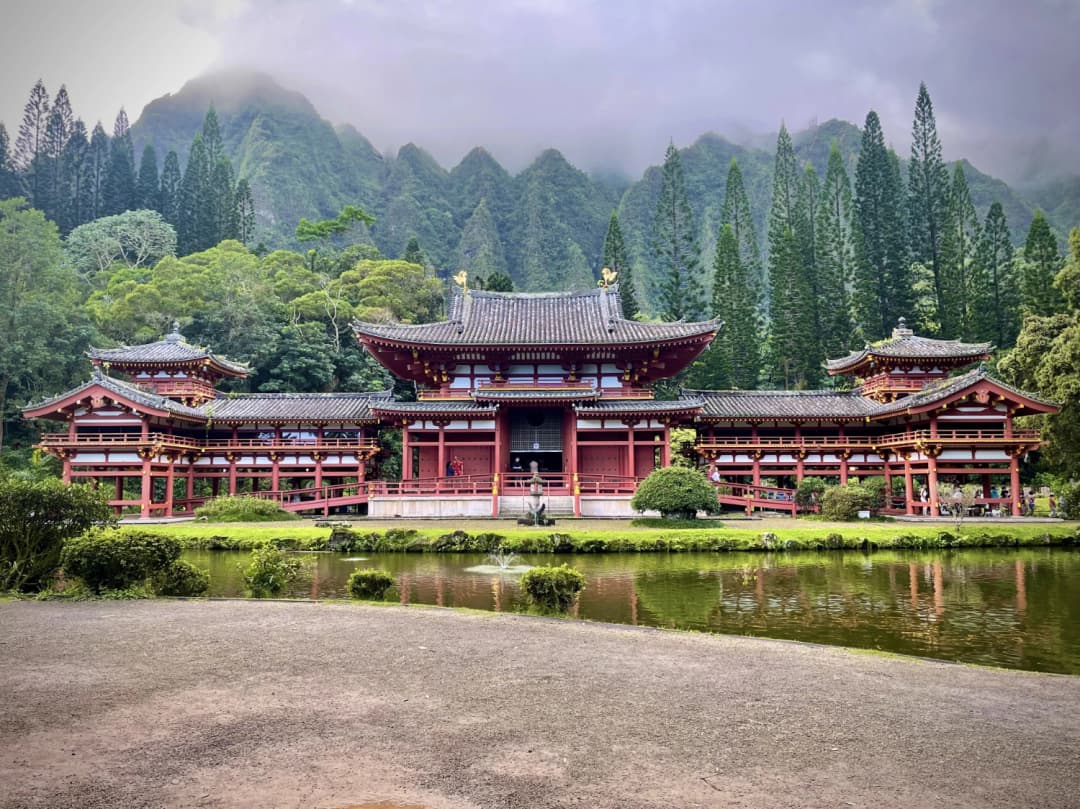
Nestled at the base of the Koʻolau Mountains in the lush Valley of the Temples, the Byodo-In Temple is a hidden gem that feels worlds away from the bustling streets of Honolulu. This non-denominational Buddhist temple, built in 1968 to commemorate the 100th anniversary of the first Japanese immigrants to Hawaii, is a smaller-scale replica of the 950-year-old Byōdō-in Temple in Uji, Japan—a UNESCO World Heritage Site.
As I walked over the graceful bridge leading to the temple grounds, I was immediately struck by the sense of calm that enveloped the area. The bridge arched over tranquil koi ponds shimmering with flashes of orange, white, and gold. The air was filled with the gentle rustle of leaves, the soft trickle of water, and the occasional resonant toll of the large bon-shō (sacred bell) near the entrance, rung by visitors for blessings of peace, happiness, and a long life.
The temple itself is a masterpiece of Japanese architecture, with its phoenix-adorned rooftops and intricate carvings. Inside, the golden statue of Amida Buddha radiates a quiet strength, its serene expression inviting reflection and mindfulness. Outside, the lush gardens brim with vibrant greenery, creating a living work of art that shifts with the sunlight and shadows.
Standing on the bridge over the koi pond, gazing at the temple framed by the towering Koʻolau cliffs, I felt a deep sense of tranquility. It's the kind of peace that silences the mind and grounds the spirit, a momentary pause in the chaos of everyday life.
Visiting the Byodo-In Temple was more than just a stop on my itinerary—it was an experience that lingered long after I left, a reminder of the profound beauty of stillness in a world that never seems to stop moving.
Kualoa Regional Park
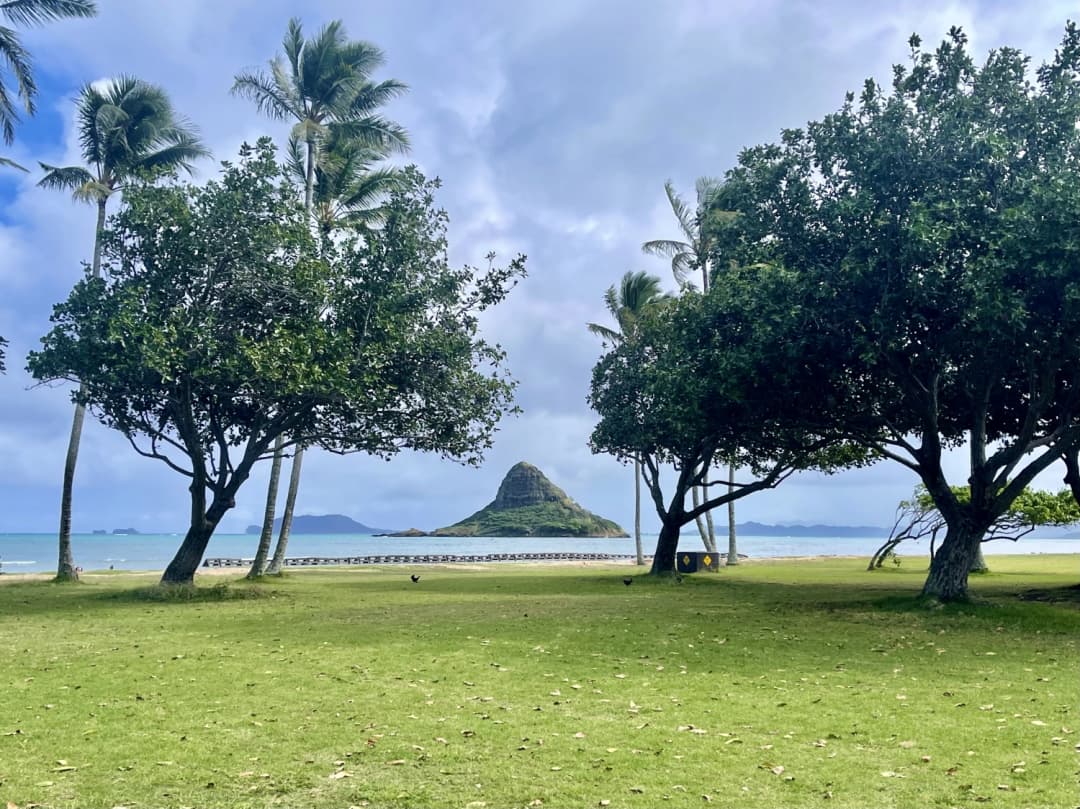
Kualoa Regional Park, located along Oahu's Windward Coast, is a place where the natural beauty of Hawaii truly takes center stage. With its wide, open spaces and iconic views of Mokoliʻi Island—often called "Chinaman's Hat"—this park offers a perfect backdrop for relaxation and quiet appreciation of the island's landscapes.
During my visit, I took time to simply take in the stunning scenery. The towering Koʻolau Mountains served as a dramatic backdrop, their emerald peaks contrasting with the calm, azure waters of Kaneohe Bay. Gentle waves lapped against the shore as I stood near the beach, soaking in the tranquil atmosphere and snapping a few photos to capture the moment.
Although my visit was brief, Kualoa Regional Park left a lasting impression with its serene charm and breathtaking vistas. It was a peaceful pause, offering a chance to appreciate the natural wonders that make Oahu so special.
Kualoa Ranch
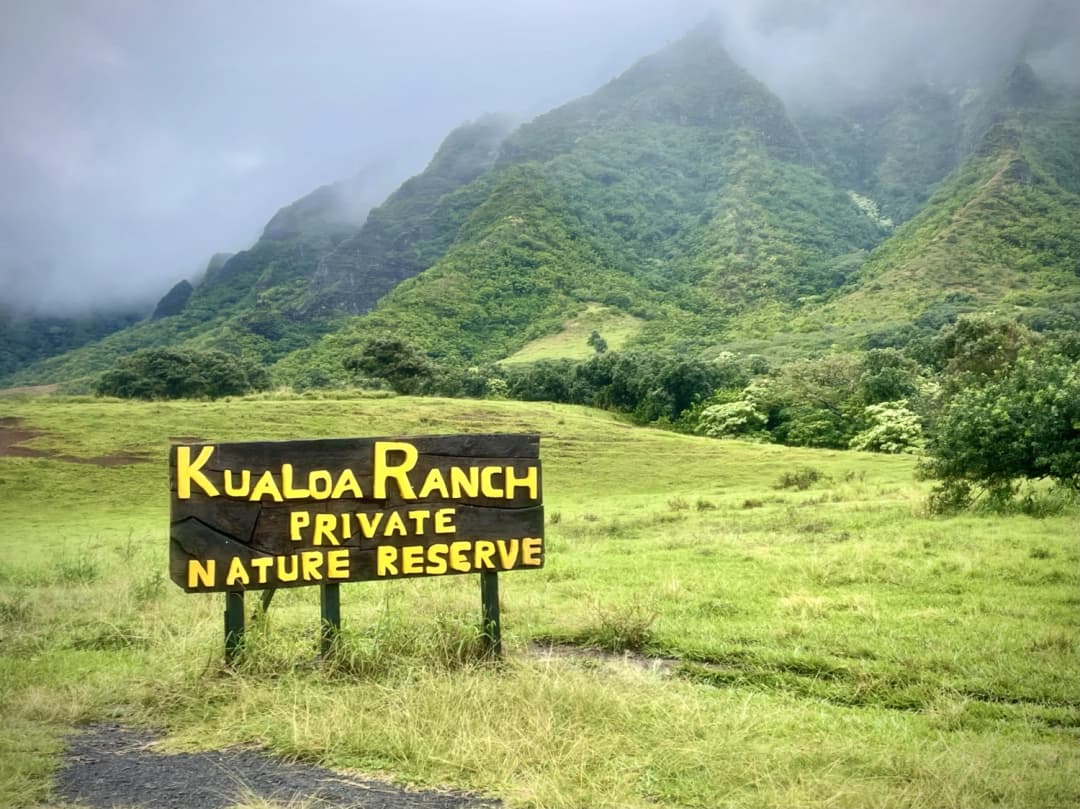
Kualoa Ranch is a destination that truly captures the essence of Hawaii's dramatic beauty and storied past, both natural and cinematic. Nestled on Oahu's Windward Coast, this 4,000-acre private nature reserve is a breathtaking mix of rugged valleys, lush tropical forests, and sweeping ocean vistas. It's no wonder it's been a favorite backdrop for Hollywood, with movies like Jurassic Park, Jumanji, Godzilla, and Kong: Skull Island filmed here. Even TV shows like Lost and Hawaii Five-0 have made use of its iconic landscapes.
I opted for the Jurassic Adventure Tour, a 2.5-hour excursion that covers all 4,000 acres of the park, showcasing some of the most famous filming locations. From the moment I arrived, the weather added its own element of drama. It was pouring rain, the kind of tropical downpour that leaves you soaked within minutes. But even the rain couldn't dampen the experience—it seemed to add to the mystique of the lush green valleys and towering cliffs, as mist clung to the peaks of the Koʻolau Mountains.
The tour itself was a thrilling mix of adventure and awe. Riding in a rugged open-air vehicle, we navigated bumpy trails, passing towering trees, open fields, and cinematic landmarks, like the towering log where the T-Rex made its entrance in Jurassic Park. The guides were fantastic, sharing behind-the-scenes stories of the films shot here and pointing out how the ranch's diverse terrain made it the perfect location for so many productions.
What makes Kualoa Ranch particularly fascinating is its layered history. During World War II, the U.S. military utilized the land to build fortifications, bunkers, and airstrips, many of which can still be seen today. These remnants of the past serve as a reminder of the ranch's strategic importance during a pivotal time in history. Even before the military presence, however, Kualoa was a sacred place for Native Hawaiians. The land was revered as wahi pana—a storied, sacred site—and served as a burial ground for aliʻi (Hawaiian royalty). Ancient bones, or iwi, are interred in secret locations throughout the ranch, underscoring its deep cultural significance.
Adding to its intrigue, the ranch's layout is divided into distinct zones: Kaʻaʻawa Valley, the classic "Jurassic Valley" famous for its cinematic scenery; Hakipuʻu Valley, known for its cultural sites and ancient fishponds; and Kualoa Valley, offering dramatic ocean views. Like the rest of Hawaii, these areas experience microclimates, and halfway through the tour, the rain lifted, revealing sunshine that bathed the valleys in a golden glow. The dramatic shift in weather seemed almost magical, highlighting the varied beauty of the landscape.
This was my first visit to Kualoa Ranch, and it far exceeded my expectations. The dramatic views, the blend of nature, history, and culture, and the thrill of standing in locations so iconic they feel larger than life made it an unforgettable experience. It's easy to see why this spot is a must-visit for anyone coming to Oahu. Whether you're a movie buff, an adventurer, or someone who simply appreciates the incredible diversity of Hawaii's landscapes, Kualoa Ranch offers something truly special.
Food
Exploring Oahu wouldn't be complete without diving into its culinary offerings. From roadside treasures to high-end restaurants, the island's food scene has something for everyone. While I sampled dishes from a variety of places, some meals stood out as highlights, while others didn't quite meet expectations. Here's a recap of where I ate and what I thought:
- Aloha Kitchen at Camp Smith: Located on the base, Aloha Kitchen offered a no-frills dining experience with hearty portions. It was a convenient stop during my workday, and the loco moco—a quintessential Hawaiian comfort dish—did not disappoint. The flavors were spot on, and it was a perfect way to fuel up.
- Aoki Teppanyaki: Aoki Teppanyaki in Waikiki served up a fun, interactive dining experience with skilled chefs putting on a culinary show at the grill. The food was fresh, expertly cooked, and bursting with flavor. Watching the chef craft onion volcanoes and expertly flip shrimp tails was as entertaining as it was delicious.
- Chart House Waikiki: The view from Chart House Waikiki was just as memorable as the food. With a sunset backdrop, I enjoyed a beautifully prepared seafood dish that perfectly complemented the laid-back, elegant vibe of this iconic spot.
- Bibas Courtyard Grill and Happy's Fast & Fresh at the Hale Koa Hotel: Bibas Courtyard Grill was a solid choice for an affordable yet satisfying meal. Their mahi mahi topped with Hawaiian pineapple sauce was fresh, flavorful, and perfectly cooked, making it a standout dish. On the other hand, Happy's Fast & Fresh fell short. The food lacked the flavor and quality I'd hoped for, but its affordability and convenience made it a viable option for a quick bite.
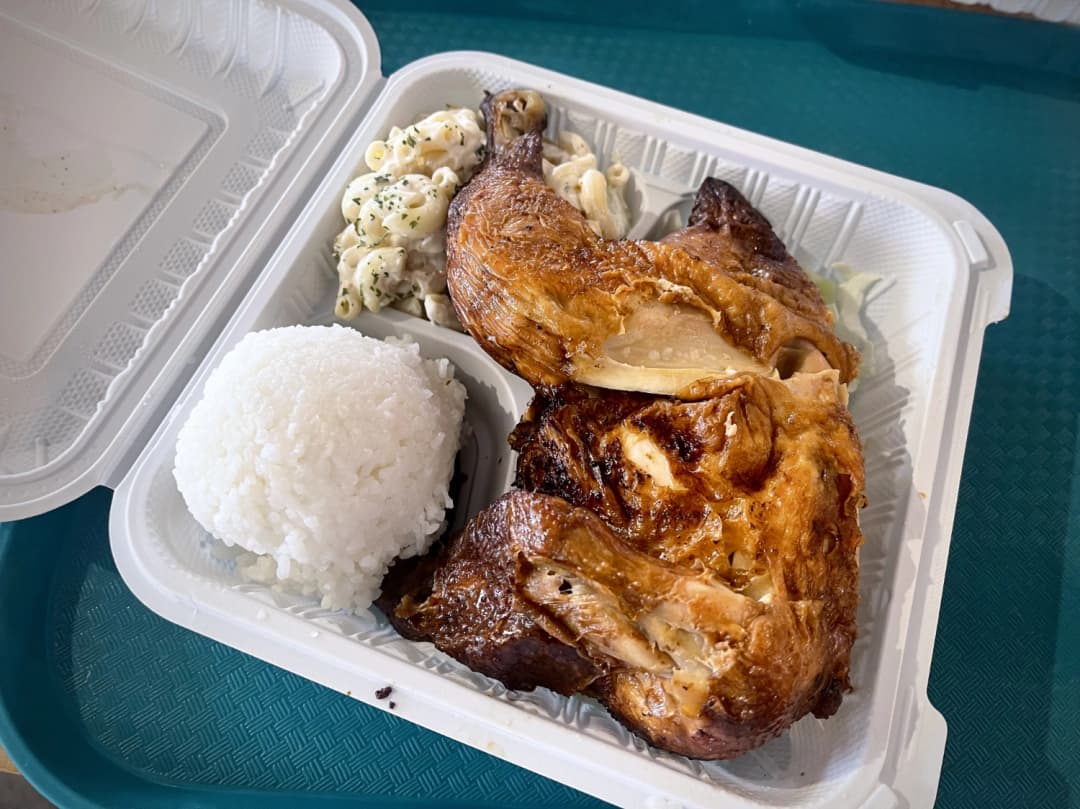
- Yummy Huli Huli Chicken: The absolute standout meal of the trip was from Yummy Huli Huli Chicken. The smoky, sweet, and savory flavors of the perfectly grilled chicken were incredible. Paired with traditional sides like rice and mac salad, this meal embodied Hawaiian comfort food at its best. Despite its simplicity, the taste was unforgettable and worth every bite.
- Ala Moana Center Food Court: The food court at Ala Moana Center offered a surprising range of choices. I started one morning with a simple but satisfying breakfast from one of the stands and paired it with a rich cup of Kona coffee, my favorite Hawaiian bean. I also revisited LA Brisket, where the tender, smoky barbecue was as excellent as I remembered. Another highlight was Jollibee, where I indulged in their signature fried chicken — always a fun treat.
- Waiāhole Poi Factory: My stop at the Waiāhole Poi Factory was an interesting cultural experience but not one I'd eagerly repeat. I tried their long chicken rice, squid lū'au, and taro poi. While I appreciated the history behind the dishes, the flavors were bland, and the taro poi's texture didn't appeal to me. This was a stop more about curiosity than enjoyment.
- Restaurant 604: Restaurant 604, located near Pearl Harbor, offered a relaxed atmosphere and classic island fare. I opted for the mahi mahi topped with a Hawaiian pineapple sauce, and it was a delightful choice—light, flavorful, and perfectly paired with the tropical ambiance of the restaurant.
- Waikiki Brewing Company: For a casual evening out, Waikiki Brewing Company offered a solid lineup of craft beers and hearty pub fare. While the tropical IPA was refreshing, I was disappointed by the brisket, which felt skimpy for the price. Despite this, the atmosphere and beer selection made it an enjoyable stop.
From the smoky perfection of Yummy Huli Huli Chicken to the variety at Ala Moana and the fresh mahi mahi at Restaurant 604, Oahu's food scene offered a rich tapestry of flavors. While some meals were less memorable, the overall culinary journey added a flavorful layer to my time on the island.
Conclusion
As my time on Oahu came to a close, I couldn't help but reflect on the contrasts that shaped this journey. The SAV underscored the need for innovation, speed, and adaptability in meeting mission-critical demands, a theme emphasized by leaders like Ms. Jananne Swoopes. Her approach to solving challenges—failing fast and pivoting quickly—serves as a blueprint for the modern-day urgency required across all Combatant Commands.
Outside of the work, the island's landscapes and culture offered a stark but welcome juxtaposition. The quiet serenity of the Byodo-In Temple, the cinematic grandeur of Kualoa Ranch, and the culinary richness of its local eateries reminded me of the importance of balance. Oahu isn't just a place of strategic significance—it's a source of inspiration.
This trip reaffirmed a core truth: whether supporting a mission or savoring a moment, the key lies in moving with purpose. On Oahu, that purpose resonated in every interaction, every landscape, and every experience. It's a lesson that lingers, much like the island's enduring charm.
See the associated LinkedIn post.
Comments
To leave feedback or questions, simply login using your preferred social network. I will read and answer your comments promptly, but please keep in mind that they will be public.