
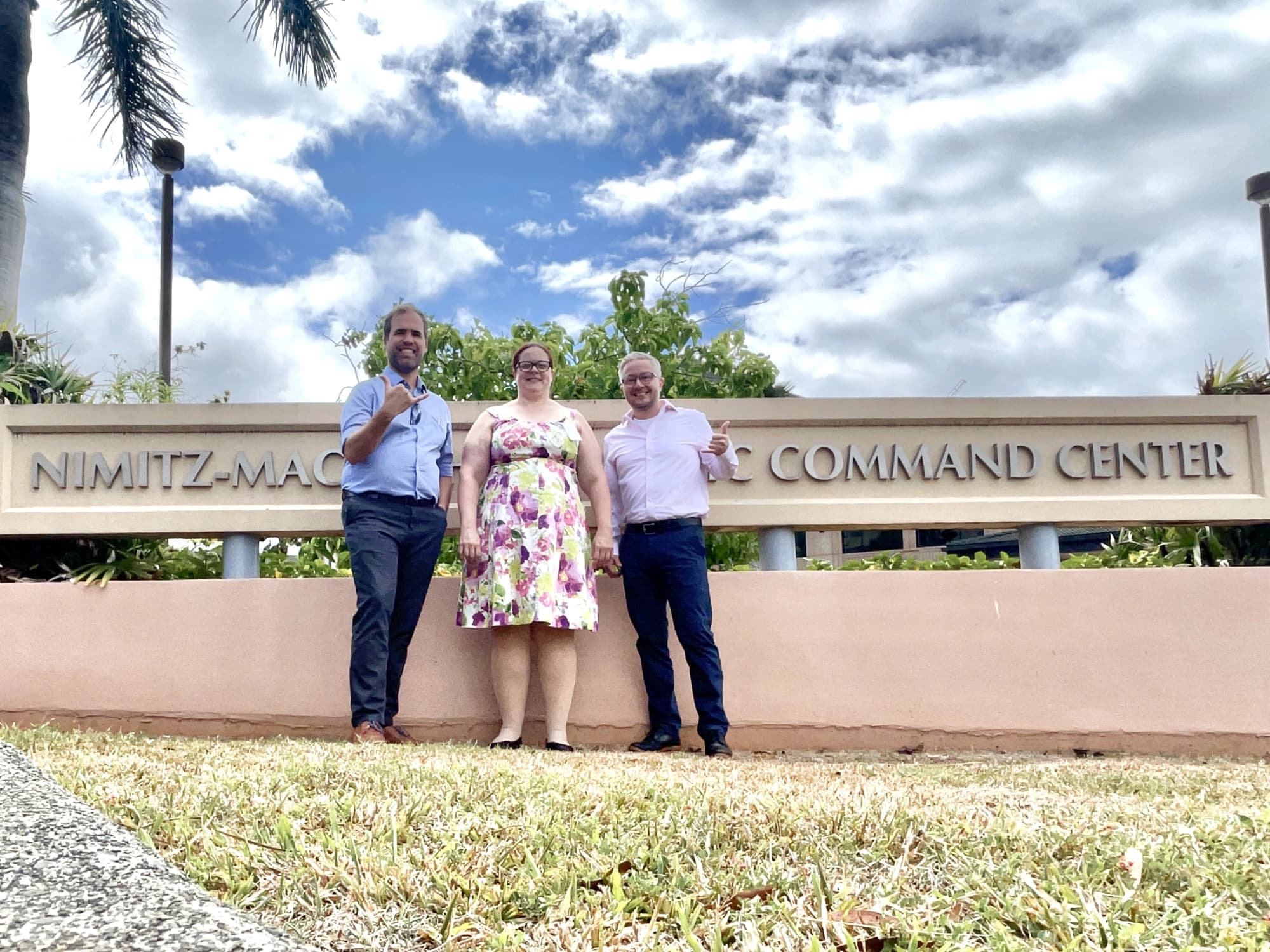
Introduction
It's amazing how much we rely on a shared understanding to navigate even the simplest of experiences. I was reminded of this during a recent trip to Hawaii for the United States Indo-Pacific Command (USINDOPACOM) Joint Data Network (JDN) Interoperability Working Group. After a long plane ride with a layover, the first thing on our minds was finding some good food. Our first stop was a place with the most straightforward, almost comically simple name: Mexican Restaurant. As unassuming as the name was, there was no confusion about what to expect. We went in, ordered a couple of burritos, and enjoyed a familiar meal in a new place. The whole thing got me thinking about how much we rely on shared context to make sense of things, both in everyday life and in my professional world.
That idea of shared understanding, of speaking the same language even when coming from different places, is at the core of what we do at the USINDOPACOM JDN Interoperability Working Group. This year, the event took place at Camp H.M. Smith, the USINDOPACOM headquarters in Hawaii, overlooking the breathtaking island landscapes. But while the location was serene, the discussions were anything but. We gathered military and technical experts from multiple countries—including the United States, Canada, United Kingdom, Australia, and Japan—all with their own systems, priorities, and ways of working, to tackle the complex challenge of building and maintaining seamless interoperability across the Indo-Pacific region.
This wasn't just an exercise in theory or a diplomatic meeting of minds. It was about rolling up our sleeves and diving into the real, practical issues we face: how to make sure our systems talk to each other, how to ensure our Common Operational Picture (COP) remains consistent across coalition forces, and how to leverage Tactical Data Links (TDL) to ensure that when the time comes, everyone is operating from the same shared understanding of the battlefield. Sometimes, it feels like we're not just sharing understanding, but actively building it, piece by piece, person by person.
At this year's working group, I saw firsthand how our ability to work together across nations is the key to keeping our coalition strong. Representatives from Pacific Air Forces (PACAF), the United States Pacific Fleet (COMPACFLT), and other major components came together to align on shared goals, like building a reliable COP and ensuring we can act as one in the face of any threat. This is where the rubber meets the road—it's not just theory or planning. It's real, it's practical, and it's mission-critical.
USINDOPACOM JDN Interoperability WG
In coalition operations, achieving success goes beyond just advanced technology or strategy—it relies on a shared understanding among all participants. Whether it's aligning across diverse systems, navigating different languages and cultures, or maintaining seamless communication, the ability to work together as one unit is critical. The process of building this collective insight requires constant collaboration, both human and technological. In the following sections, we explore how this shared understanding influences decision-making, strengthens alliances, and drives interoperability, as highlighted during this year's USINDOPACOM JDN Interoperability Working Group.
Shared Understanding in a Complex World
When you're sitting in a room filled with military representatives from the United States, Canada, the United Kingdom, Australia, and Japan, you quickly realize that shared understanding isn't just a nice-to-have—it's absolutely essential. At this year's USINDOPACOM Joint Data Network (JDN) Interoperability Working Group, this reality was front and center. We weren't just talking about it in theory. We were living it.
The room was buzzing with a blend of accents and perspectives, each one bringing its own set of priorities, but all of us were working towards the same goal: how do we ensure that our systems, data, and people can operate as one cohesive force? How do we make sure that in the heat of the moment, with decisions needing to be made in seconds, everyone has the same picture in front of them, the same understanding of the mission, and the same confidence in the tools they're using?
We spent the week discussing Tactical Data Links (TDL), the Common Operational Picture (COP), and the integration of multi-domain systems. These aren't just acronyms or abstract ideas—they're the lifeblood of modern warfare. Without a shared understanding of what's happening in real-time, across land, sea, air, space, and cyber domains, we'd be at a significant disadvantage. The ability to create and maintain a COP that can be accessed by all of our partners—across the Indo-Pacific region and beyond—is critical.
This became even clearer when we talked about interoperability. It's one thing to have systems that work within a single country's military framework. But when you're working with coalition forces, you need those systems to talk to each other seamlessly. As Royal Canadian Navy Commodore Matthew Bowen emphasized in his opening remarks, the breadth and depth of our alliances are what give us strength. This isn't just about the technology we're using; it's about the human element—our ability to collaborate, communicate, and trust one another.
And trust doesn't just come from working together. It comes from understanding one another's systems, languages, and priorities. It comes from having the same picture in front of us, whether we're looking at a tactical map, analyzing data from a shared intelligence platform, or coordinating joint operations. In the USINDOPACOM region, where the stakes are incredibly high and the threats are constantly evolving, this shared understanding is what enables us to act as one cohesive unit.
Naming Things and Shared Language
There are 2 hard problems in computer science: cache invalidation, naming things, and off-by-1 errors.
One amusing but often overlooked challenge we face—whether in technology or military operations—is naming things. It's a common joke in computer science circles that naming things is one of the hardest problems. You see this in everyday life too. For example, while in Hawaii, my daughter and I stumbled upon a restaurant simply called "Mexican Restaurant." No flair, no branding, just a plain, literal description. It made me laugh at how, in the DoD, we often do something similar with programs and systems.
Take something like the Combined Joint All Domain Command and Control (CJADC2) or the Mission Partner Environment (MPE)—these aren't physical systems you can touch, but rather logical constructs that represent a collection of systems and frameworks working together. Many people mistakenly think of them as singular software systems, but in reality, they are terms used to describe a broader set of capabilities. Without context, these names can sound concrete and singular. The truth is, many of these terms are used to rally funding, people, and attention behind a broad set of ideas. There's nothing inherently wrong with this—it's how large organizations function. But when the name doesn't clearly convey what it represents, achieving shared understanding becomes more challenging.
On the other hand, the journey to achieving this shared understanding is crucial. It's not just about defining a term—it's about the process of aligning on what that term represents across teams and nations. Once that shared understanding is established, these terms become powerful tools for communication. They streamline conversations, eliminate confusion, and allow everyone to operate more efficiently without having to repeatedly explain the underlying systems. The act of achieving this understanding builds trust and ensures that everyone is on the same page, ready to collaborate effectively.
The other, general thing to be said about how change comes about through innovation, and especially about the rate in which that change occurs, is that: the easier you can communicate, the faster change happens.
The working group serves as a venue where we iron out these confusions, aligning on terms and systems across nations. It's about ensuring that when we say "COP" or "CJADC2," everyone in the room—whether they're from the U.S., Canada, Japan, or Australia—knows exactly what we mean. This process of learning each other's language and building shared understanding is key to making coalitions effective. And, of course, this shared language is about more than just words—it's about understanding the nuances of how our systems and processes fit together in practice.
Building Understanding Through Practice
As much as we rely on technology to bridge the gap between nations, systems, and domains, the human element can't be overstated. During the working group, we didn't just talk about data links and operational pictures in the abstract. We discussed them in the context of real-world scenarios—situations where getting it wrong could mean the difference between mission success and failure.
One of the key takeaways for me was that shared understanding isn't something you achieve once and then move on from. It's something you have to build, reinforce, and practice continually. This was driven home by the U.S. Army Pacific (USARPAC) representative, who emphasized, "Train like you fight and fight like you train." This quote, which has roots in military doctrine, underscores a simple truth: we must practice like we would in actual combat scenarios.
This isn't just about rehearsing procedures; it's about integrating systems, people, and information flows in real-time conditions. You don't learn how to fight by just reading manuals or watching presentations. You learn by doing—by putting theory into action and practicing with the exact tools you'll use in the field. This means not only understanding how your systems work but knowing how they fit into the larger operational picture alongside your allies. This is where the rubber meets the road.
This principle applies not just in military contexts but also in fields like product development and engineering. When we're rolling out a new feature, it's not enough to simply have the software running in a test environment. We need to simulate real-world conditions as closely as possible, ironing out the bugs, finding the inefficiencies, and ensuring that everyone involved understands how the system works. This is exactly what we need to be doing with our allied partners—training together, using the same systems, understanding the same data, and speaking the same operational language. Because when the moment comes, there's no time for confusion.
The working group gave us a chance to do just that—practice interoperability in real time. It wasn't just about theory. It was about working through the complexities of data centricity, figuring out how our systems can share information more efficiently, and ensuring that the insights we generate are actionable across all domains. This is the kind of hands-on learning that's essential for both our military forces and the engineers and analysts behind the scenes. The tools are only as good as the people who use them, and the people are only as good as their training and practice.
The Role of Technology and Systems
But, of course, technology is a vital part of building shared understanding. Tactical Data Links (TDL) and the Common Operational Picture (COP) are foundational to how we operate together. Yet the reality is that even the best systems can fall short if they aren't designed with interoperability and user needs in mind. That's why events like this working group are so critical. They allow us to identify where the gaps are and how we can make sure the tools we use aren't just talking to each other but truly working together in real-world operations.
At the end of the day, it's not just about which tools we use—it's about how we make them work for us and how we ensure that every allied nation can tap into the same data, the same operational picture, and make real-time decisions together. Shared understanding, both from a technical and human perspective, is what makes this work.
The Human Element: Allies and Partnerships
Throughout the week, one thing stood out: our coalition is strong. It's built on the understanding that no nation can go it alone, especially in a region as complex as the Indo-Pacific. Our partners and allies aren't just participants in meetings—they're integral to every part of the mission. This theme of partnership was reinforced over and over again, whether in formal briefings or casual conversations.
This isn't just theoretical cooperation. It's real-world collaboration, where we're learning from each other, adapting to new challenges, and building trust along the way. And trust, built through years of working together, is a key ingredient in our shared understanding. It's what makes our partnerships resilient in the face of any threat, whether it comes from China, North Korea, or Russia.
The scope, breadth, and depth of our alliances are critical.
As Commodore Bowen put it, "The scope, breadth, and depth of our alliances are critical." This isn't just a talking point—it's the reality of why we come together in settings like this. We're not just improving our systems and tools; we're deepening our ability to work together, to respond to crises, and to protect the peace and stability of the Indo-Pacific region.
Swag
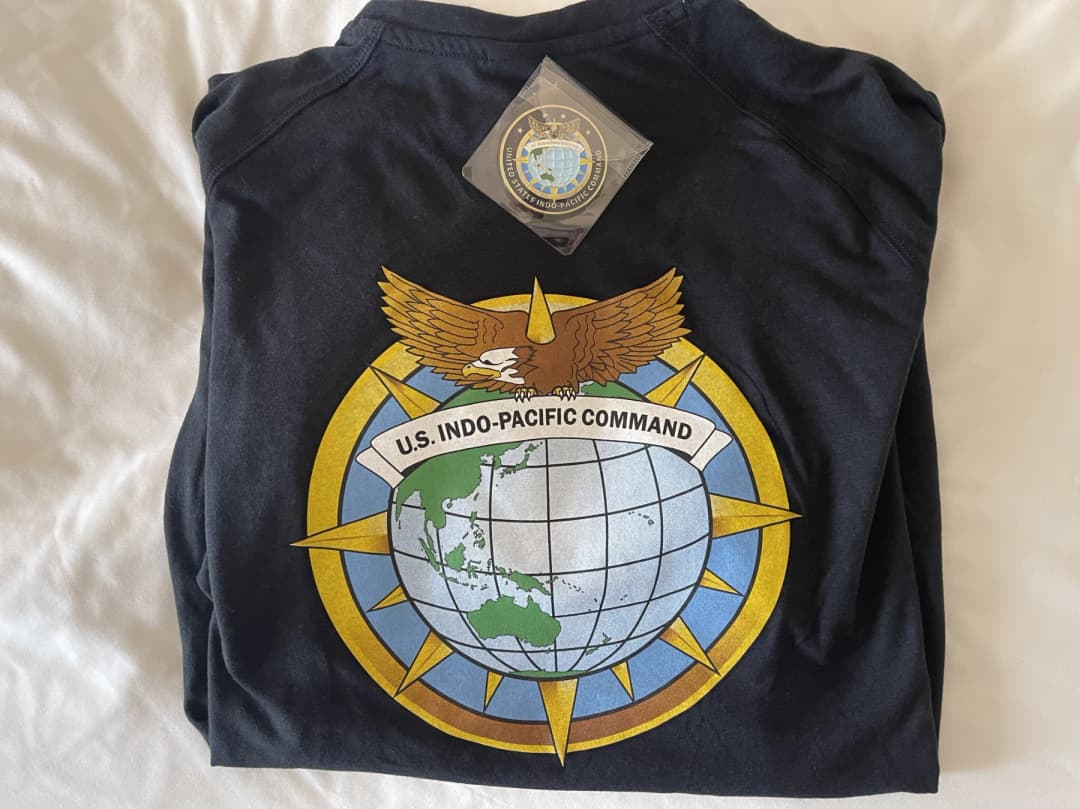
During our trip, I managed to pick up some great swag that will serve as lasting memories of our time in Hawaii. At the USINDOPACOM Headquarters Booster Club, I grabbed a shirt and an official coin—perfect keepsakes that represent the experience of being part of such an important event.
One evening, we also visited the Navy Exchange (NEX), where we found some cool trinkets and more coins to add to our collection. It was Annabel's first time at a branch exchange, and she was absolutely amazed at the prices. We both wished we had one near us back home—it would be a great spot for picking up quality items at a good value! The NEX visit was a fun little shopping adventure, and it added some nice mementos to our haul from the trip.
Oahu, Hawaii Tourism
This trip to Hawaii on the island of Oahu was particularly meaningful because I had the chance to share it with my daughter, Annabel. I've visited the island many times, but this time was different—it was extra special. Not only did we get to explore the island's incredible sights together, but we also celebrated her birthday during the week, making it a truly unforgettable experience. It was one last hoorah before she started school the following week, and we made the most of every moment.
We traveled all over the island, soaking in everything Oahu has to offer. Our adventure began at the Dole Plantation, where we took the train tour through the pineapple fields and discovered that pineapples grow close to the ground—not on trees as we had both imagined. From there, we made our way to the North Shore, visiting the charming Haleʻiwa Town and watching the waves crash at Sunset Beach. The natural beauty of Waimea Valley was another highlight, especially the serene walk to the waterfall, where we took in the lush surroundings.
No trip to Oahu would be complete without a hike up Diamond Head. We made it to the top, where the views of the island were nothing short of breathtaking. We also took the opportunity to explore Diamond Head Beach, capturing some beautiful photos along the way. Our journey continued with a visit to Pearl Harbor, where we reflected on history and paid our respects.
We stayed at the Sheraton Princess Kaiulani in Waikiki, right in the heart of the action. Waikiki's vibrant strip and beach became our regular spots, offering everything from sunset strolls to local eats. The botanical gardens on the island were another favorite of ours—especially the breathtaking beauty of Hoʻomaluhia Botanical Garden and the peaceful walk through Liliʻuokalani Botanical Garden, where we managed to capture some stunning long-exposure shots of the waterfalls.
This trip was a blend of adventure, history, and natural beauty, all made even more special by the fact that I got to share it with Annabel. Every location we visited added a unique layer to our experience, making this journey one that we will both remember for years to come.
Dole Plantation
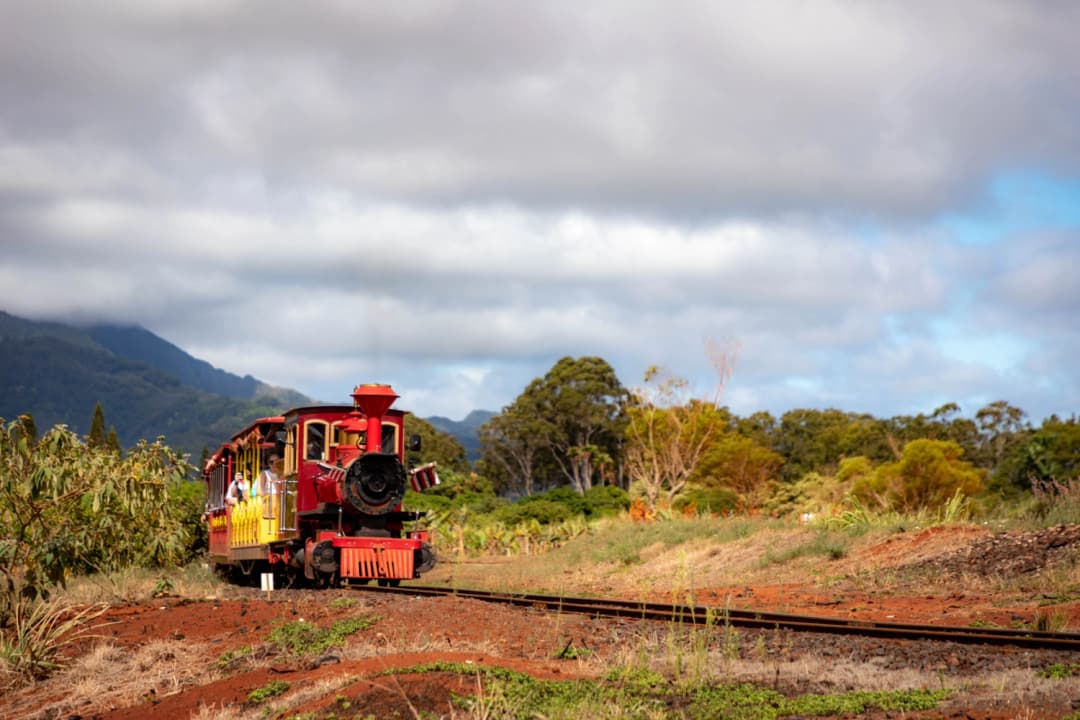
Our adventure around Oahu started with a visit to the iconic Dole Plantation. Annabel and I were excited to explore this place, which blends history, agriculture, and a bit of fun. As soon as we arrived, we were greeted by the vibrant atmosphere that's characteristic of this spot, with its lush greenery and the unmistakable aroma of fresh pineapples in the air.
Our first experience was the Pineapple Express Train Tour, a relaxing and informative ride that took us through the plantation fields. As the train chugged along, we passed rows of pineapple plants, their spiky leaves stretching toward the sky. We were surprised to learn that pineapples actually grow close to the ground and not on trees, which was a fun discovery for both of us. But it wasn't just pineapples—there were also banana trees, cacao plants, and other tropical fruits and flora. The guide provided insights into the plantation's history and the cultivation process, making the experience both educational and enjoyable. Annabel and I took in the sights, snapping photos along the way to capture the beauty of the fields and the rich colors of the fruits.
After the train tour, we decided to stretch our legs in the plantation's botanical garden. The garden was a peaceful oasis, filled with a diverse array of plants native to Hawaii. We meandered through the pathways, admiring the vibrant flowers and unique plant species, each one more fascinating than the last. The garden wasn't just a feast for the eyes; it also provided a deeper connection to the natural beauty of Hawaii, reminding us of the rich biodiversity that thrives on the islands.
While we skipped the famous pineapple maze, we did make sure to visit the plantation's main building. Inside, the sweet scent of pineapples was irresistible, and we couldn't leave without indulging in some fresh pineapple slices. Annabel also picked out a plush animal as a memento of our visit, a small keepsake that now serves as a reminder of our time at the plantation.
The North Shore
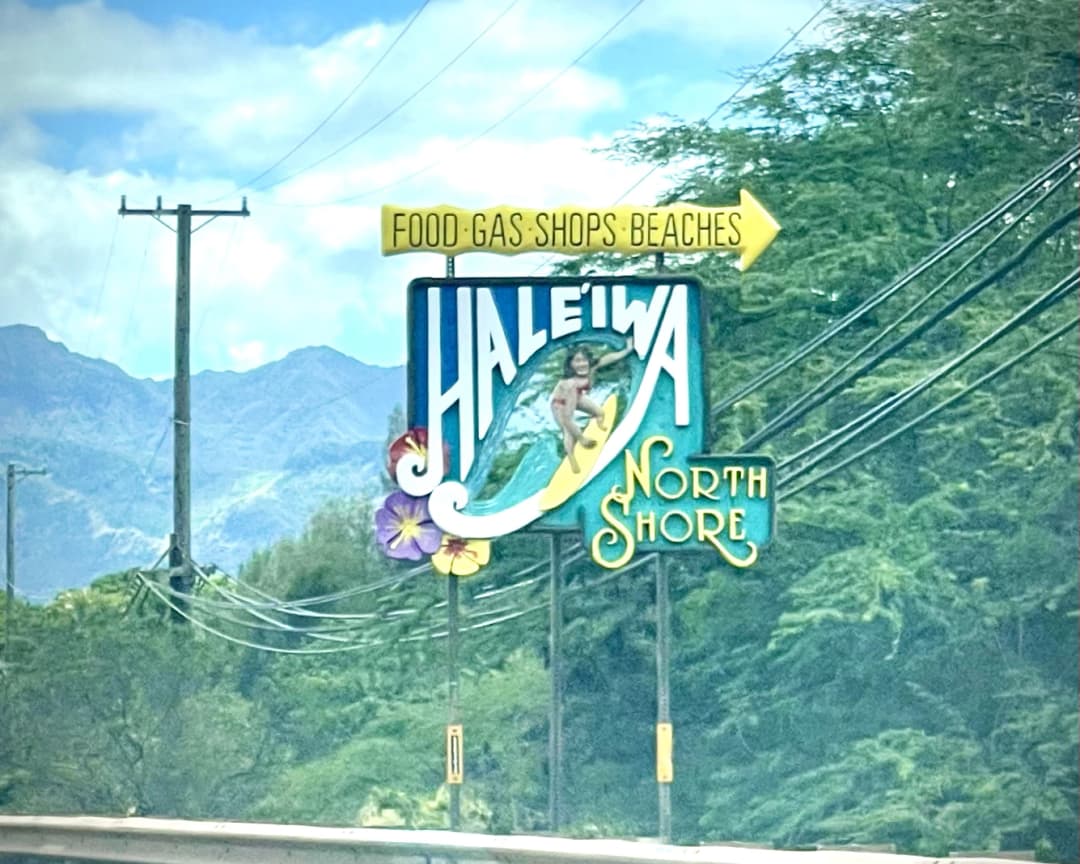
After our visit to the Dole Plantation, Annabel and I continued our journey to Oahu's North Shore, a stark contrast to the bustling, tourist-filled streets of Waikiki and the urban environment of Honolulu. The North Shore is known for its laid-back vibe, lush landscapes, and world-famous surf spots. The roads wind through dense greenery, with glimpses of the ocean peeking through, offering a peaceful escape from the more crowded areas of the island.
Our first stop was the historic town of Haleʻiwa, a charming spot that feels like a step back in time. The town is filled with old wooden buildings, colorful storefronts, and a relaxed atmosphere that invites you to slow down and take it all in. We wandered through the streets, exploring the local shops and soaking up the unique character of the town. For lunch, we found a cozy spot where we enjoyed some local favorites. It was the perfect place to refuel and enjoy a slower pace of life.
After lunch, we continued our drive along the North Shore, stopping at several beaches along the way. The beaches here are something special—vast stretches of sand, often less crowded than Waikiki, with powerful waves that attract surfers from around the world. One of our favorite stops was Sunset Beach, where we took in the breathtaking views and captured some memorable photos. The energy here is different, more relaxed, and connected to nature, a refreshing change from the lively but often crowded Waikiki Beach.
Although we mostly drove through the area, the North Shore left a lasting impression on both of us. The combination of stunning beaches, vibrant yet laid-back towns, and the natural beauty of the surroundings made it a highlight of our trip. It was a chance to see a different side of Oahu, one that feels a bit more off the beaten path, yet just as captivating.
Waimea Valley
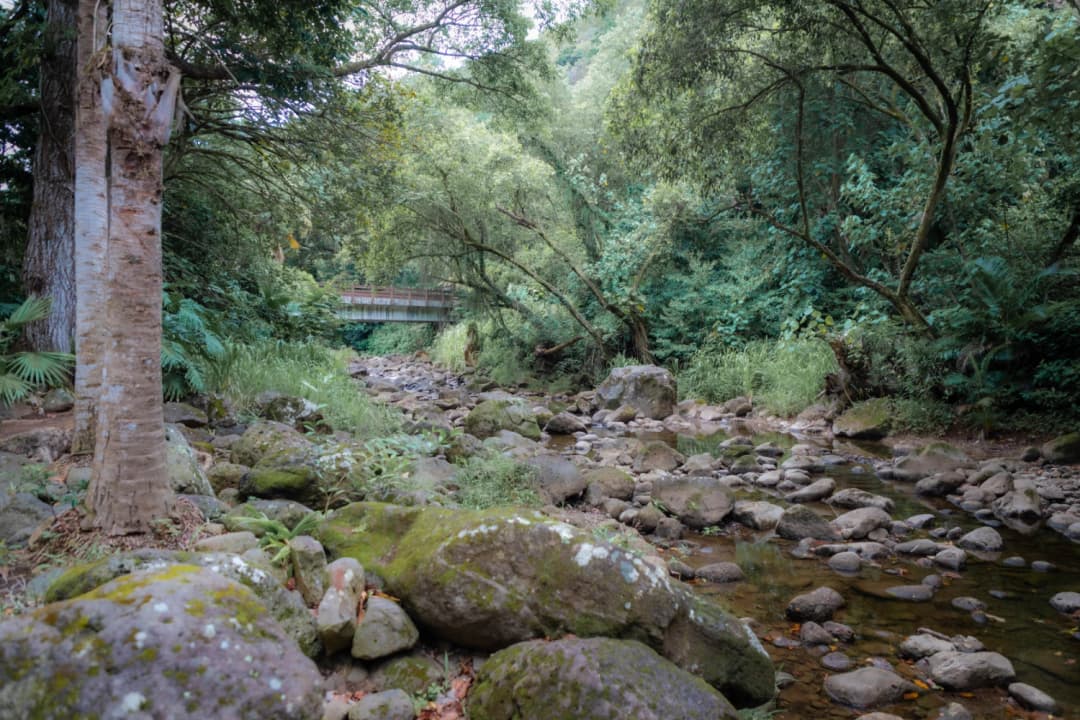
Waimea Valley is one of those places on Oahu that holds a special kind of magic, steeped in both natural beauty and rich cultural history. This lush valley, once home to Hawaiian royalty, has been preserved as a cultural and botanical garden, making it a must-see for anyone visiting the North Shore. The valley is not just a scenic hike; it's a journey through Hawaiian history and the incredible biodiversity of the island.
I had visited Waimea Valley once before and was so taken by its beauty that I knew I had to bring Annabel here. The first time I visited, it was during a particularly dry period, and the iconic waterfall at the end of the trail wasn't flowing. I had lugged all my heavy photography gear, including my old, cumbersome tripod, up the trail, hoping to capture some long exposure shots of the falls. But with no water cascading down, those plans were quickly dashed.
This time, I decided to bring a lighter tripod, but I left it behind, unsure if the falls would be flowing and not wanting to hike with all that equipment again. As fate would have it, the falls were flowing beautifully this time—full and vibrant, a perfect scene for the kind of shots I had missed out on before. I kicked myself for not bringing the tripod but had to laugh at the irony.
Despite the missed photo opportunity, the hike through Waimea Valley was as breathtaking as I remembered. The path winds through a lush, tropical landscape, surrounded by towering trees, vibrant flowers, and the sounds of birds and flowing water. Annabel and I took our time, enjoying the peaceful surroundings and stopping frequently to take in the sights. We passed by ancient Hawaiian sites, adding a sense of history to the natural splendor.
When we finally reached the waterfall, we were greeted by the sight of the falls cascading into a serene pond at the base. The water looked so inviting, and we both wished we had thought to bring our bathing suits. Swimming in the pond beneath the falls would have been the perfect way to cool off after the hike. Even without a swim, though, the experience was incredible—just being there, surrounded by the natural beauty of the valley, was enough.
Waimea Valley is a place that captures the essence of Oahu's natural and cultural heritage. It's not just a hike; it's a walk through the island's past, a connection to the land and its history. I'm glad I could share it with Annabel this time, even if I didn't get the perfect photo. The memories we made there were more than enough.
Pearl Harbor
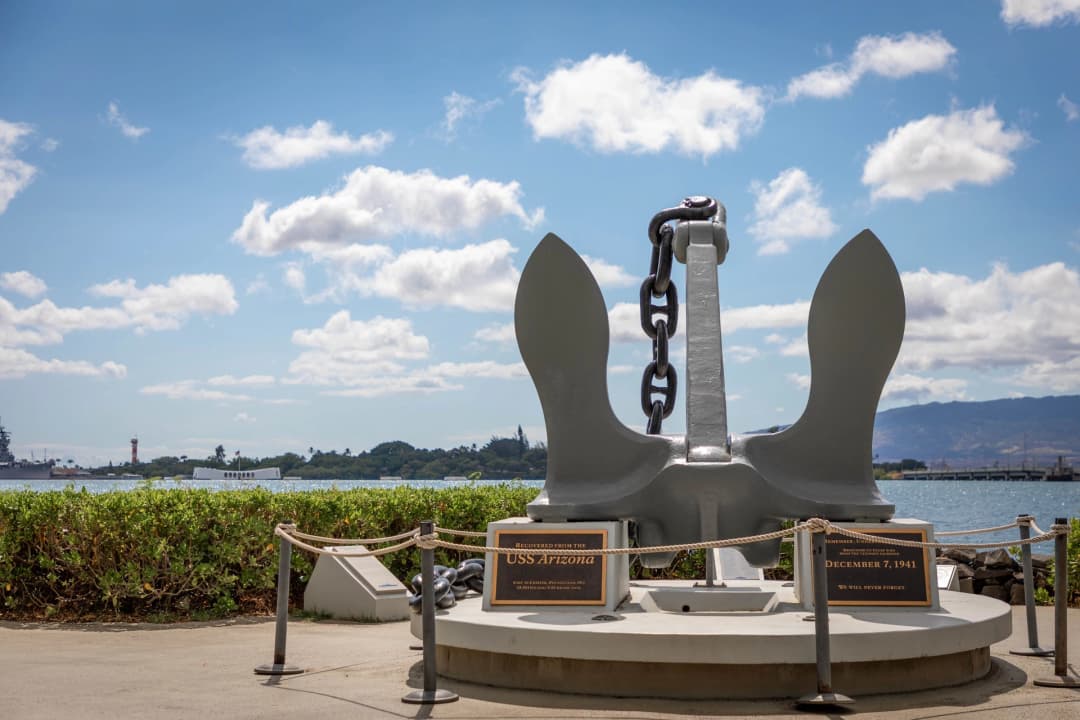
Visiting the Pearl Harbor National Memorial was a solemn and poignant experience for both Annabel and me. As we walked through the free exhibits, we were immediately struck by the weight of the history surrounding us. The memorial stands as a tribute to the lives lost on that fateful day in 1941, and it's impossible not to feel a deep sense of respect and reflection as you take in the stories and artifacts on display.
Annabel and I have spent a lot of time exploring historical sites in the Philadelphia area, where history feels ever-present in the streets and buildings. From Independence Hall to the Liberty Bell, we've visited places that have shaped the nation's story. Pearl Harbor offered a different but equally powerful connection to history, one that brought to life the events she had read about in school.
Even though we didn't visit the paid museums, the exhibits we did see were incredibly informative. They provided a comprehensive look at the events leading up to the attack, the impact on those who lived through it, and the broader implications for the United States and the world. We spent time at the various memorials, reflecting on the bravery and sacrifice of those who were there on that day.
Before we left, we stopped by the memorial store, where I picked up a coin and a patch—small mementos to remember the visit.
Diamond Head (Lē'ahi)
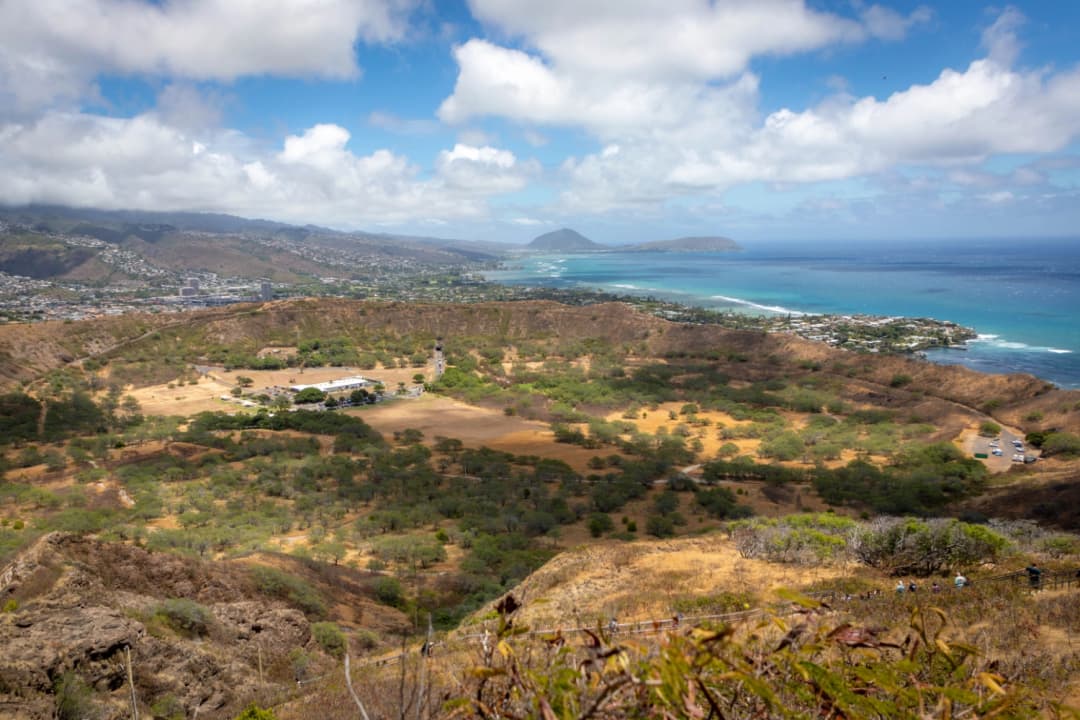
Hiking Diamond Head, or Lēʻahi as it's known in Hawaiian, was one of the highlights of our trip. This iconic volcanic crater is one of the most recognizable landmarks on Oahu, with its rugged profile visible from much of Waikiki. The hike is a journey through both natural beauty and history, as the trail takes you from the crater floor up to the summit, offering spectacular views along the way.
Starting at the base, the trail begins as a fully paved path, making for an easy start. However, it quickly transitions to a more rugged surface covered with concrete, which help stabilize the terrain but still provide a sense of adventure as you navigate the steep incline. The path winds through a mix of these slabs, steep staircases, and even a dark tunnel. The climb was challenging at times, but each step brought us closer to the stunning views we knew awaited us at the top.
When we finally reached the summit, we were greeted by a powerful gust of wind, a reminder of how high we had climbed. The panoramic view from the top was absolutely breathtaking—miles of coastline stretched out before us, with the deep blue of the Pacific Ocean meeting the horizon. From this vantage point, you can see all of Waikiki, Honolulu, and beyond. The effort to reach the top was well worth it, and Annabel and I took a moment to soak in the view and catch our breath.
Unfortunately, on the way down, Annabel started to feel a bit unwell. She developed a headache, likely from the exertion and the heat, so we took our time descending. We made sure to stay hydrated and took breaks when needed, ensuring that she was comfortable. The trail, while easier going down, still requires attention, especially when you're not feeling your best.
At the end of the hike, we stopped by the visitor center, where we picked up a patch and a silver spoon to commemorate our adventure. Despite the minor setback, the hike up Diamond Head was a memorable experience, filled with incredible views and the sense of accomplishment that comes from reaching the summit of such a storied place.
Waikiki
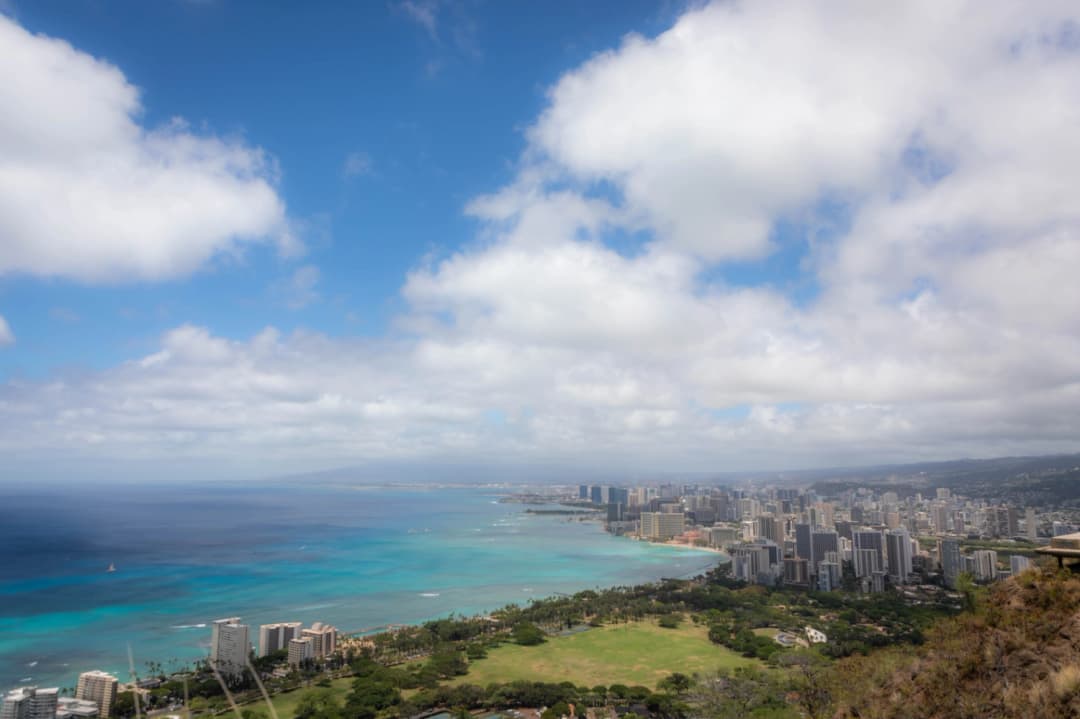
Waikiki, with its iconic beaches and vibrant energy, served as our home base during our stay on Oahu. We stayed at the Sheraton Princess Kaiulani, right in the heart of Waikiki, which made it easy to immerse ourselves in everything this famous area has to offer. Waikiki is renowned for its long stretch of sandy beach, lined with hotels, restaurants, and shops, making it one of the most popular tourist destinations in Hawaii.
When we first arrived, the Pokémon World Championships were just wrapping up, adding an unexpected and colorful twist to our introduction to Waikiki. We saw some interesting folks in cosplay outfits, bringing a lively and fun atmosphere to an already bustling area. It was clear from the start that Waikiki was a hub of activity, with tourists from all over the world mingling and exploring.
The bustling strip was always alive with people strolling along, browsing the shops, or just soaking in the atmosphere. We spent our days walking this lively area, enjoying the sights, and then retreating to the beach to relax. The beach itself was a highlight, with its soft sand and gentle waves. The water was crystal clear, allowing us to see straight to the bottom, and it was wonderfully warm. We could walk out a considerable distance and still only be waist or chest deep, making it perfect for a leisurely swim.
One thing that caught our attention was the sheer number of ABC Stores in Waikiki. It felt like there was one on every block—much like how there seems to be a Dunkin' Donuts on every corner in Boston. These stores are a staple in Hawaii, offering everything from snacks and drinks to souvenirs and sunscreen. They became our go-to spots for picking up quick essentials, and it was almost amusing how often we found ourselves popping into one, no matter where we were on the strip.
One of the more exciting moments of our stay was witnessing a tandem surfing competition. This type of surfing has a rich history, dating back to the early 20th century when Hawaiian surfers would showcase their skills by performing acrobatic maneuvers on the waves. In tandem surfing, a pair—typically a man and a woman—ride the same surfboard. The man often lifts the woman onto his shoulders or into other impressive poses while navigating the waves. It was incredible to watch the grace and strength of the surfers as they balanced and moved together in perfect harmony. The event added a unique and memorable element to our Waikiki experience.
Waikiki's mix of natural beauty, lively entertainment, and constant activity made it the perfect place to stay during our visit. Whether we were exploring the bustling strip, marveling at the endless ABC Stores, or relaxing on the beach, there was always something to enjoy. The combination of history, culture, and stunning scenery made our time in Waikiki truly unforgettable.
Diamond Head Beach Park
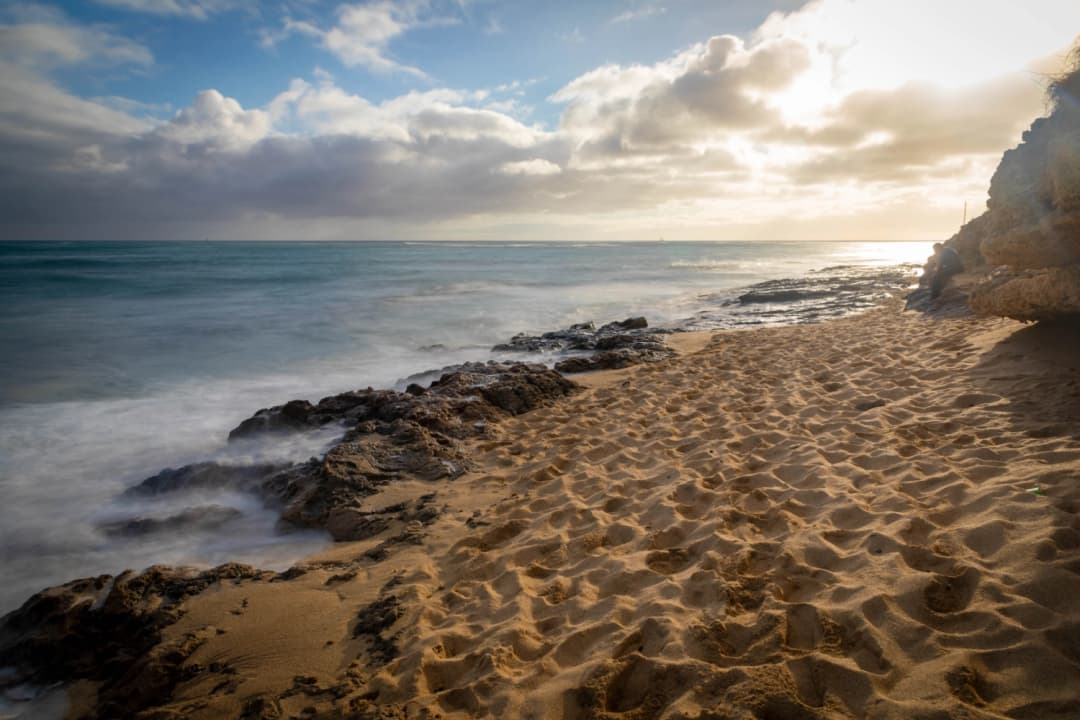
Diamond Head Beach Park, located just beneath the iconic Diamond Head Crater, is a hidden gem that offers a quieter, more secluded experience compared to the bustling beaches of Waikiki. Known for its dramatic cliffs, rugged shoreline, and powerful waves, it's a favorite spot for surfers and those looking to escape the crowds. The beach itself is accessible via a steep path that winds down from the main road, offering a bit of an adventure just to reach the sand.
Annabel and I decided to visit Diamond Head Beach Park specifically to capture some photos together, something we usually do at the New Jersey beaches this time of year. The secluded nature of the beach made it the perfect spot for this. As we walked down the steep path, we were treated to stunning views of the coastline, with the Diamond Head Lighthouse visible in the distance, adding to the scenic beauty of the area.
Once we reached the beach, we found it nearly deserted, which gave us plenty of space to set up and take our photos. The waves crashing against the shore, the sun beginning to dip toward the horizon—it all created a perfect backdrop for the kind of long exposure shots I love to capture. As the sun set, I took several photos, capturing the soft light and the movement of the water in a way that felt almost magical.
It was a peaceful and memorable evening, a chance to create lasting memories with Annabel in a place that felt a world away from the more crowded parts of Oahu. Diamond Head Beach Park offered us a serene and beautiful setting, making it a special part of our visit.
Hoʻomaluhia Botanical Garden
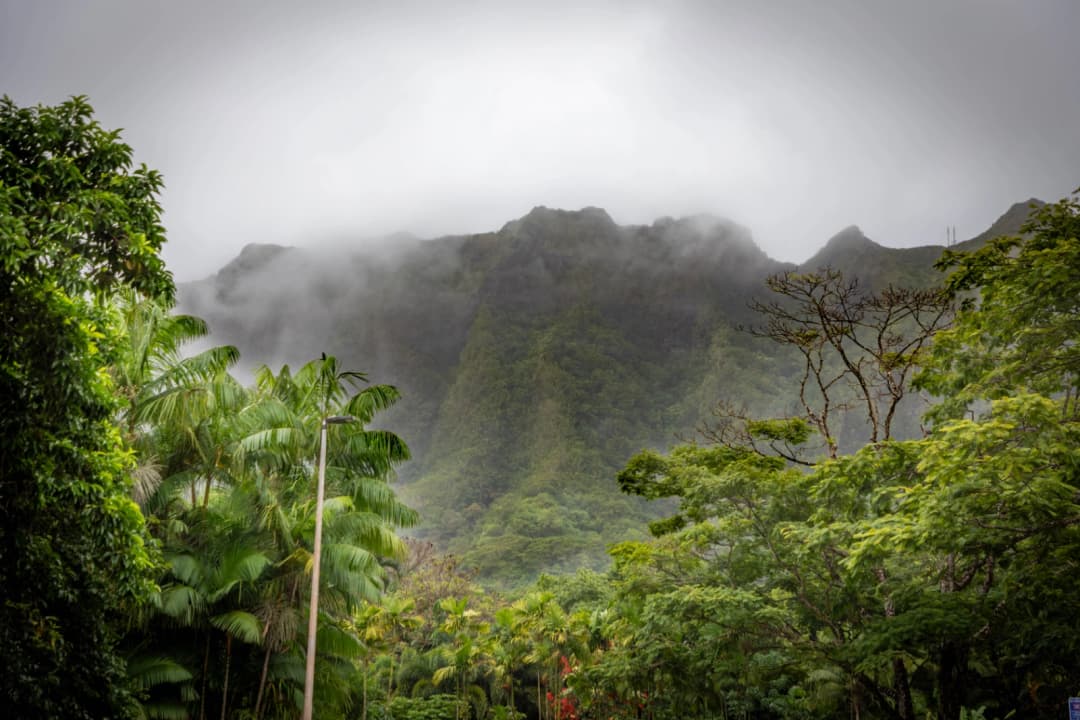
Hoʻomaluhia Botanical Garden was a revelation for both Annabel and me—a place so stunning that I couldn't believe I had never visited it on any of my previous trips to Oahu. Nestled in the lush foothills of the Koʻolau Mountain Range, this 400-acre garden is a paradise of tropical plants, serene lakes, and towering mountains. It feels like stepping into another world, a tranquil escape from the hustle and bustle of everyday life.
As we drove through the garden, we were immediately struck by the sheer beauty of the landscape. The road winds through dense greenery, offering glimpses of the majestic mountains that loom above. Every turn revealed something new—palm trees swaying gently in the breeze, vibrant flowers adding splashes of color, and the sound of birds calling from the treetops. It felt like being transported into an episode of Lost, surrounded by the raw, untamed beauty of nature.
We eventually parked and followed a path that led us down to a tranquil lake, one of the garden's many highlights. The scene was nothing short of breathtaking—crystal-clear water reflecting the towering peaks of the Koʻolau Range, with orange fish swimming lazily near the shore. The peacefulness of the spot was palpable, and we took our time walking around the lake, soaking in the stunning views from every angle.
The garden is home to an incredible variety of plants, from towering bamboo groves to exotic flowers that bloom in brilliant colors. The contrast between the lush vegetation and the rugged mountains created a landscape that was both serene and awe-inspiring. It was a place where you could easily lose yourself in the beauty of the surroundings, with every step offering a new perspective on the natural world.
Hoʻomaluhia Botanical Garden left a lasting impression on both of us, and I can't recommend it highly enough. It was one of the true highlights of our trip, a place where the beauty of Oahu shines in all its glory. If you ever find yourself on the island, this is a spot you simply cannot miss.
Liliʻuokalani Botanical Garden
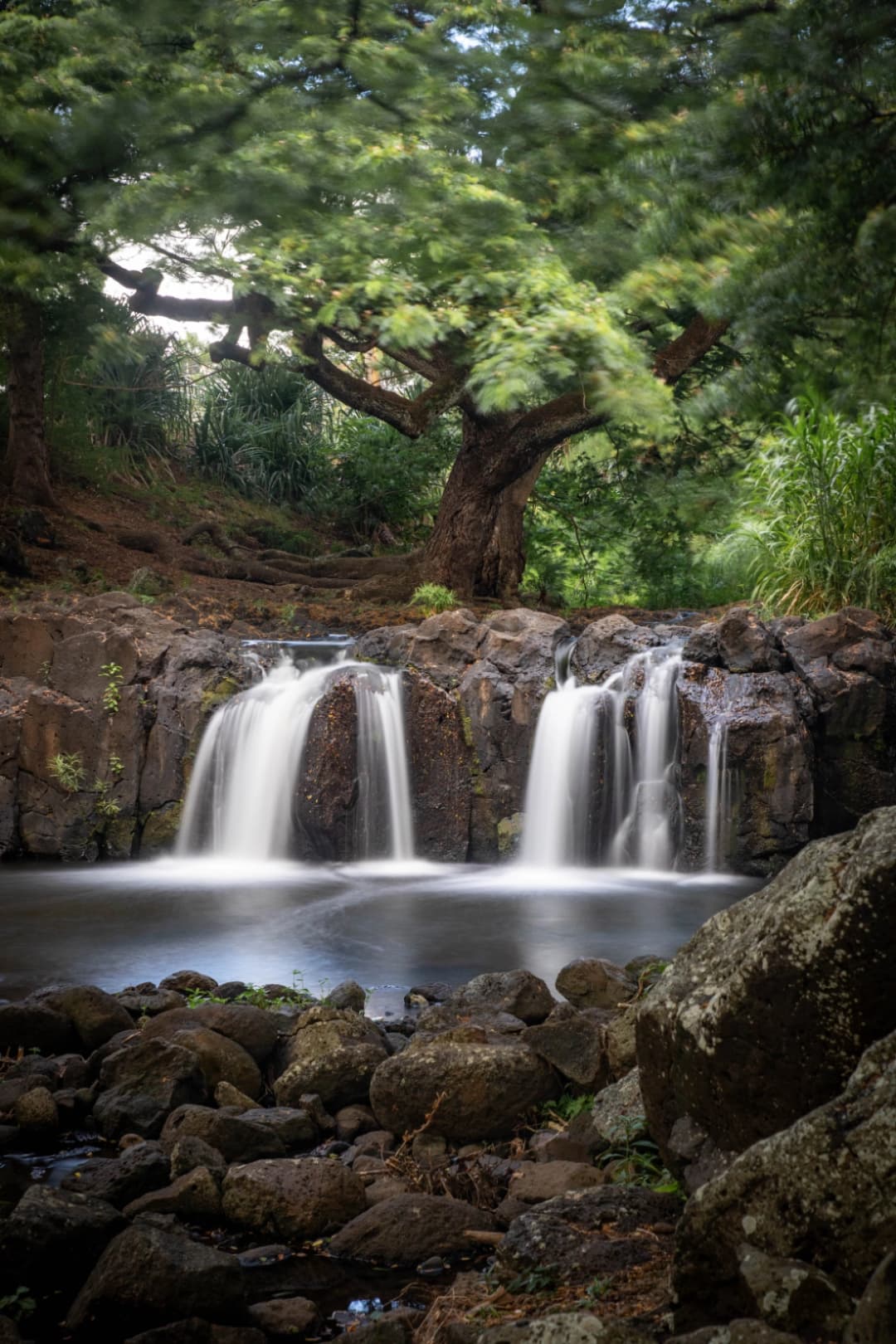
Liliʻuokalani Botanical Garden, tucked away in Honolulu, felt more like a small park than a traditional botanical garden, but it still offered a peaceful respite from the city's hustle. The garden is dedicated to Queen Liliʻuokalani, the last reigning monarch of Hawaii, and serves as a quiet tribute to her legacy. While it's not as expansive or diverse as some of the other gardens on the island, it's a pleasant place for a short stroll, especially if you're looking for a quick escape from the urban environment.
The highlight of this garden is undoubtedly the waterfalls at the end of the path. The falls are small but picturesque, with the water cascading over rocks into a serene pool below. I was eager to capture some long exposure shots of the falls, which would blur the water into a smooth, flowing motion. However, I realized after arriving that I had left some of my photography gear in the car, so I had to make a quick trip back to retrieve it. Thankfully, the garden is small enough that it didn't take long, and I was able to set up and get the shots I wanted.
The short stroll through the garden was a nice way to wrap up our visit to Oahu, but I wouldn't necessarily recommend it if you have other spots on your list. There are certainly more impressive gardens and scenic locations on the island that are worth prioritizing. For us, this was a convenient last stop before heading to the airport, offering a brief moment of tranquility before our journey home. If you're in Honolulu with a bit of extra time, it's a pleasant place to visit, but it's not a must-see compared to some of the other incredible places Oahu has to offer.
Food
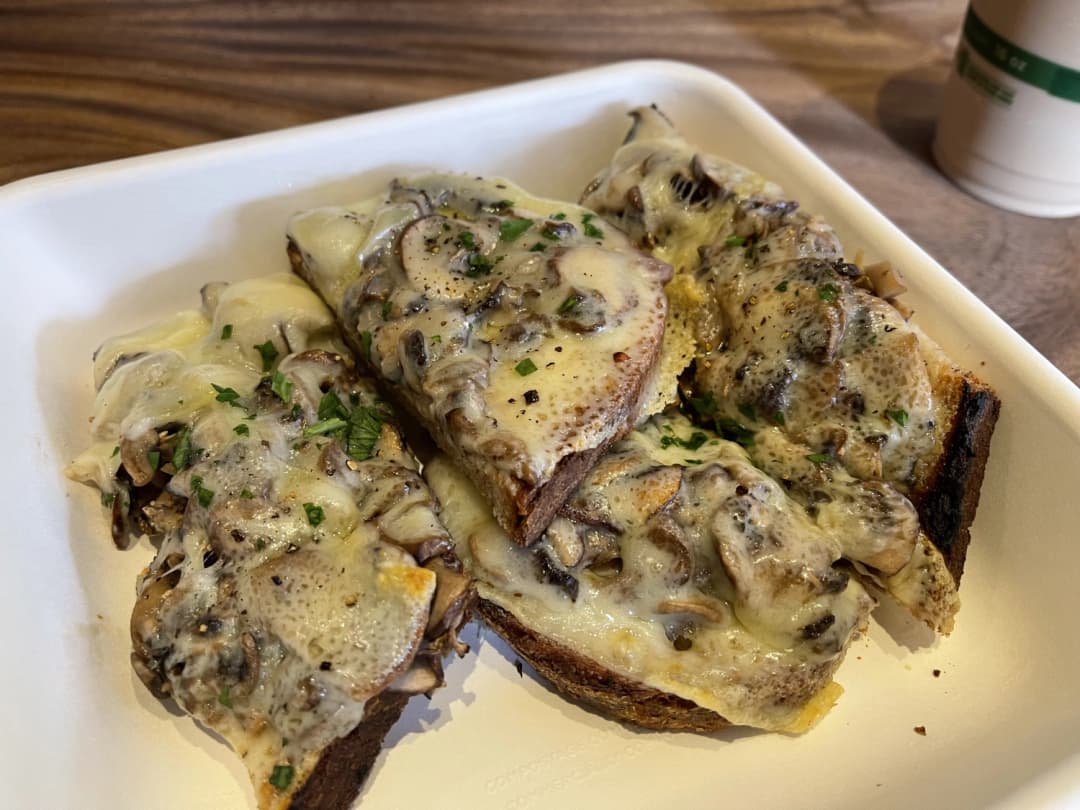
After a long plane ride with a layover, the first thing on our minds was finding some good food. Our first stop in Hawaii was a place called Mexico Restaurant, where we grabbed some burritos. They were a little pricey, but after such a long journey, they really hit the spot. However, I have to say they didn't quite measure up to the Mexican food I've enjoyed in San Diego. Still, they were a decent start to our culinary adventures on the island.
During our trip to the North Shore, we stopped for lunch at Haleʻiwa Joe's Seafood Grill. I opted for the mahi-mahi tacos, while Annabel chose the salmon. Her plate looked fantastic, but unfortunately, the fish was very undercooked. It was a bit of a letdown, especially given how beautiful everything else about the place was.
One of the standout dining experiences was at Aoki Teppanyaki, a hibachi restaurant near the Hilton Hawaiian Village. We were there with work colleagues and their families to celebrate Annabel's birthday, and it turned out to be a memorable night. The food was top-notch—perfectly cooked stir-fried rice, filet, shrimp, and vegetables. But what made it truly special was the showmanship. Our hibachi chef kept us engaged and laughing throughout the meal, and they even sang happy birthday to Annabel in both English and Japanese. It was a wonderful experience that we won't soon forget.
Throughout the week, we frequently visited the Ala Moana Center's incredible food court. We live near one of the biggest malls in America, the King of Prussia Mall, but I'll tell you, it has nothing on the Ala Moana food court. The wide selection of good food made it easy to stay within budget, and Annabel loved going to the mall—though we saved on food, we didn't save on her clothes shopping! We tried a fried chicken place called Jollibee, which was similar to KFC and pretty great. I also enjoyed some brisket from LA Brisket, and I introduced Annabel to Cinnabon, which quickly became her new favorite place. Cinnabon used to be everywhere when I was growing up, but now they seem to be in only a few spots. Other places we tried at the food court included Señor Pepe's and a place called Mr. Cow, which my daughter informed me was a TikTok sensation with an interesting take on a corn dog.
The Ala Moana Center was also where the JDN Interoperability Working Group had their social at a place called Mai Tai's. Unfortunately, the venue was 21 and over after 4 PM, so Annabel and I headed over to Buffalo Wild Wings instead. I'm a bit of a wing snob, so it's not my favorite place, but it'll do in a pinch.
We also took in a hula dancing show at the Ala Moana Center one night, which was a nice cultural experience to mix in with all the shopping and eating. Off the Waikiki strip, we found a few spots for breakfast and coffee. I'm a little ashamed to admit that I now have over 400 Starbucks stars, and Annabel has her eye on a Starbucks cup as a reward.
One evening, we had dinner at Giovanni Pastrami, which offered a mix of things that Annabel was craving. It turned out to be a pretty decent meal, with enough variety to satisfy both of us.
One more thing I should mention—despite my best efforts, I couldn't convince Annabel to try the Loco Moco, a classic Hawaiian dish consisting of white rice topped with a hamburger patty, a fried egg, and brown gravy. It's a local favorite, but she wasn't quite ready to give it a go. Maybe one day I'll get her to try it!
Overall, our food experiences in Hawaii were a blend of local flavors, familiar favorites, and a few new discoveries. Whether it was enjoying a birthday hibachi dinner, grabbing a quick bite at the food court, or sipping coffee on the Waikiki strip, each meal added to the memories we made on this trip.
Conclusion
As the USINDOPACOM Joint Data Network Interoperability Working Group wrapped up, I was left thinking about how integral shared understanding is—whether among nations, teams, or even families navigating a trip together. Throughout the week, we worked on building that shared understanding, system by system, conversation by conversation. It's the same process, whether we're discussing interoperability across coalition partners or simply trying to communicate what's important in our daily lives.
Hawaii provided the perfect backdrop for these lessons—both in the working group and during the personal time I spent with my daughter. Exploring Oahu, visiting historical sites, and finding moments of peace in nature reminded me that, no matter how advanced our systems or complex our missions, it's the human connections and shared experiences that make all the difference.
As I reflect on this trip, I can't help but think about how we can all work towards creating our own shared understanding, in whatever context we find ourselves. Whether it's at work, at home, or out in the world, we're always building connections, piece by piece, with every interaction. The journey may not always be simple, but it's the foundation of everything we achieve together.
See the associated LinkedIn post.
Comments
To leave feedback or questions, simply login using your preferred social network. I will read and answer your comments promptly, but please keep in mind that they will be public.